
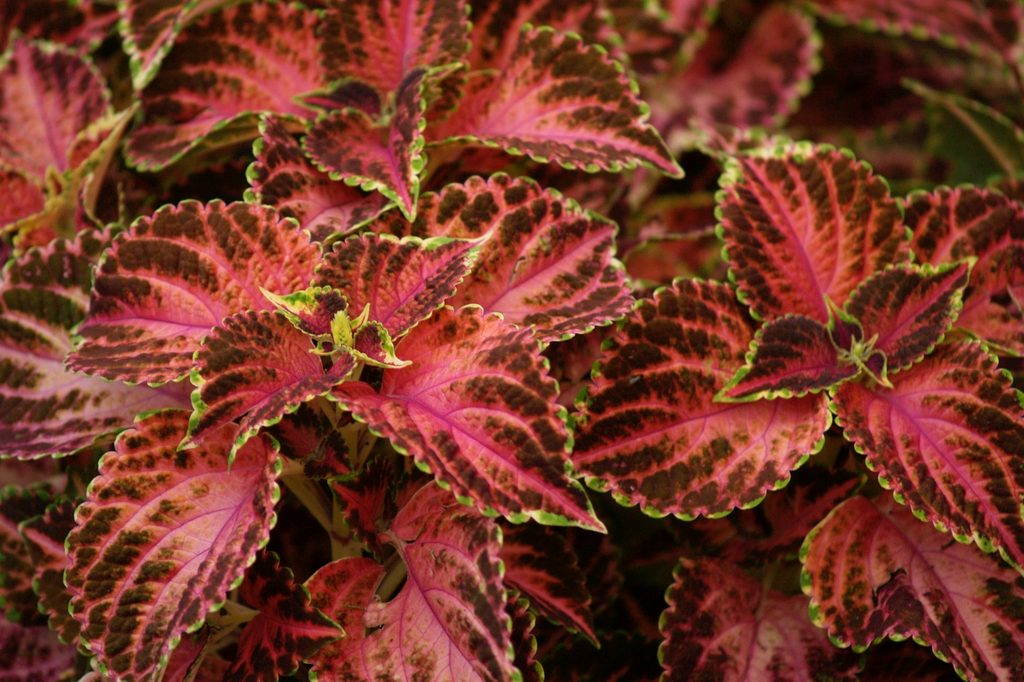
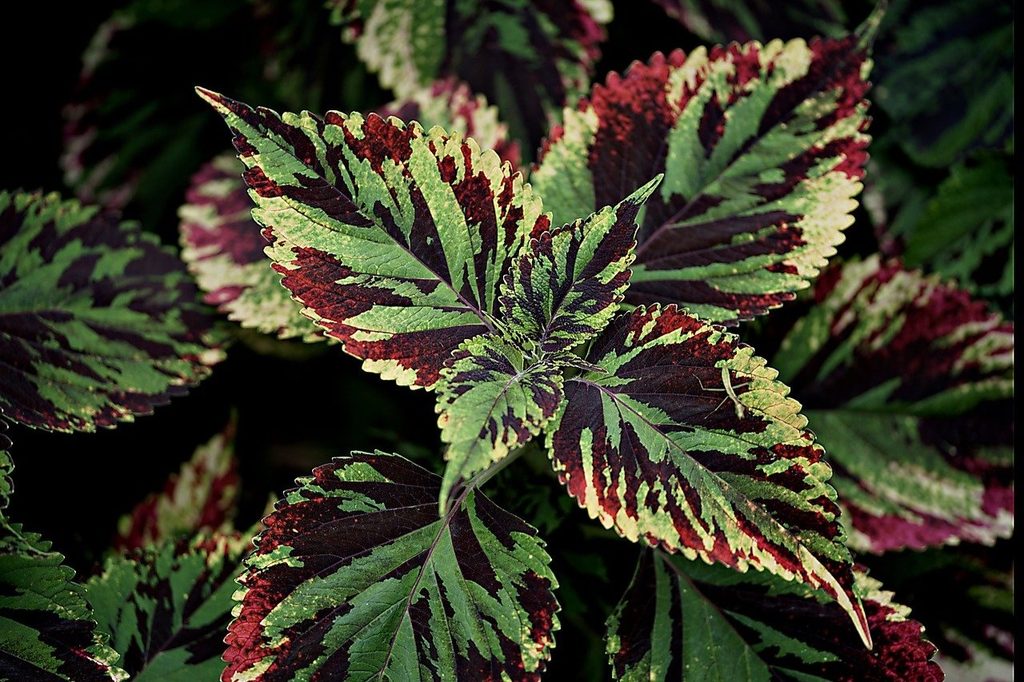
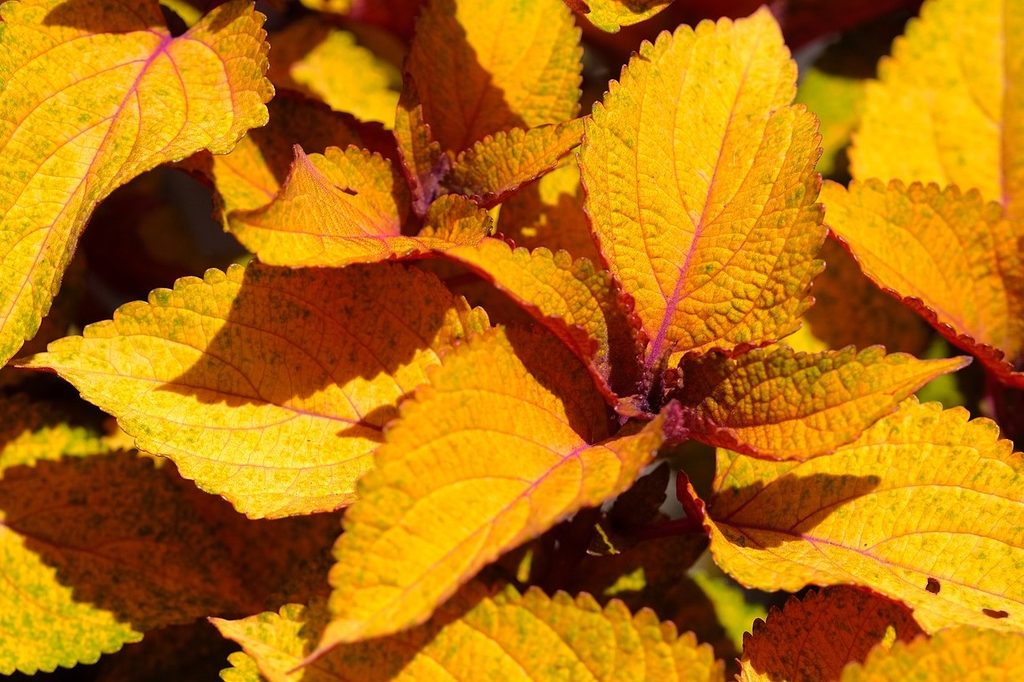
When you think of plants to add color to your home or garden, your first thought might be flowers. Did you know that there are plenty of colorful foliage plants as well? Coleus is one such plant, with leaves that come in a variety of striking colors and patterns. From bright red or pink to dark purple, and even some multicolored varieties. If coleus sounds like an ideal plant to you, then this guide to coleus plant care will help you start growing your own.
Planting coleus
Whether your coleus is an indoor or an outdoor plant, make sure to plant it in rich, well-draining soil. For potted coleus plants, choose a container that has adequate drainage holes to avoid waterlogged soil. You can start indoor coleus plants any time, but for the outdoors, wait until the weather is warm. Coleus are tropical plants, and they are sensitive to cold weather and frost.
Most coleus varieties prefer partial or full shade, but there are varieties for sunny gardens as well. Shade varieties are recommended for indoor plants, but if you have a window that gets plenty of sunlight, then any coleus can grow indoors. Just take note of the type of coleus you have when planting or placing it.
Indoor coleus plant care
Coleus plant care is simple, and they make wonderful office plants. Avoid placing your coleus in bright, direct light. Unless you have specifically selected a full-sun coleus, direct light is typically too intense and can burn their leaves. Since coleus are smaller plants, some gardeners choose to move them to different locations during different times of day. Morning sun and afternoon shade are ideal.
Water your coleus plant regularly, so the soil is moist but not soggy. Coleus plants are not drought tolerant, and they will droop or wilt if they don’t have enough water. Try to water them below their leaves, so the leaves don’t get wet. They can develop fungal infections from wet foliage. Additionally, keep your coleus away from drafts and air vents, which can dry the soil out faster and make your plant cold.
Outdoor coleus plant care
Outdoor coleus plant care is similar to indoor care, with only a few exceptions. Unless your coleus is in an outdoor pot, you won’t be able to move it as easily, so be sure to plant it in the correct spot. Water your coleus below the leaves whenever possible, but keep a close eye out for signs of fungal infection. Outdoor plants have a higher risk, since fungal spores could be carried by the wind or live in the soil, and the plants will have wet leaves occasionally due to rain.
One major difference between coleus plant care indoors and outdoors is whether coleus is grown as an annual or perennial. Coleus is a tender perennial, meaning it will return year after year in warm or hot regions, but is easily damaged or killed by cold weather. Outdoor coleus plants are typically grown as annuals for this reason.
Common pests and problems
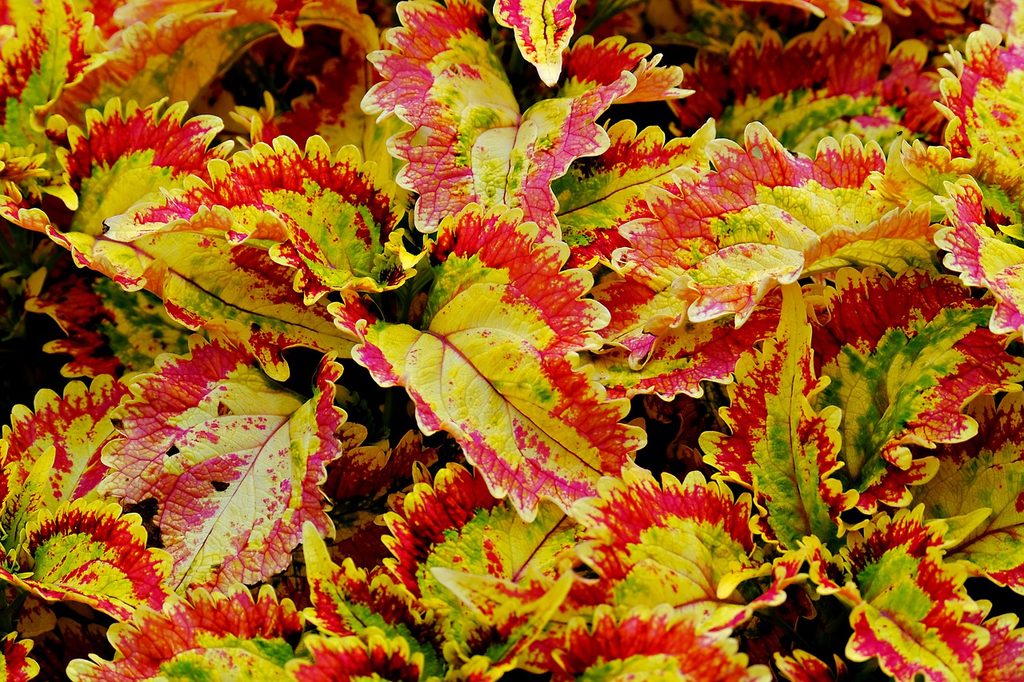
Coleus plants don’t have many common issues, but there are a few to look out for. Thankfully, most can be mitigated with proper coleus plant care. We’ve already mentioned fungal infections, but it bears repeating. Damp soil, shade, and warm temperatures are ideal conditions for coleus, but also for most fungi. Damp foliage can develop mildew, and waterlogged soil leads to root or stem rot. Planting your coleus in well-draining soil and watering it below the leaves when possible will help prevent these problems.
Coleus plants can also become the targets of small pests like aphids, mites, mealy bugs, and whiteflies. The damage from these pests is typically not serious, but severe infestations can weaken your plant and leave it vulnerable to other pests and diseases. You can use neem oil or insecticidal soap to keep the pests at bay, or you can try attracting ladybugs to your garden, as they are natural predators of these smaller pests.
Coleus companion plants

Most other shade or partial shade plants will happily grow alongside coleus, as long as they don’t mind the damp soil. Begonias, lobelias, impatiens, calibrachoas, petunias, geraniums, and fuschia can all be planted with your coleus. They can even be planted together in containers, provided the container is large enough. If you want more foliage, consider adding ferns, hostas, and coral bells. If you plan on growing coleus as an annual, it’s wise to pair it with other annuals or tender perennials. Replanting your garden will be easier if you aren’t trying to work around the perennials that are still in place.
Coleus plants are colorful and easy to grow, so it’s no wonder that so many gardeners want to add them to their collections. Whether you’re looking for a small potted coleus to sit on your desk at work or a cluster of different coleus plants to brighten up a shady outdoor garden, hopefully, this guide has prepared you. Coleus plant care isn’t difficult, and the plants are lovely enough that they’re definitely worth the small amount of effort they take to grow!