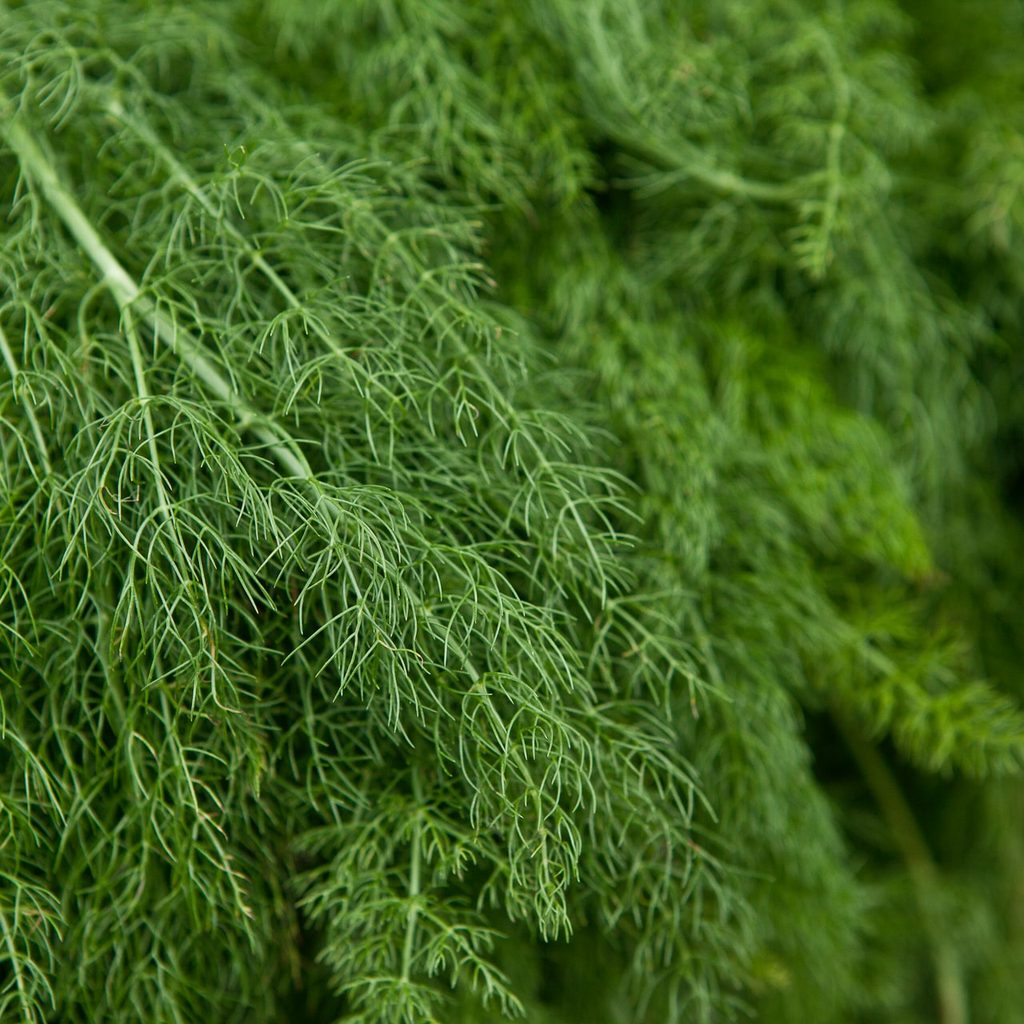
Dill is a fast-growing annual that makes for a flavorful addition to food as well as a beneficial plant alongside other crops. While it goes to seed quickly, it’s a cold-tolerant herb that grows easily for a delicious garnish all year long. Dill features a sharp anise and citrus flavor, making it a great addition to pastas, salads, soups, and other savory dishes. And yes, it pairs perfectly with your preserved pickles!
Out in your landscape, dill makes for a wonderful fixture in gardens because it naturally attracts beneficial pollinators, such as bees. This tasty herb also repels unwanted pests such as spider mites, aphids, and, notably, cabbage pests, because it attracts predatory insects like ladybugs. Both these qualities make it great for companion planting, which is the concept that some plants can pair together to help encourage growth, repel pests, and attract pollinators. Ahead, we’ve rounded up six of the best dill companion plants so you can plan your garden accordingly.
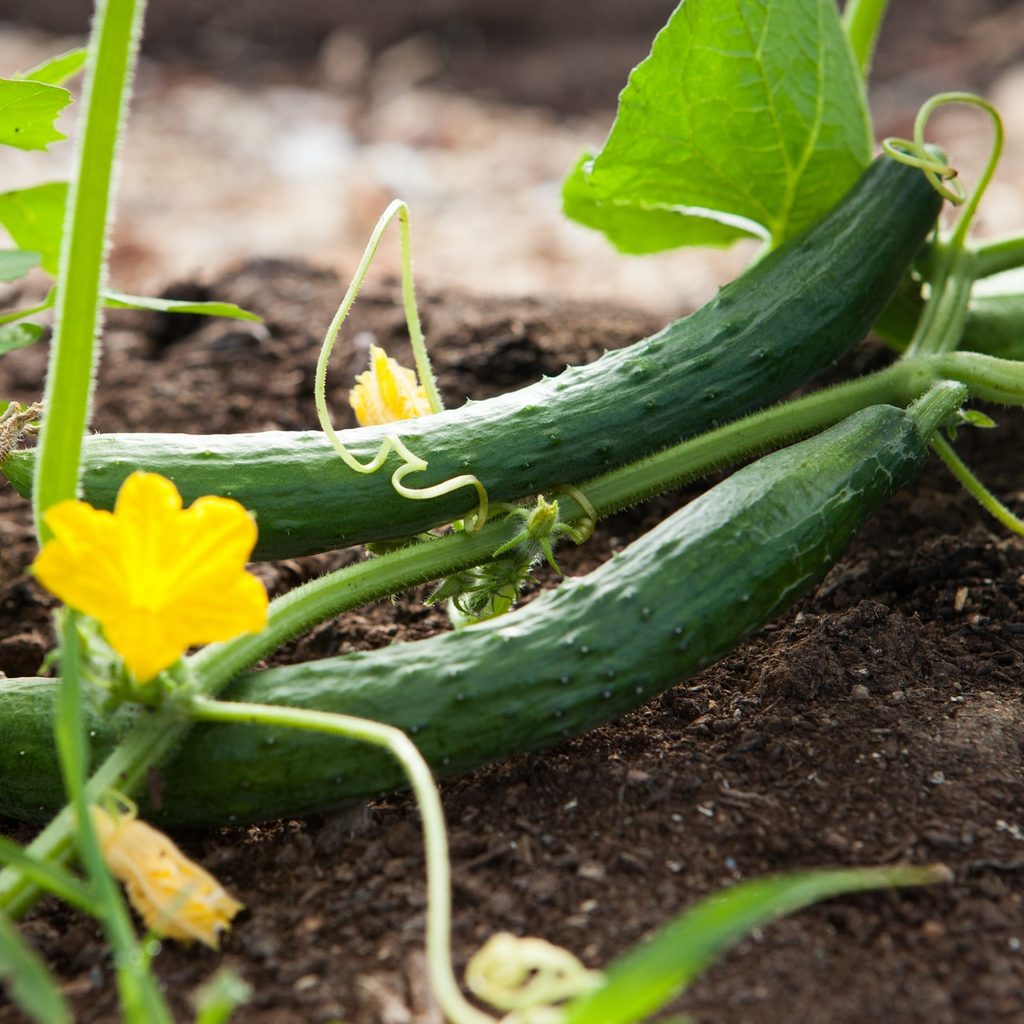
Best companion plants to grow with dill
Dill pairs well with a range of different plants in the garden, especially edible plants that go hand-in-hand with it in dishes.
Cabbage
Of all the plants that you can grow alongside dill, cabbage is one of the best. Dill helps with detracting cabbage worms and loopers so that your cabbage foliage remains intact. In general, dill is great for other brassica plants like cabbage. Brussel sprouts, broccoli, and collards will definitely reap pest control benefits with dill next to them. Dill is also said to help cabbage grow. Cabbage itself, however, may not necessarily help dill all that much, although it can provide support under windy circumstances.
Asparagus
Dill can attract lacewings and ladybugs that eliminate pesky aphids that prey on asparagus plants. This versatile herb will also help asparagus by repelling spider mites, which feed on plant sap and tissue. Additionally, it attracts birds that spread asparagus seeds and eat pests. In return, asparagus will give dill some much-appreciated shade, which is especially helpful in the warm growing season months.
Basil
Dill is also happy to reside next to other herbs, including basil. Not only can you combine them in your favorite savory dishes, but you can also keep dill and basil together in the same grow pot. Both plants enjoy moist soil, cool temperatures, and moderate fertilizing. When you grow these two together, you won’t need to worry about conflicting needs ruining your harvest. Other herbs that can do well with dill include chives, lemon balm, and lemon thyme.
Cucumbers
Dill can help cucumbers out by attracting predatory insects that get rid of pests. In particular, this herb attracts wasps, which will prey on those annoying cucumber beetles. Instead of resorting to chemical pesticides, try planting dill next to your cucumbers in your organic garden. When it comes to food, dill and cucumbers obviously go together: Dill is infamously pickle seasoning!
Onions
In the garden, dill and other herbs can help reduce Japanese beetles and aphids feasting on onions. Dill is said to enhance onion flavor as well. Onion, in turn, can repel pests that munch on dill while attracting pollinators.
Lettuce
You can often add dill to your salad, but did you know that it’s also great in the garden next to lettuce? Dill can help repel pests that gravitate toward lettuce, such as aphids. Keep in mind that dill may not reap as many benefits from lettuce, but they obviously complement each other in the kitchen.
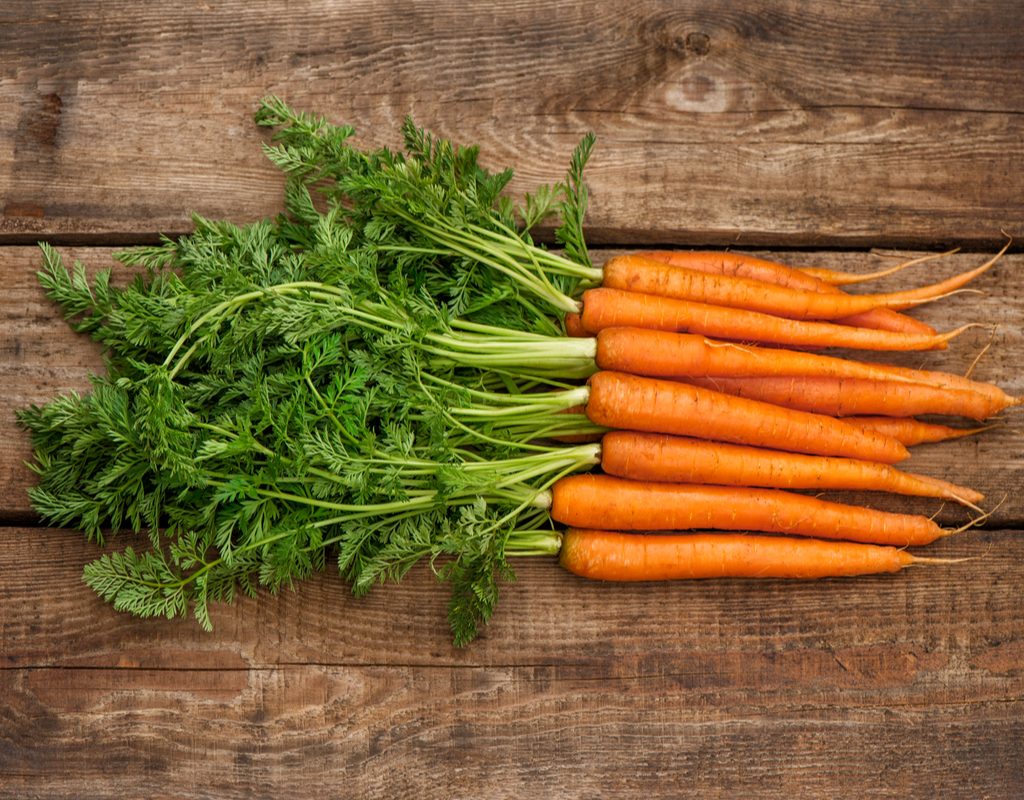
Plants not to grow with dill
Because of its pest-repellent properties, dill is a versatile plant in the garden. However, there are plants you shouldn’t grow next to dill, as it may stunt growth in some plants or even cross-pollinate with them. Ahead, we’ve taken note of some plants that don’t necessarily mix well with dill in the garden.
- Tomatoes: Dill may initially help tomatoes grow, but as this herb matures, it can impede tomato growth.
- Carrots: Dill may stunt carrot growth, but that’s not the only problem to keep on your radar. Dill and carrots are also incompatible because they’re closely related and may cross-pollinate.
- Peppers: Dill doesn’t do well with nightshades, which include peppers and eggplants. In short, it can hinder growth in these plants.
A natural pest deterrent and pollinator magnet, dill can be an incredible plot partner with other plants in the garden. Although it goes to seed quickly, it can be grown repeatedly throughout the year. If you’ve got a garden with plenty of cabbage and herbs, it’s the perfect plant to keep around.