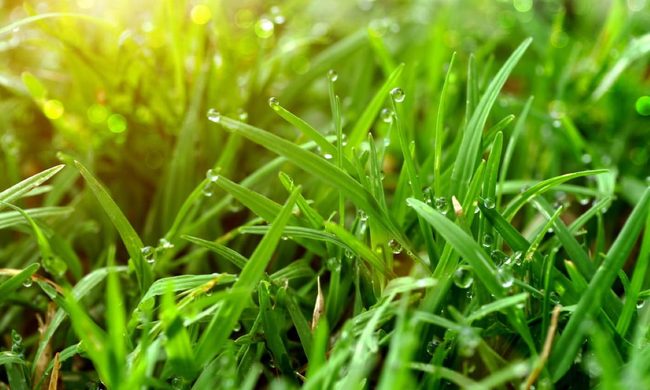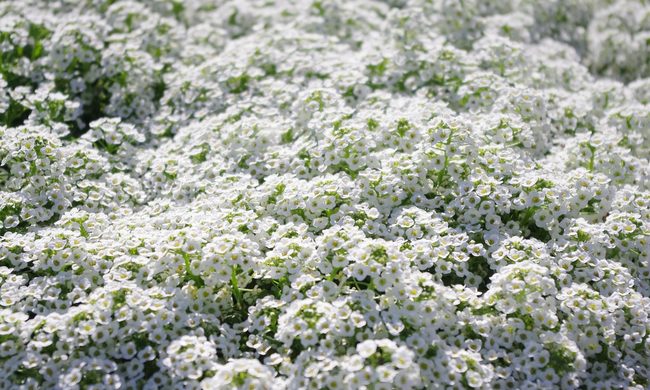
Whether you’re a seasoned or novice gardener, there’s a good chance that you’ve heard about using vinegar as a weed killer. Since many gardeners are interested in using natural alternatives to harsh commercial herbicides, vinegar has become a go-to for removing pesky weeds. But does vinegar kill weeds effectively? Is it really the miracle weed killer that DIY enthusiasts make it out to be? Vinegar can, in fact, help with weed management, but it has both pros and cons as a natural herbicide. Here’s what you need to know about using vinegar in the garden.
What makes vinegar an effective weed killer?
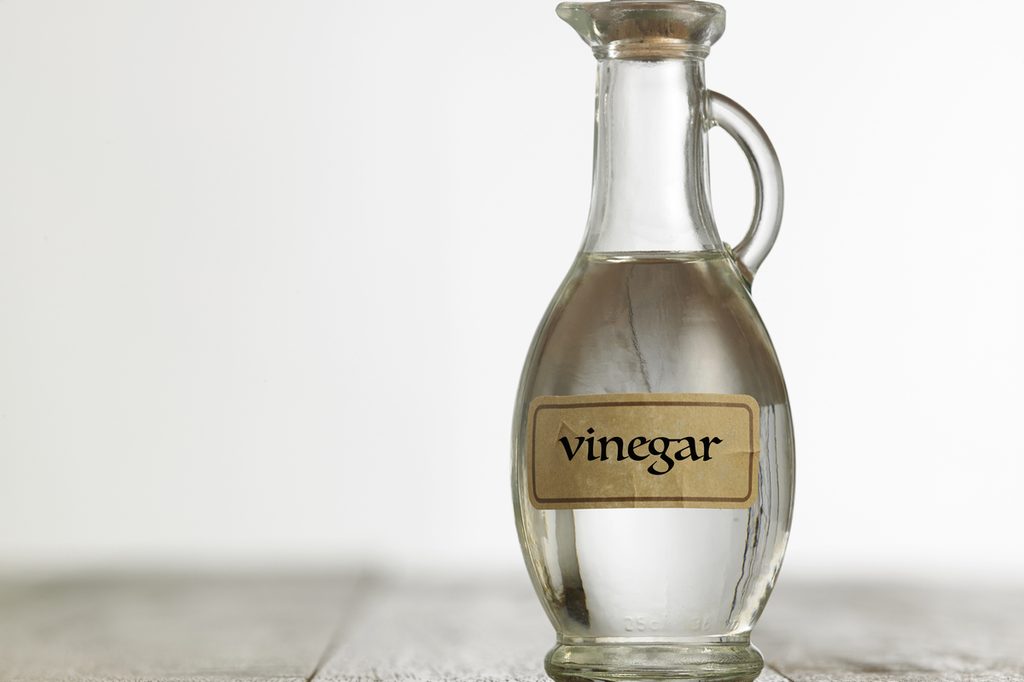
Vinegar is essentially a solution of acetic acid with water — the vinegar that you buy at the grocery store is typically 5% acetic acid and 95% water. Acetic acid kills plants by damaging their cells. Upon contact with acetic acid, cell walls break down, which leaks plant fluid and dries out plants. You want to be careful about applying vinegar to your landscape, since it will likely kill any plant tissue upon contact, including foliage that you’re actively growing.
How do you create a DIY vinegar weed killer?
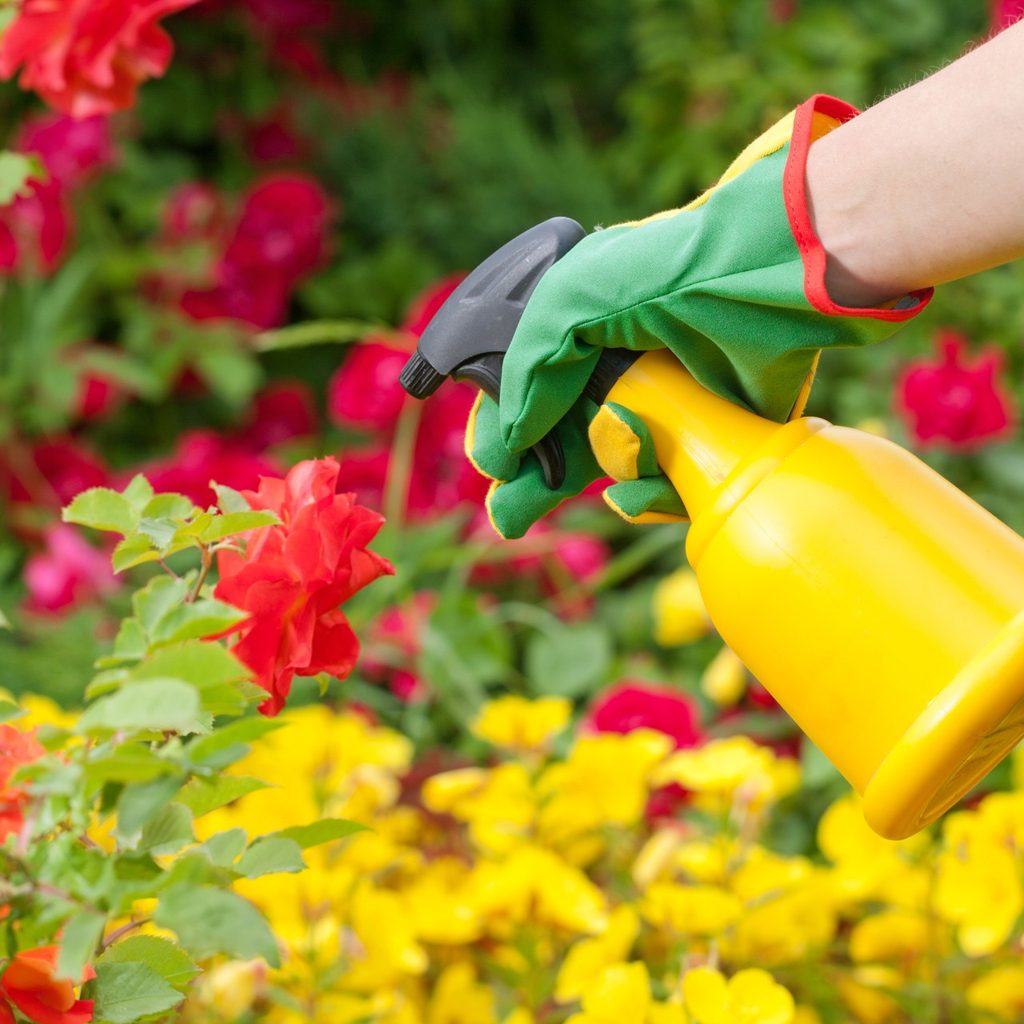
A DIY vinegar weed killer consists of vinegar, dish soap, and salt. The proportions are usually 1 gallon of vinegar, 1 tablespoon of soap, and 1 cup of salt. Soap helps the vinegar adhere to the weeds and eliminates their protective coating. Salt is entirely optional, but it can help dehydrate weeds even more when used in tandem with vinegar.
You can add this solution to a sprayer to apply directly onto your weeds. If you’re worried about accidentally killing other plants, you can take the abundantly cautious route and use a brush or a dropper to apply this DIY weed killer. However you apply this mixture, you want to do so when the weather is nice and warm, as rain can wash away the solution. It usually takes about one or two days for the weeds to die.
What are some disadvantages of using vinegar as a weed killer?
Besides inadvertently harming your growing plants, you might also rethink using vinegar as a weed killer for the following reasons:
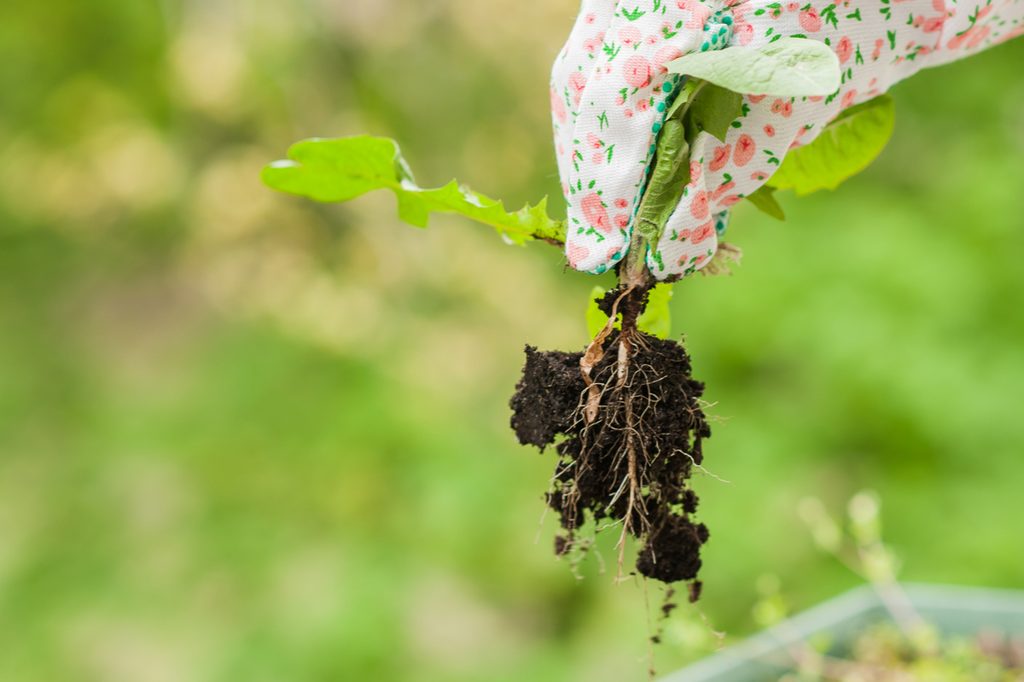
- Its effectiveness is limited. Since household vinegar contains very little acetic acid, it is usually most effective on small, young, or annual weeds without deep roots. Even then, you may need to apply vinegar several times before you can get rid of your weeds. If you want to try stronger vinegar, you can research horticultural vinegar, which is usually sold at big-box stores like The Home Depot. Effective on some perennials, horticultural vinegar contains around 20% acetic acid and typically comes in a ready-to-use sprayer.
- It may harm helpful pollinators. While it may help with pests, vinegar may also hurt pollinators like bees. Be mindful of where you use it.
- It will alter your soil pH if you overuse it. Overly acidic soil may lead to nutrient deficiencies.
While it’s an approach with a few potential drawbacks, using vinegar as a weed killer is worth a shot if you carefully apply it to small weeds. Use it sparingly and in conjunction with manual weed removal, and you might just find that its versatility goes beyond kitchen recipes and DIY cleaning hacks.