Soil is made up of minerals, water, air, and organic matter. The minerals come from local bedrock that was weathered by wind, precipitation, freeze-thaw cycles, and pioneer species including lichen that can grow directly on bare stone. These forces slowly degrade the rock to a point where increasingly large and complex organisms are able to find a home. Generations of bacteria, fungi, plants, insects, and other tiny creatures gradually decompose, contributing organic compost until eventually a recognizable soil has become established.
The depth of the soil and the amount of organic matter it contains contribute to its ability, or lack thereof, to hold moisture. Young soils have relatively coarse mineral content, often a gravelly or sandy texture, and minimal organic matter. They dry out quickly after rain. Deep soils with lots of organic matter hold more water than shallower soils with less organic matter.
Environmental and geographic factors also cause dry soil. Climate patterns affect how much moisture will be available. Sun exposure, slope of the land, the direction of the slope, and soil compaction contribute to dry soil conditions, as well.
How to identify dry garden plants
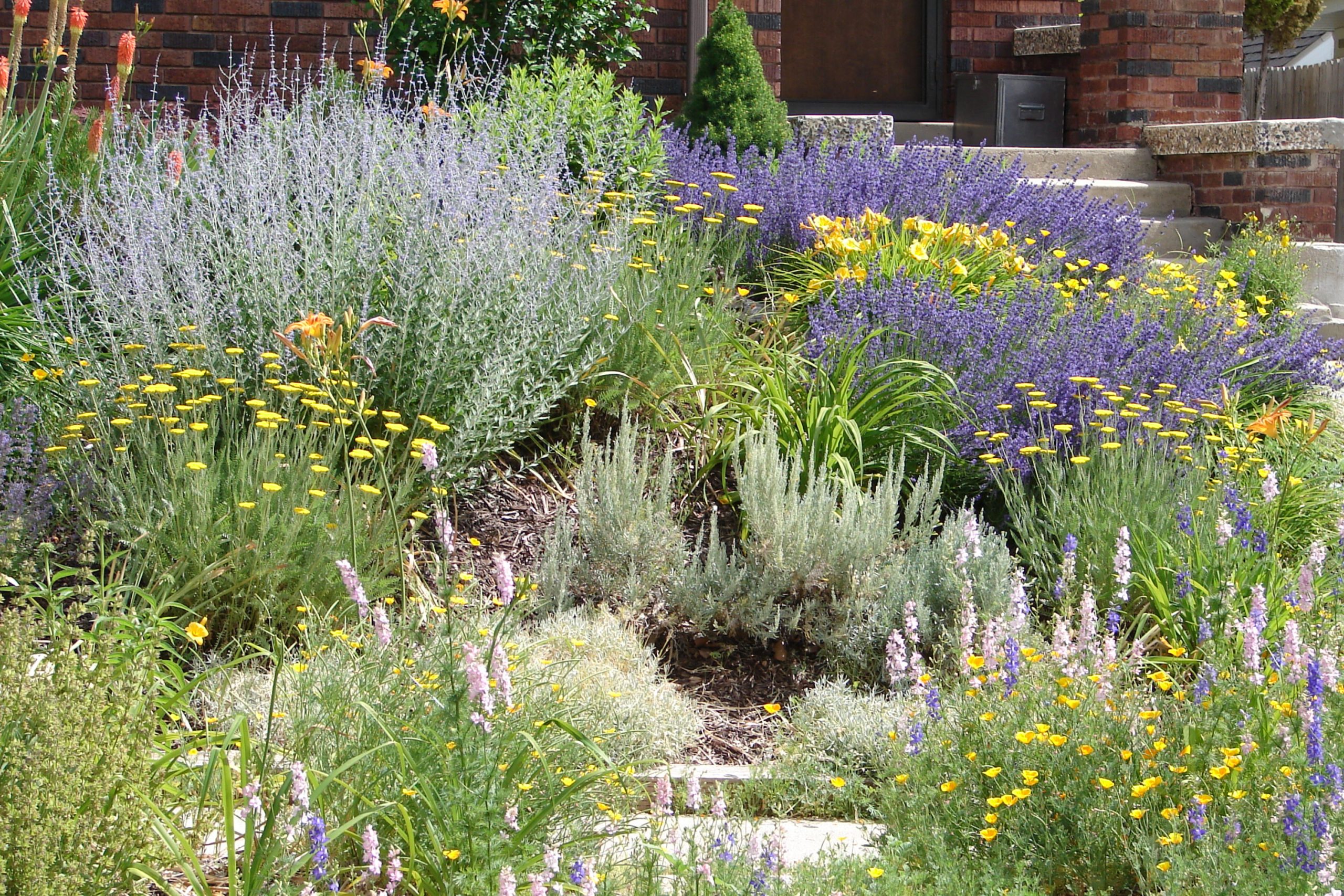
The good news is that it is possible to garden in dry soil. Rather than relying on constant irrigation to keep plants alive, start with plants that thrive with less water. Dry garden plants have adapted naturally to survive in arid landscapes. Although they may need a bit of moisture to get started, once established they will thrive with minimal watering.
Some plants thrive in dry soil. A few of the visible characteristics of dry garden plants include thick fleshy leaves, very narrow leaves, waxy leaves, and spiny or hairy leaves. Succulent plants hold more water in their tissues, up to 95 percent vs. 75 percent in typical plants. Narrow leaves, like pine needles, thin compound leaflets like those on vetch, and cactus spines minimize leaf exposure to transpiration.
7 plants for dry areas
These plants not only thrive in dry areas, they will beautify your landscape with flowers, fragrance, and possibly add pollinator habitat, as well.
Plants for dry, sunny areas
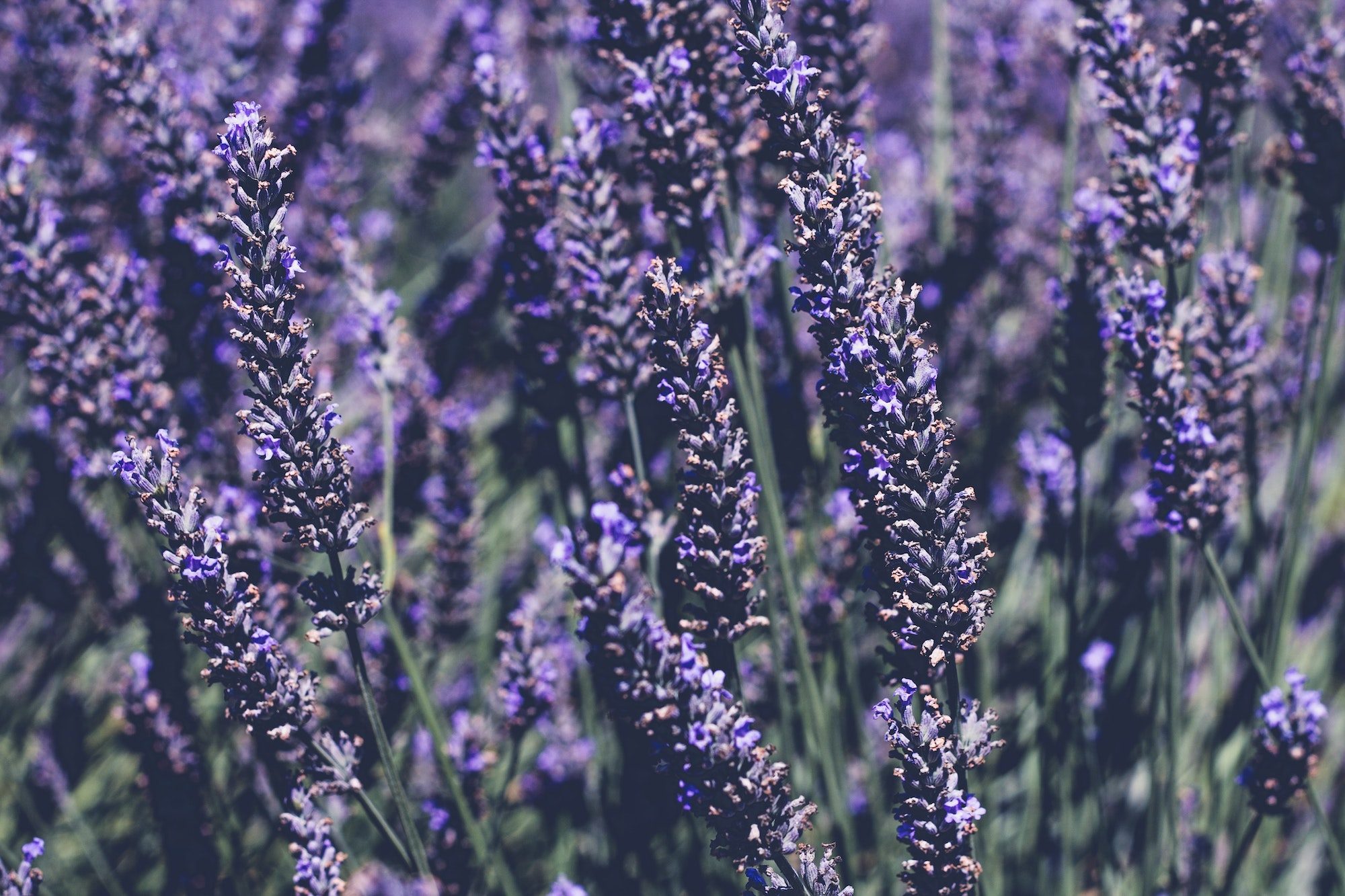
Lavandula angustifolia, English Lavender
English lavender is a semi-woody perennial native to the Mediterranean region, where it thrives in full sun. It grows 12 to 18 inches tall and wide with fragrant, silver-blue foliage and produces lavender blue flowers in terminal spikes from late winter to mid summer. Other lavenders to try include Lavandula stoechas and Lavandula x intermedia.
Hylotelephium “Herbstfreude,” Autumn Joy Stonecrop
Autumn Joy Stonecrop, also called Autumn Joy Sedum, is a perennial succulent for hot, sunny sites that thrives in dry soil. It grows to 2 feet tall and wide with soft green foliage. It produces rosy pink buds in late summer that open to red by early fall. Other Hylotelephium cultivars expand the range of foliage and flower colors, and all perform well in dry gardens.
Achillea millefolium, Yarrow
Yarrow is a perennial with ferny foliage that thrives in dry soil. The plant has a spreading habit with upright stems that stand 1 to 2 feet tall and deep green feathery foliage. Clusters of tiny white flowers attract butterflies and other pollinators in mid to late summer. Numerous yarrow cultivars offer a range of bloom colors including yellow, red, pink, and more.
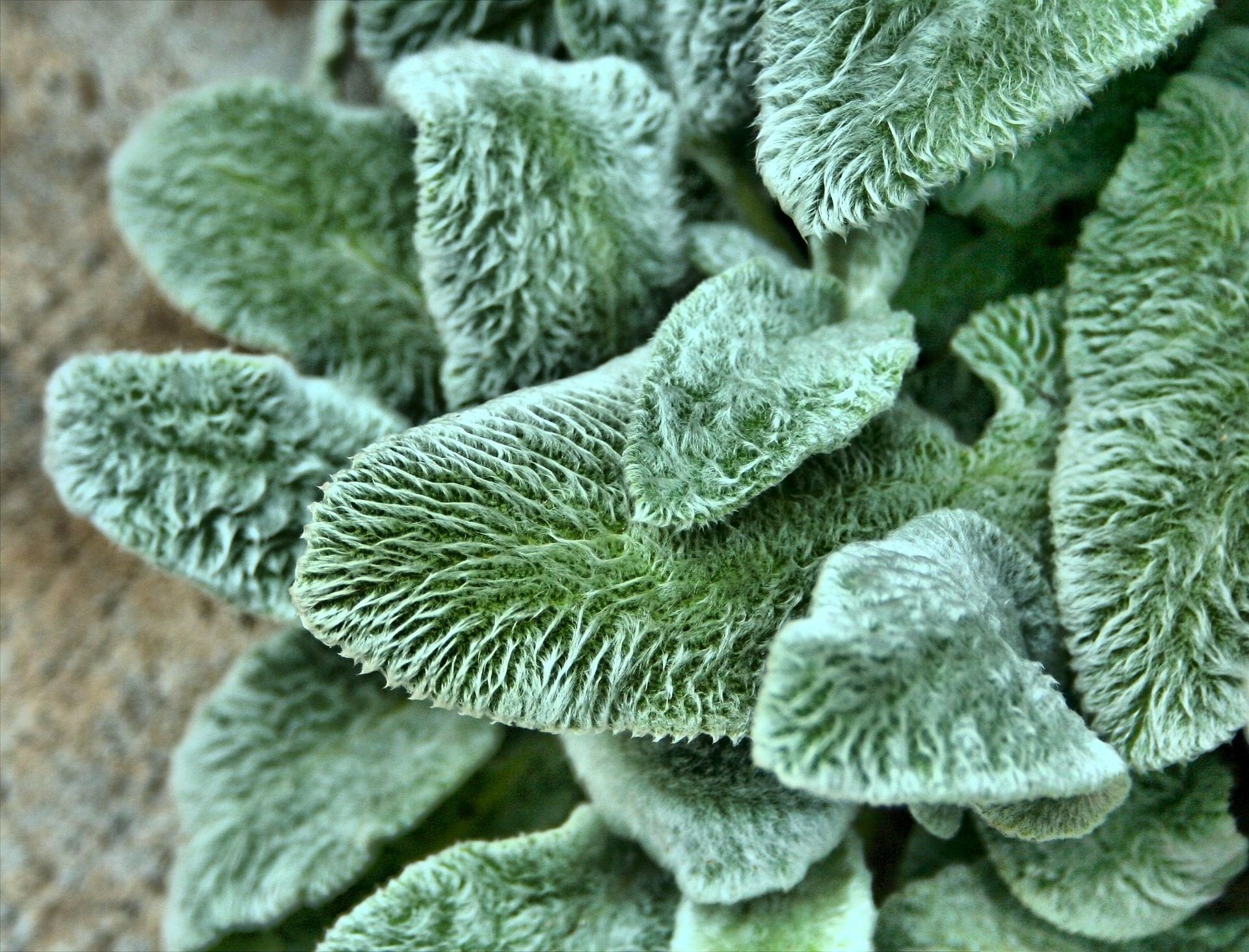
Stachys byzantina Lamb’s Ears
Lamb’s Ears is a semi-evergreen to evergreen perennial native to Turkey, Armenia, and Iran. This mint family member is popular for its carpet of fuzzy silver-green foliage that makes a hardy and attractive groundcover. Rosettes of large, dense, velvety leaves up to 8 inches long form mounding mats up to 8 inches high. Flowering stems rise in early to mid summer, producing spikes of lavender pink blooms.
Plants for dry shade
Helleborus orientalis, Lenten Rose
Lenten rose is an evergreen perennial that blooms in late winter through early spring when the rest of the garden is asleep. Plants grow 12 to 18 inches tall, with deep green, lustrous, leathery leaves that are deer resistant. The large white, pink, or purple cup-shaped flowers grow in clusters of one to four flowers on thick stems that rise slightly above the foliage. Left undisturbed, Lenten Rose can naturalize open, forested sites.
Polygonatum odoratum, Solomon’s Seal
Solomon’s Seal spreads via rhizomes in tough, shady dry gardens. The arching stems rise 1 to 2 feet tall with ranks of green or variegated leaves on opposite sides of the stem. Pairs of fragrant, tiny, white, bell-shaped flowers on short pedicels (flower stems) hang below the leaf stems in mid spring.
Polystichum acrostichoides, Christmas Fern
Christmas Fern is so named for its fertile fronds that remain green all year. This is a tough evergreen fern, native to much of eastern North America. It grows equally well in both dry and moist wooded locations, and is suitable for individual or mass plantings. The foliage grows to 2 feet tall in a fountain-like clump, with medium green, leathery fronds.