Whether you cook with fresh fruit or just like to have it available for snacks, you’ve probably noticed that fruit can be expensive — not to mention tough to source if you’re looking for organic produce or hard-to-find fruits. Growing fruit at home gives you more control over what types you can enjoy, as well as how they are grown. If the task of growing your own fruit seems daunting, here are eight easy and delicious ones to start with.
Apples
Apples come in many different sizes, shapes, and flavors but require little variation in care. These trees are typically grown from root stock, meaning that an apple tree is grafted onto the roots of a different tree. As such, they can be grown practically anywhere, since soil preference and drought tolerance are tied to the roots. Your local nursery will likely already have saplings with root stock that is suited for your region.
Apples are not self-pollinating, so you do need at least two trees to ensure a viable harvest. Plant your saplings in full sun and water them deeply so the roots can become established.

Cherries
Sweet and sour cherries have slightly different care requirements, but both are naturally cross-pollinating so plant at least two trees for optimal results. Sweet cherries need to be planted slightly farther apart, and sour cherries are a bit more cold-tolerant. Both varieties grow deep roots, making them ill-suited to rocky soil or clay. They prefer full sun and typically only need an inch of water each week. The downside to cherries is that the trees can take several years to begin producing fruit.
Currants
If you don’t have room for an entire tree, a currant bush may be right for you. Currants can be white, red, or black. They have different flavors but the same care requirements. Currants are self-pollinating, so you only need one bush, but cross-pollination can still benefit them. They enjoy rich, well-draining soil, partial to full sun, and thrive in mild climates. Currants need consistent moisture and plenty of nitrogen to fend off mildew. Certain areas prohibit black currants due to soil borne diseases, so check with your state’s laws and restrictions before planting.

Kumquats
Kumquats are a good choice if you like citrus fruits but are short on space. Kumquat trees can get up to 15 feet tall but stay significantly smaller when grown in a container. They enjoy full sun but tolerate a variety of soil types and are more cold hardy than other citrus fruits. Kumquats need consistent moisture while developing but after reaching maturity only need watering when dry.
Key limes
Key limes can be grown outdoors or in containers, but they do need a lot of sun. They are sensitive to the cold, so it is recommended to grow them indoors if you live in a region with cold winters. They need to be watered weekly and do not tolerate droughts, but a layer of mulch at the base of the tree will keep the water from evaporating too quickly.
When growing in a container, be sure it has drainage holes. A dose of slow-release fertilizer with plenty of nitrogen can help keep your tree strong and healthy.
Strawberries
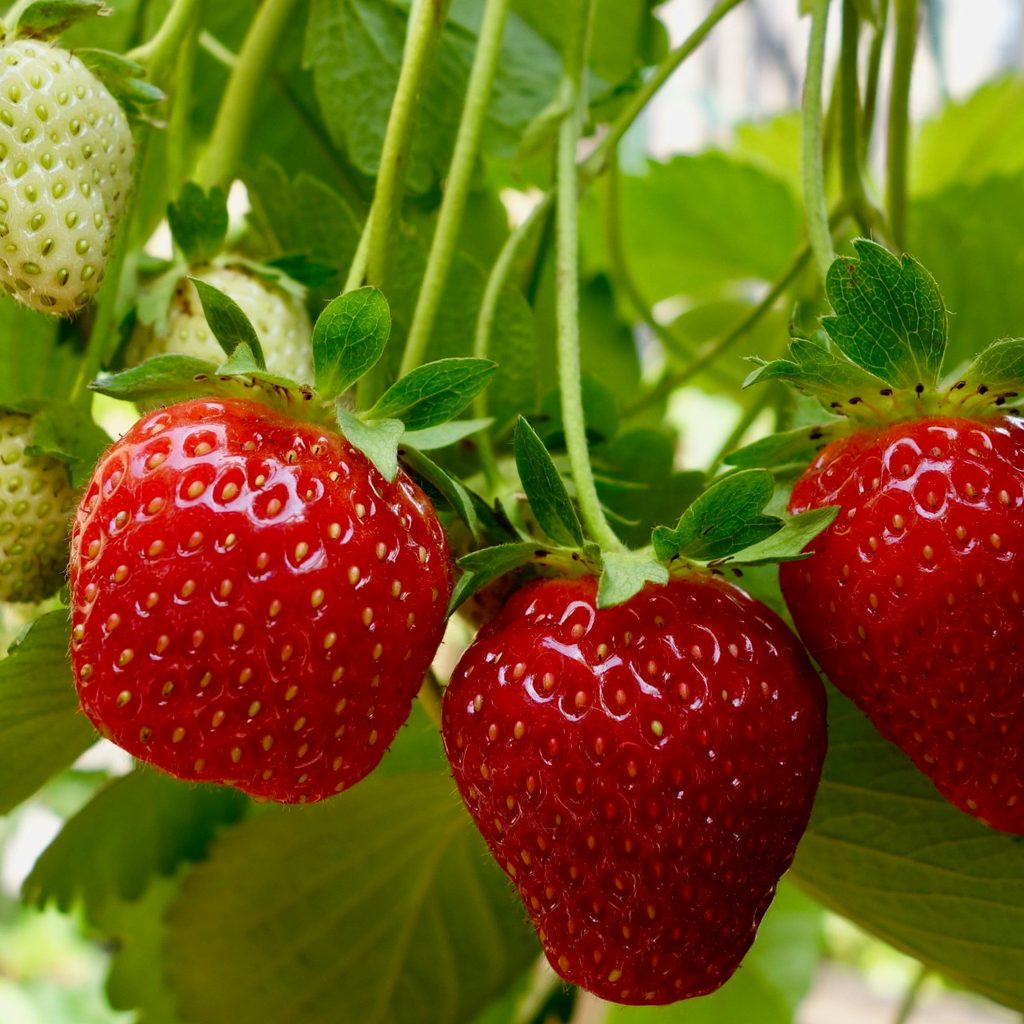
Strawberries can be grown indoors, outdoors, flat on the ground, or in a strawberry tower, which makes them perfect for any location. They prefer to be planted in full sun, and if you intend to plant them in a traditional garden be sure to give them room to grow. They need roughly an inch of water a week and slightly more when flowering. Try not to get their leaves wet, though, and water them in the early morning.
Figs
Fig trees are among the easiest fruits to grow and are great for beginners. They fruit best in full sun but can tolerate some afternoon shade. Figs love hot climates, but, when grown in containers and cared for properly, can be grown in colder climates. Be sure the pot you grow them in has ample insulation to protect their roots and keep them away from drafts. The common fig tree can produce figs without pollination, making it a favorite of many gardeners.
Figs prefer well-draining soil with plenty of organic material but can tolerate almost any soil type. They don’t need any extra fertilizer unless grown in containers and only need weekly deep waterings during dry weather.

Blueberries
There are different varieties of blueberry bushes that have been bred for cold tolerance, drought tolerance, and disease resistance. Your local nursery can help you pick out the best variety for your region, and because of this blueberries can be grown in most places. They thrive in full sun with some protection against high winds but can tolerate some shade.
Blueberries prefer acidic, high nitrogen soil. You can test your soil to see if it matches. If it doesn’t, you can supplement your soil with small amounts of coffee grounds, peat moss, or pine needles.
Fresh fruit is a delight to have readily available, and with these eight fruits you can have as much fruit as you can harvest. If you aren’t sure about which fruits to choose, check your local nurseries and garden stores to see what is available. Whether you’re looking for something sour or sweet, this list is a great place to start.