Often, when we think about edible plants, we think of eating the fruits, roots, and leaves of the plants. Flowers are beautiful, but they’re mostly used for decoration. That doesn’t have to be the case, though! If you’ve ever been curious about edible flowers, here is some basic information so that you can have your garden and eat it, too.
Which flowers are edible?
There are a lot of edible flowers, so it’s important to do research on any particular flower you have before eating it. Some of the most common edible flowers are: Roses, clover, dandelions, daisies, hibiscus, lavender, lilac, mums, honeysuckle, nasturtium, marigolds, pansies, carnations, gladiolus, sunflowers, kudzu, and violets. Orchids are edible, but some varieties have been known to cause indigestion.
Never eat a flower unless you are absolutely certain what it is and what it will do to you. It’s also important to only eat flowers that you know haven’t been sprayed with any chemicals, as pesticides can make you sick. You also want to make sure that you try flowers slowly at first, in case you have an allergic reaction. You should always wash the petals before you eat them, but this is doubly true if you have pollen allergies. If you have severe allergies, you may want to consult with your doctor before eating flowers.
How long do edible flowers last in the fridge?
When stored properly, edible flowers can last four to six days in the fridge. Flowers don’t last as long as other foods because they don’t have any peel or rind to protect themselves. Flowers are kept alive through their connection to the stem and have very little reserve energy, so once they’re separated from the stem they die quickly.
To store your flowers in the fridge, remove the stamen and pistols in the center, then carefully wash the petals. In order to keep your edible flowers fresh, put them in an airtight container and use them as quickly as possible.
If you need your flowers to last a little longer, you can leave them on the plant and only pick and prepare them when you’re ready to use them. This is recommended, since flowers spoil so quickly.
You can also harvest them with the stem as cut flowers. This is easier for flowers with long stems, such as roses, but it can be done with any flower. Place the stems in a container of fresh water, and they can last seven to 12 days. If your flowers start to wilt, cut the end of the stem off and replace the water with fresh water.
What can I do with edible flowers?
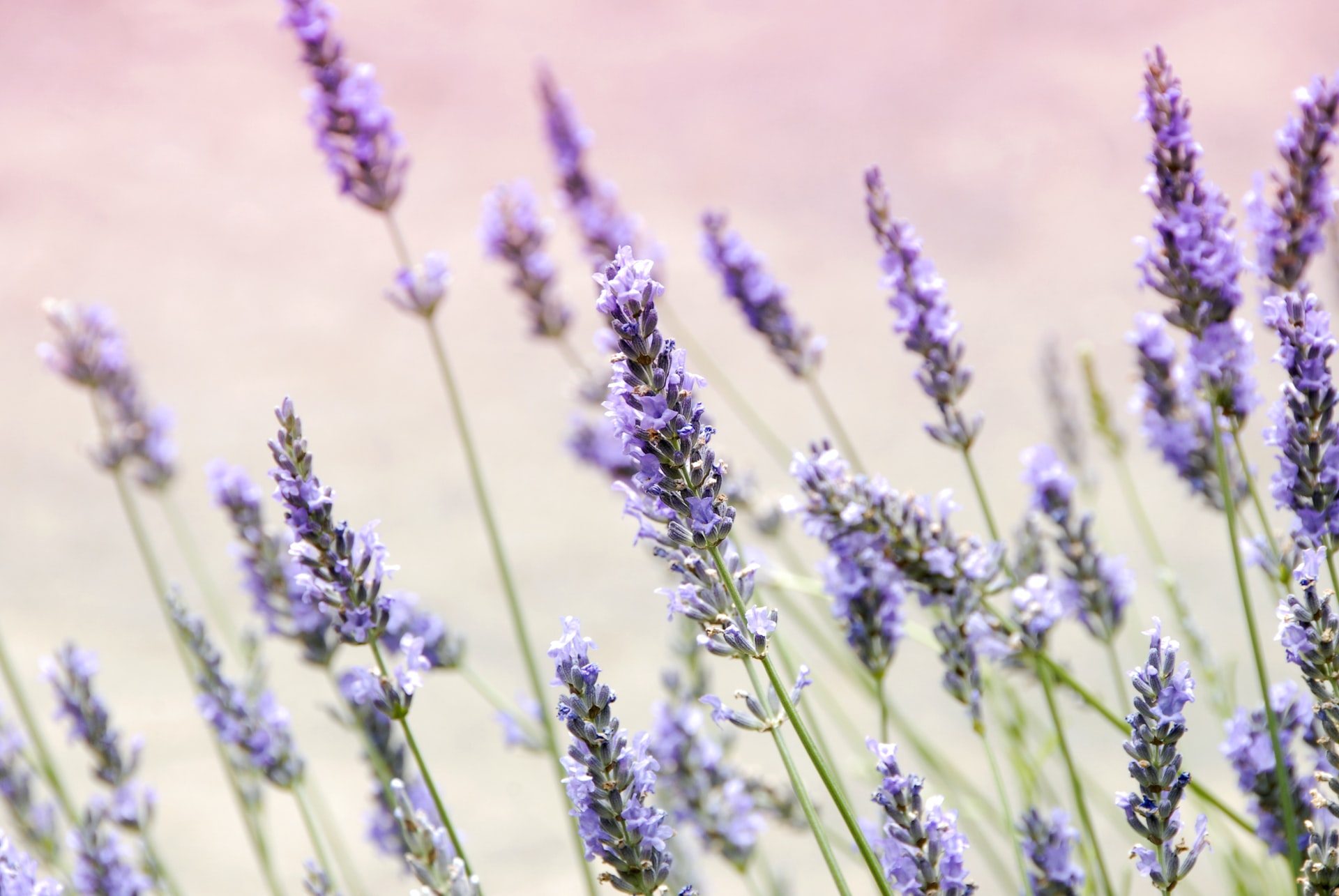
There are a variety of recipes available for edible flowers and countless ways to personalize or experiment with them. Flowers can have wildly different tastes, so don’t be afraid to try different combinations! Lavender and violets are sweet, while nasturtium has a stronger, more peppery flavor.
Many edible flowers can be eaten raw, although the flavor and texture can be off-putting for some. Jams are one excellent way to use your flowers. Dandelions, lavender, lilac, and violets are the top flowers, but not the only flowers, for jams and jellies.
You can also eat fried flowers. Fried kudzu blossoms and fried zucchini blossoms both have a distinct and interesting flavor. Tea is another option. Roses make a light, floral tea, while hibiscus makes a tea with a richer flavor.
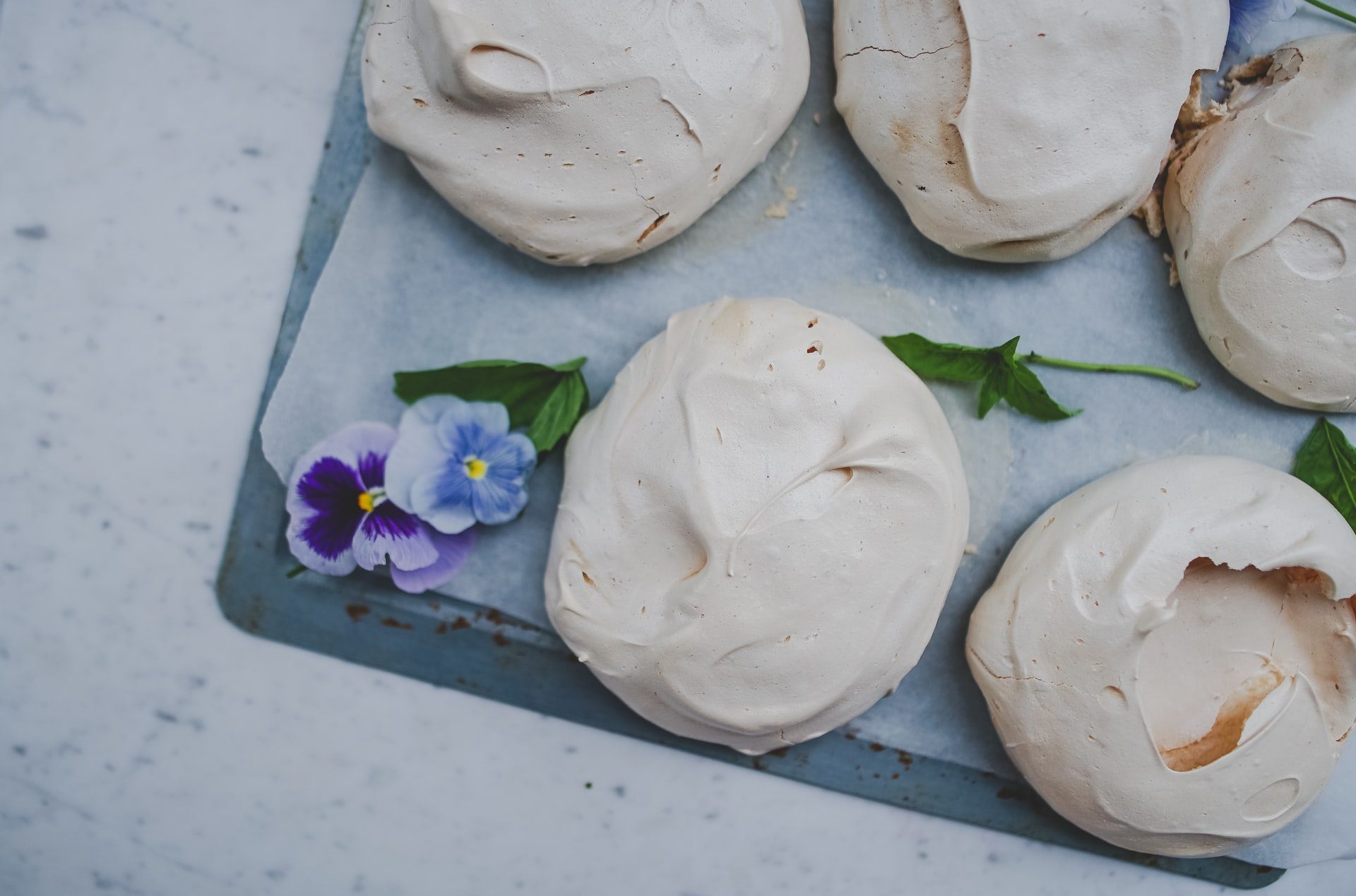
You can candy your flowers, making them into beautiful, sweet decorations for cakes or other desserts. Another dessert you can make with them is ice cream. Lavender ice cream is delicious and pairs well with white chocolate. If you’re over the legal drinking age, try adding some flowers into your favorite cocktail. You can even pickle flowers, if you’re in an adventurous mood.
Can you grow edible flowers?

Yes, you absolutely can grow edible flowers! In fact, edible flowers are better if you grow them yourself. This is partly because things taste better that way, but mainly because you can be certain that there were no chemicals used on them.
Most of the examples listed above are edible flowers you can grow easily, with very little instruction. Roses can be a touch finicky but aren’t impossible to grow, and lilacs can get up to 15 feet tall, so make sure you have plenty of room for them. Consider how much sun and shade your garden gets, what type of soil you have, and how much rain you typically get when picking out flowers. Don’t forget that you can also grow flowers in pots, so don’t get too discouraged if your favorite edible flower’s preferences don’t match up with your garden.
The only edible flower you can’t grow is kudzu. Kudzu is invasive and extremely aggressive, taking over large areas quickly.
Edible flowers are a fantastic way to add color and fun to your meals. There are tons of different flowers, all with different tastes and uses. Don’t be afraid to explore your options and try out some new recipes! Just remember not to eat anything unless you know what it is and where it came from.