
Deer, squirrels, raccoons, rabbits, and other animal pests can wreck a garden in no time. To make matters worse, they have good memories. Once they’ve eaten up the lettuce in May, they’ll come back for beans in June, tomatoes in July, and corn in August. There are plenty of sprays, granules, and traps for sale at garden centers and home improvement stores, but they require regular application to work consistently. Unlike repellents and traps, electric garden fencing holds promise as a lasting animal pest deterrent.
An electric fence system creates a psychological barrier that keeps uninvited animals out. The animal touches the fence, receives a shock, and learns that this is a “dangerous” area. It quickly becomes trained to stay away from the fence. The pulsating low-voltage current that flows through the fence is not deadly to humans or animals, but the shock is an effective, uncomfortable surprise. If you’re thinking about installing a new electric fence for the garden, read on to learn more.
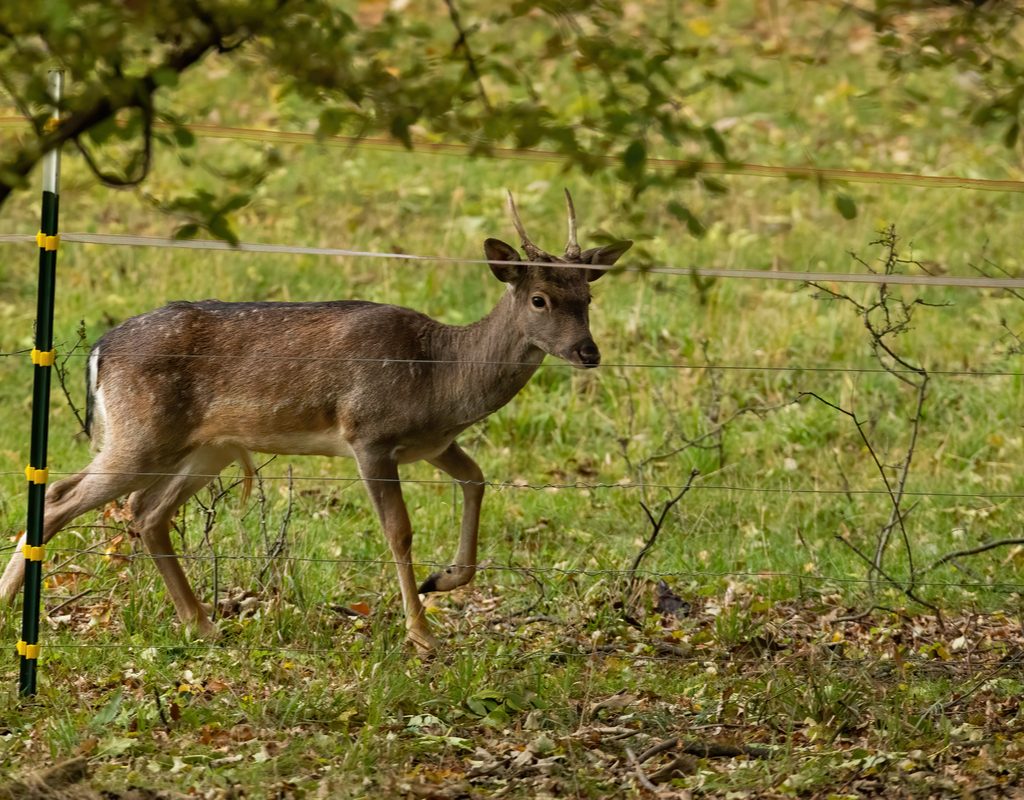
How electric fencing works
Just a few simple components make up the electric fence system: a fence charger (also known as an “energizer” or “fence controller”), fence wire, fence posts and insulators, a ground rod, and connection wires. The charger converts electricity from a power source into a high voltage (2,000 to 10,000 volts), very low amperage (about 0.12 amps) pulse. It releases the pulse, also known as the “shock,” onto an isolated fence line about once per second.
When nothing else touches the electrified fence wire, the current travels along the wire and creates an open circuit, like the electricity flowing to a light switch that’s been turned off. When an animal touches the wire, the current flows through it to the ground, closing the circuit, like turning on the light switch. The electric pulse shocks the animal at the point of contact. The pain that the animal feels is short-lived and doesn’t cause physical injury.

An electric garden fence will keep animal pests out
An electric fence conditions animals to avoid the fence. When they explore the unfamiliar fence, they may touch it with their nose or brush against it their body. If they experience a sufficient shock the first time, they’ll stay away afterward. To work properly, it must be configured and installed properly.
The power of the charger and the placement of wires determine the system’s success. With a low, closely spaced four- or five-wire electric garden fence, squirrels and rabbits can easily be controlled. Deer, on the other hand, require a tall fence with seven to nine wires, and wider spacing.
Many gardeners incorporate one or more strands of electric fence into decorative garden fencing, for a couple of reasons. Substantial decorative fencing adds a greater sense of permanence along with the attractive appearance. More importantly, it makes the electric fence more easily visible to both people and pests.

Consider the risks to people, pets, and plants
With electricity, current kills. That said, electric fences pulsate extremely low amps. The current they produce won’t kill a squirrel, much less an adult or child. The electric shock is painful and will continue to hurt for a few minutes, but it doesn’t cause a burn or any other injury. If an adult, child, pet, or any other sentient touches it while in contact with the ground, they will be shocked but not otherwise harmed. Birds that perch on the wire won’t be shocked. Still, it’s a good idea to post warning signs on electric fencing to help unknowing visitors avoid accidental contact.
Tall grass and overhanging shrubs can cause the system to short out, especially in wet weather. To avoid this problem, the grass beneath the fence must stay short and any other vegetation that could contact the wires must be cut back.
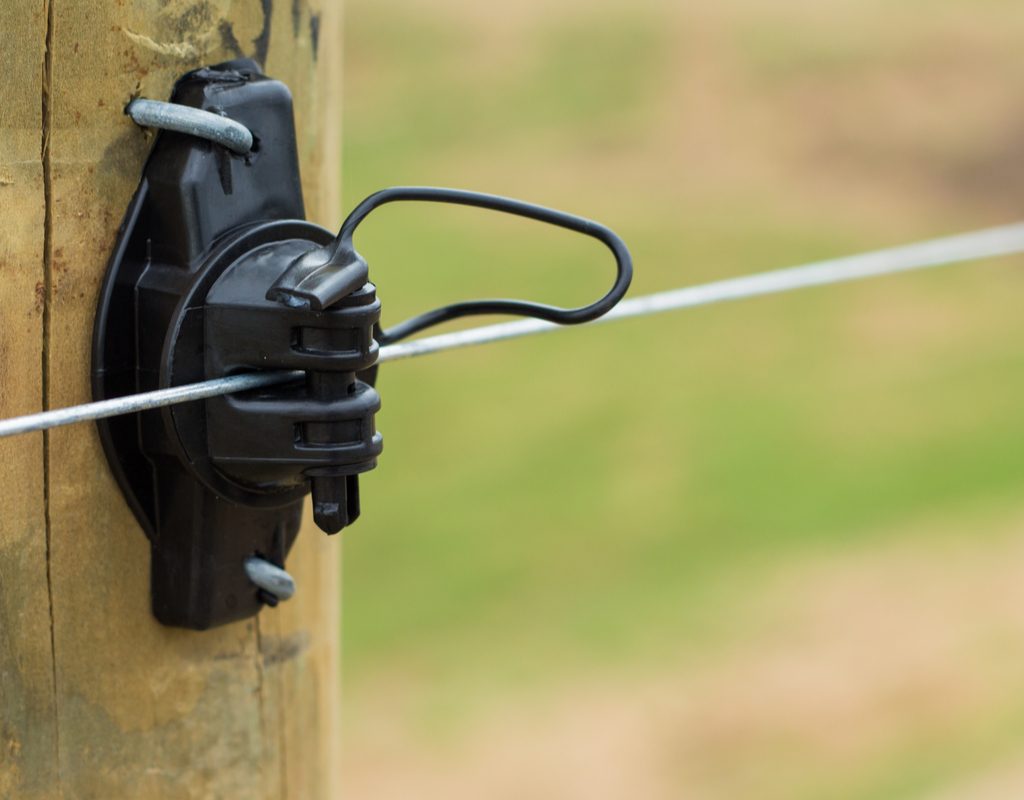
Construct a DIY electric fence
Electric fence installation is a simple and straightforward DIY project. The most important consideration during the design phase is the types of animals you want to repel, as that will determine the required number of fence strands, spacing requirements, and charger strength. Kits are available for small projects such as flower beds and small to mid-size vegetable gardens. For larger projects, it may be necessary to purchase the components separately. Materials will cost about $250 or less, and should last a decade or more.
Electric fencing is a safe and effective alternative to spray-on or granular animal repellents for protecting garden spaces. The total cost is much lower, and the maintenance of fencing is far less than the amount of time required to apply repellents. If you are in search of a simple and flexible animal deterrent, electric garden fencing could be a great choice.