If you’ve ever picked your own fruit in the wide open spaces of an orchard, it’s easy to get the impression that fruit trees thrive in nothing less than full sun. The truth is that some crops really do need full sun, but there are also quite a few shade-tolerant fruit trees and bushes. Even if the fruit you want to grow needs full sun, there are some ways you can improve the amount of sun they get, even in a shaded area. We’ll cover everything you need to know about fruits that grow in shade in this simple guide, so that you can start growing your own delicious fresh fruit.
Fruit trees need sunlight
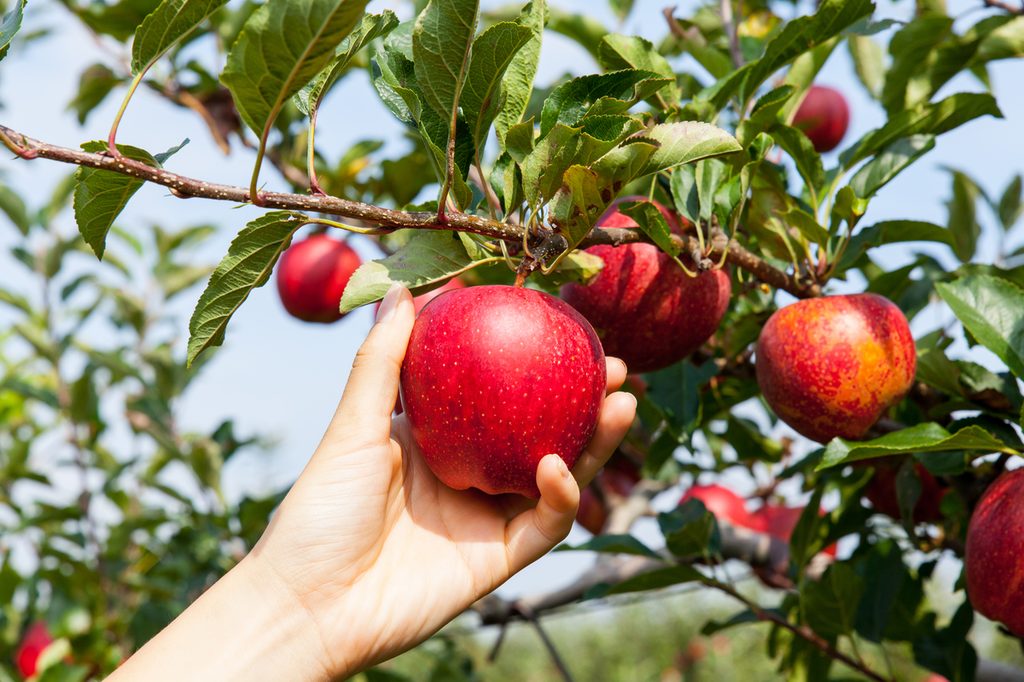
It’s no secret that plants need sunlight to feed themselves through photosynthesis. Plentiful sunshine allows trees to convert energy from light into sugar to fuel flower production and fruit development. And, although the green skin on immature fruit can perform photosynthesis, the fruit still requires supplemental sugars provided by nearby leaves as its primary source. So, the leaves in the immediate area surrounding an individual fruit have the most influence on that fruit’s development.
The quality of individual fruits also increases with light exposure, regardless of the nearby leaves. Fruits exposed to optimal light conditions attain higher sugar levels, increased flavor complexity, and a greater depth of color. Since color, flavor, and sweetness are important attributes of fruit, we should be aware that optimal light reaching both the leaves and fruit leads to higher quality overall.
But too much of a good thing can be bad. When developing fruit is overexposed to sunlight and high temperatures, it results in sunburn. Too much light is not often a problem in partial sun landscapes unless the sun hits during its greatest intensity in midday and early afternoon.
Sunlight use
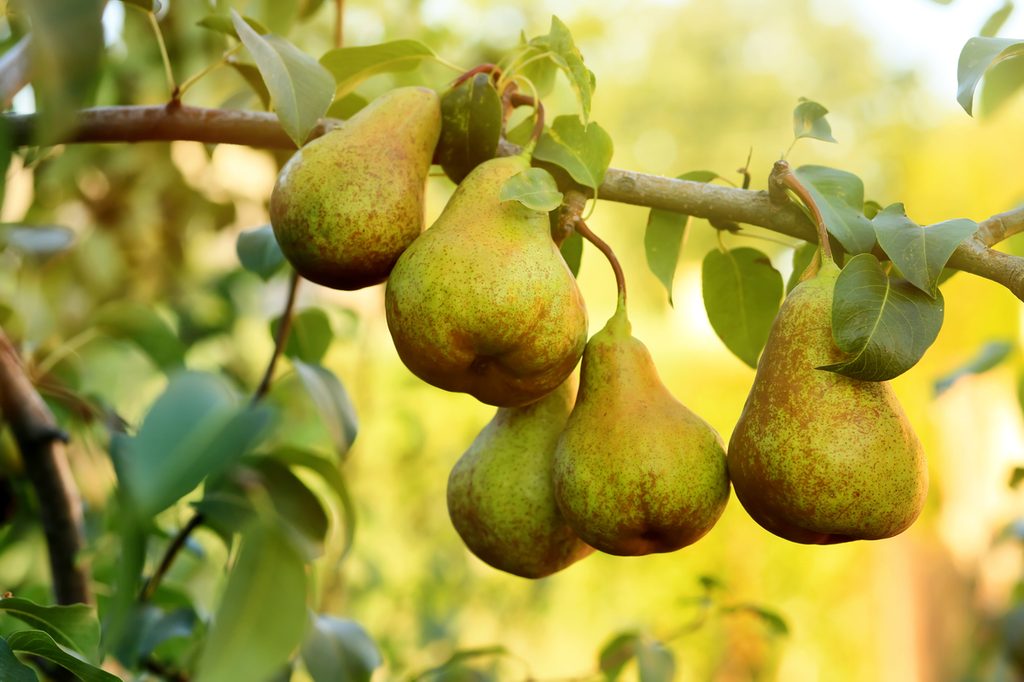
There are some trees that need full sun all day long to make the best fruit, while others can produce a good crop with only six hours of direct sun. These partial shade fruit trees include pears, plums, and the American native pawpaw. Numerous small fruits produce well in partial shade, including raspberries, blackberries, and the other so-called bramble berries. Also, some grapes, including muscadines and scuppernongs, produce fine crops in just six hours of sunlight.
Although deep, dark shade precludes fruit production, a high, bright tree canopy with dappled sunlight peeking through provides enough light for several other fruiting shrubs. Serviceberry, blueberry, huckleberry, gooseberry, and currant thrive in filtered sunlight. Hardy kiwi vines thrive in low light as well; just be sure to plant both male and female vines. Alpine strawberries, too, produce abundant yields in dappled shade.
The danger of too much shade
Even with good plant selection, there may come a time when the shade starts taking a toll on your fruit trees. Some signs that plants are getting too much shade include reduced fruit yield, an increase in plant diseases or insect pests, and a bigger water bill. Excessive shade hinders photosynthesis, leading to diminished fruit yield and quality.
If the tree cannot feed itself, it is at a greater risk of damaging insect infestation. A dense canopy overhead also inhibits airflow and rainfall. Stagnant air leads to fungal disease problems. Reduced rainfall leads to increased irrigation. If these symptoms arise, it’s time to let in more light.
Prune for better light penetration

If sunlight is minimal, it probably won’t get better with time. Shade trees continue to grow, as do fruit trees. Pruning becomes a critical piece of the routine. A certified arborist can safely thin the canopies of tall shade trees to allow more sunlight and air circulation in the area, both of which will benefit fruit trees. This work should be done every one to five years, depending on the climate and the types of trees.
Regular fruit tree pruning also increases light penetration, which improves fruit quality. Summer and winter pruning are beneficial for different reasons. In winter, remove dead, weak, or diseased branches, and branches that cross over or rub. Winter pruning allows trees to focus their energy on the strong, healthy wood when spring growth starts. In summer, remove branches that are unsafe, non-productive, or too big. Both types of pruning can be done to increase sunlight and air circulation within the foliage.
Which fruits need the least sun?
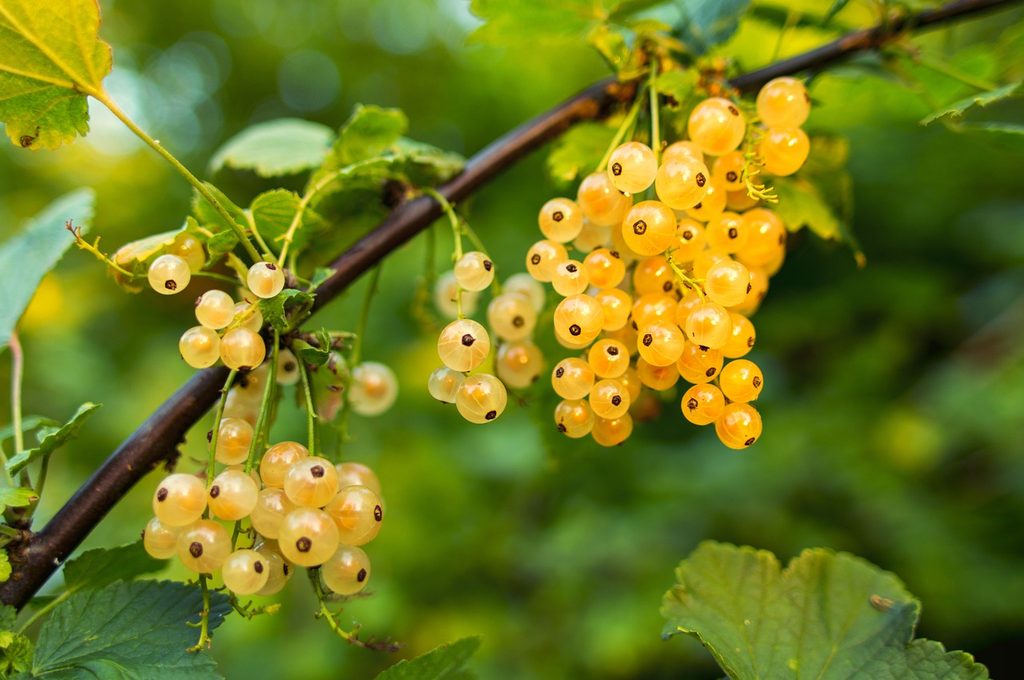
If your backyard is more shaded than most, or if you want to try growing fruit indoors, then you might wonder which fruits that grow in shade need the least amount of sun. Berries that naturally grow in the underbrush of forests need the fewest hours of sun on average. At the top of your list should be gooseberries and currants, especially black currants and white currants. While red currants can grow in shade as well, your harvest is likely to be slightly smaller. Gooseberries, in particular, prefer shade in hotter climates.
Can you grow fruit trees under a grow light?
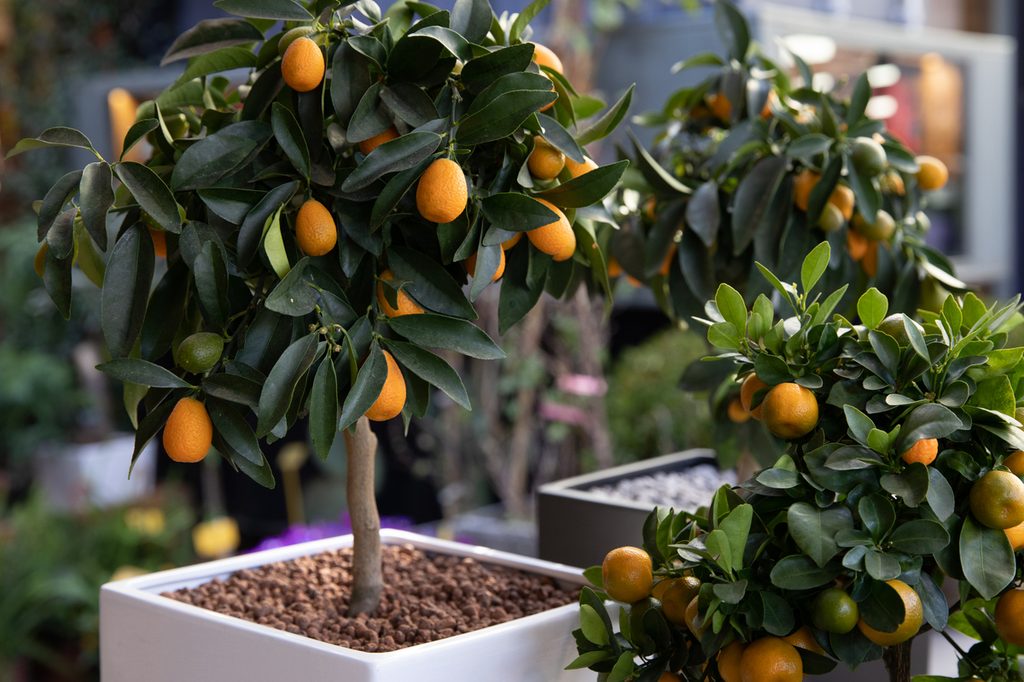
If your backyard is too heavily shaded for the fruit tree you want to grow, you might be wondering if you can grow it indoors with a grow light. The good news is that yes, you can grow most fruit trees using a grow light. While outdoor trees are too large for a grow light, smaller indoor trees will thrive with the steady light that grow lights provide.
There are a few things to keep in mind, though. You’ll need to choose your fruit tree carefully to ensure it doesn’t outgrow your home. There are dwarf varieties of many popular fruit trees, and you can keep your tree smaller through strategic pruning. A smaller tree also typically means a smaller harvest, which can be a benefit or a drawback, depending on how much fruit you want.
Your semi-shade backyard is not a hindrance to growing fruit trees when you make sunlight management a part of their routine care and maintenance. Select shade-tolerant varieties, and be sure to prune them for an open branch structure. Watch for signs of stress, such as decreased fruit production or increase in pest problems; and thin the canopies of overhead trees periodically for better sunlight penetration. Your trees will reward you with a ready supply of delicious homegrown fruit.