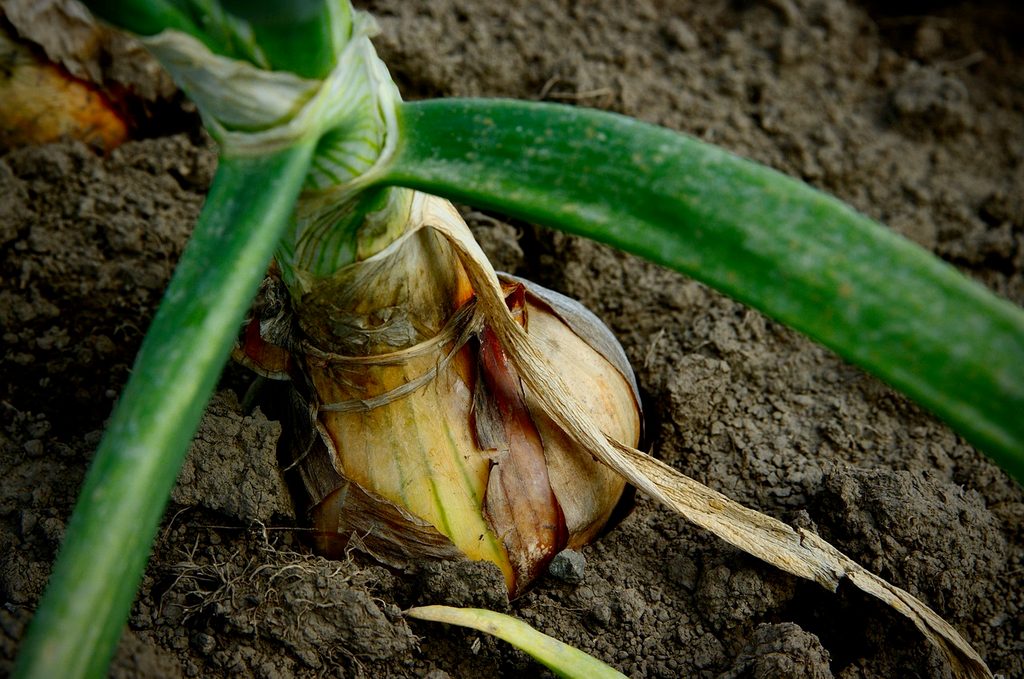
Garlic is a flavorful addition to most dishes, and it can be a helpful addition to most gardens as well. Along with its strong flavor and smell comes the reported ability to repel pests by masking the scent of more palatable plants. This makes garlic an excellent companion plant for most vegetables and flowers, but what about the reverse? Which plants are good companions for garlic, and which are better planted elsewhere? This guide to garlic companion plants will answer all your questions so you can plan your next garden with confidence.
Fruits and vegetables
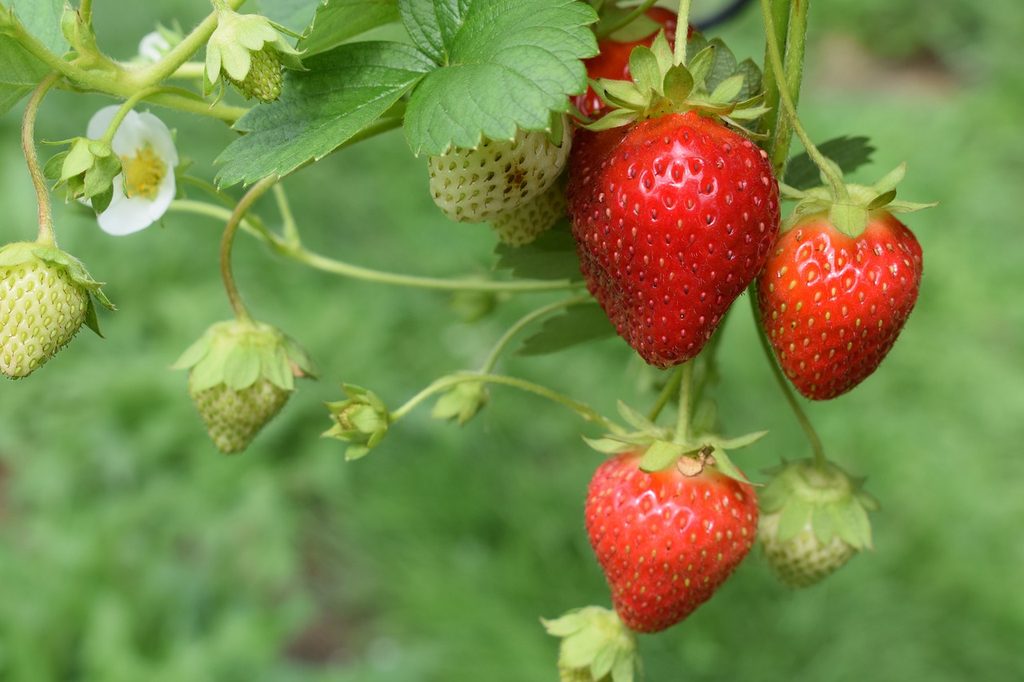
If you want to add garlic to your fruit or vegetable garden, then you’re in luck! Many fruits and vegetables make excellent garlic companion plants. Small root vegetables such as beets, radishes, and carrots are a good choice. They don’t take up much room and they can be planted alongside many other vegetables as well. Strawberries make great garlic companion plants.
Fruits and vegetables in the nightshade family, such as tomatoes, peppers, and eggplants, are another good choice. Garlic can help repel the pests that plague these plants, and their flavors blend together nicely, making them a convenient match. Cucurbits, such as cucumbers, watermelons, pumpkins, zucchinis, and other squashes and gourds are a good match for garlic as well. Garlic doesn’t take up much room, so it won’t compete with the larger melons and gourds for space.
Brassicas, such as broccoli, cauliflower, mustard, cabbage, and Brussels sprouts, can be picky about their companion plants. However, garlic actually pairs with them quite well. So, if you aren’t sure what to plant with broccoli, you might consider adding garlic to the list.
Herbs
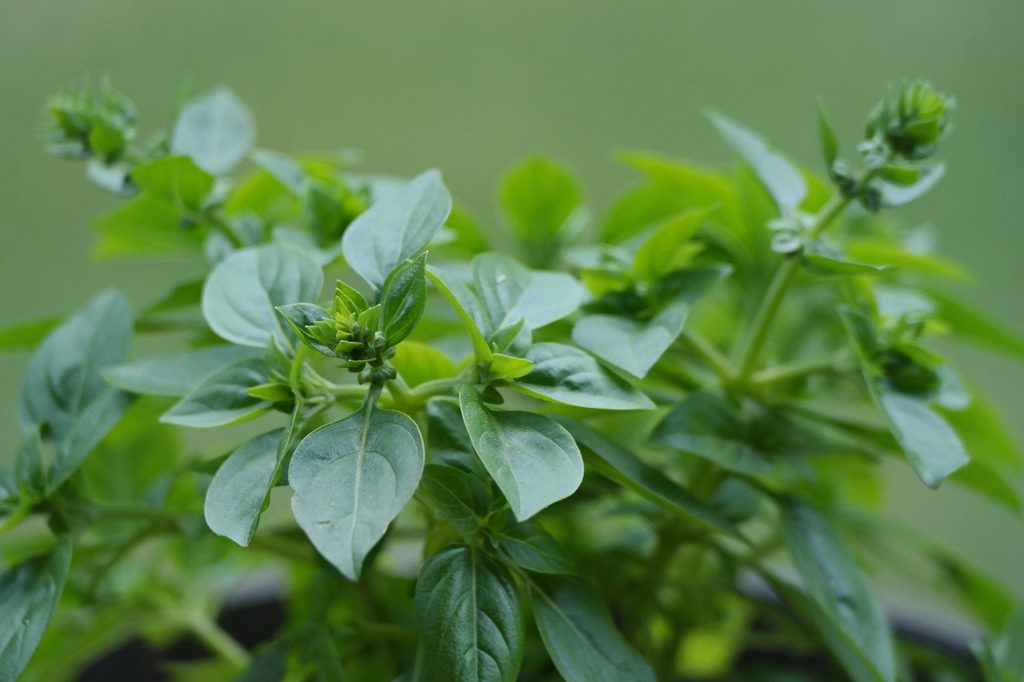
Garlic may be a vegetable, but it can often be found among herbs and seasonings, and many gardeners like to plant garlic in their kitchen herb garden. Luckily, many herbs make good garlic companion plants. Classic herbs such as basil, oregano, and rosemary can all grow alongside garlic, as can some less common herbs such as dill and chamomile.
A pair of herbs that you may not have considered adding to your herb garden but that make great garlic companion plants are tarragon and rue. While these herbs may not be as widely used as basil, they’re useful if you enjoy their flavors, and both can benefit your garlic plant. Rue can help repel certain pests, and tarragon seems to give garlic a boost.
Flowers
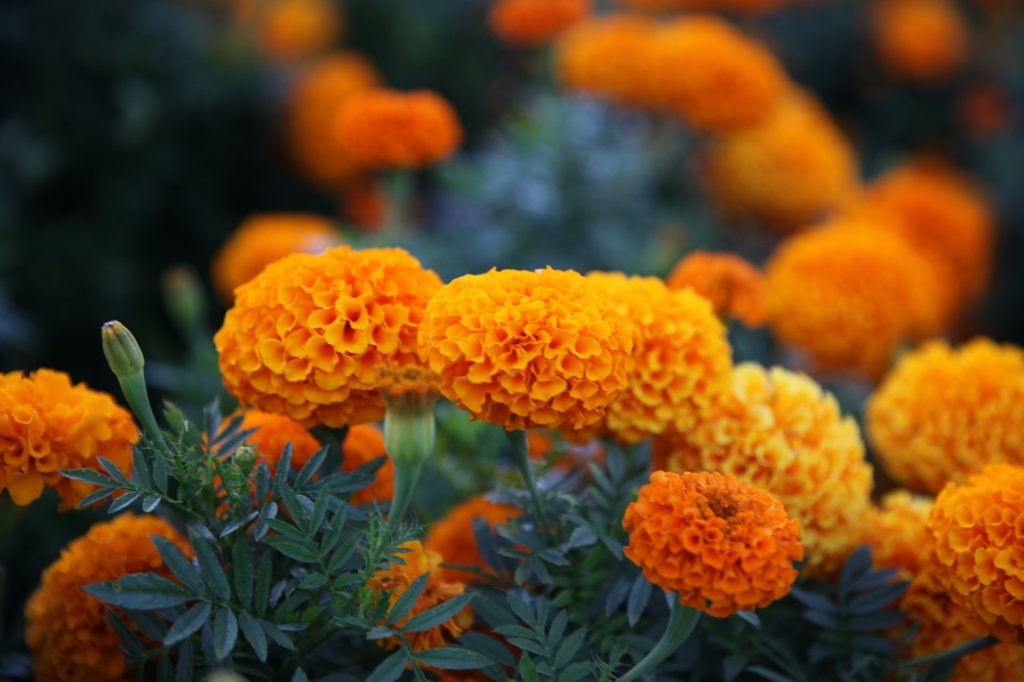
If you want your garden to have a mix of flowers and vegetables, or if you want to give your flowers some benefits garlic offers, then here are the flowers you can plant alongside your garlic. Asters and daisies are a great place to start. Chamomile, while technically an herb, also falls into this category, as it is a member of the aster family. Your roses will also welcome some garlic, as garlic can help keep them safe from pests.
Marigolds, calendula, nasturtiums, and geraniums are more excellent garlic companion plants. These four flowers are also said to have pest-repelling properties, so they can help protect your garlic from pests. Since garlic can also repel some pests, planting them together around your garden can give the rest of your garden increased pest protection.
Garlic companion plants to avoid
Garlic pairs well with so many plants, but there are a few that don’t make great garlic companion plants. Avoid planting garlic with other alliums. They will compete for the same resources, and they’re vulnerable to the same pests and diseases, meaning they are more likely to run into problems when planted together.
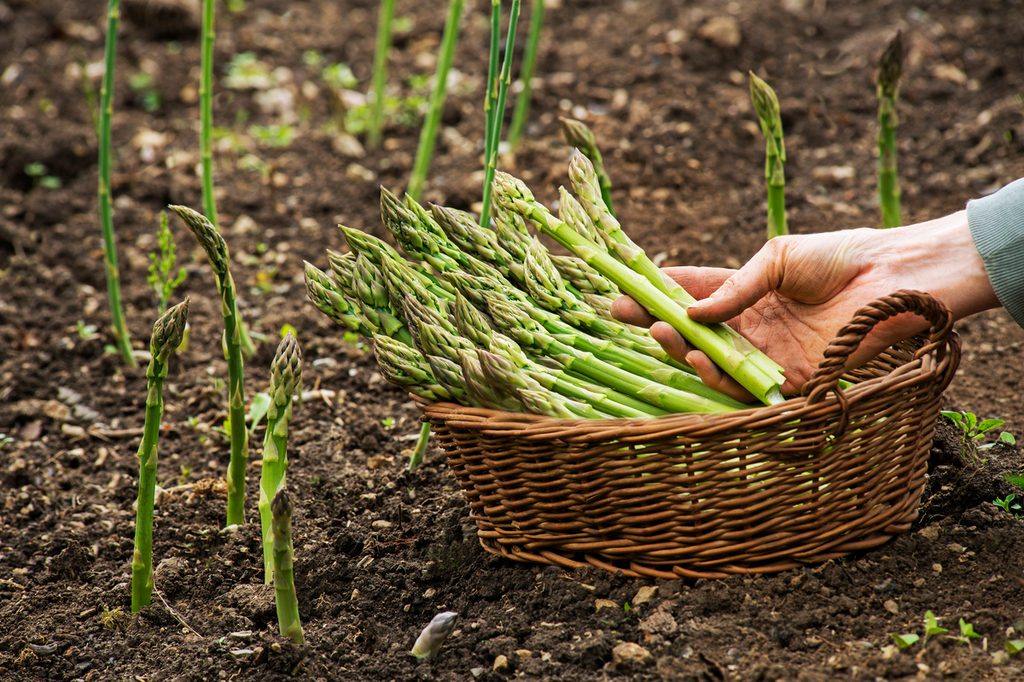
Asparagus and related plants, such as liriope flowers, shouldn’t be planted near garlic either. Planting these crops together typically results in shorter asparagus stalks and poor growth overall. Legumes suffer the same fate. This means that beans and peas don’t make good garlic companion plants. Parsley can sometimes show the same stunted growth as well. If you want any of these plants in your garden, be sure to plant them in a different part of your garden, well away from your garlic.
Using these tips, you can successfully add garlic to practically any garden, especially since garlic pairs well with so many plants. Garlic can grow in containers as well as in outdoor gardens. If you have plants that aren’t great garlic companion plants, or if you just don’t have room for garlic in your garden, you can use this to your advantage. Grow some garlic in containers and place them around your garden to provide its pest-repellent properties to any plant! So, when you start planning your next garden, consider adding some garlic companion plants into the mix.