As summer ends and fall begins, the pumpkin harvest season is almost here! These lovely gourds have so many uses, from baking them into delicious pumpkin pies to carving them into Halloween decorations. Knowing when to expect them is one thing, but how many pumpkins can you expect to harvest? Is there any way to encourage your pumpkin plant to produce more pumpkins, or should you plant a specific type of pumpkin to ensure the biggest harvest? Here’s everything you need to know about how many pumpkins per plant to expect this harvest season.
How many pumpkins can grow per plant?
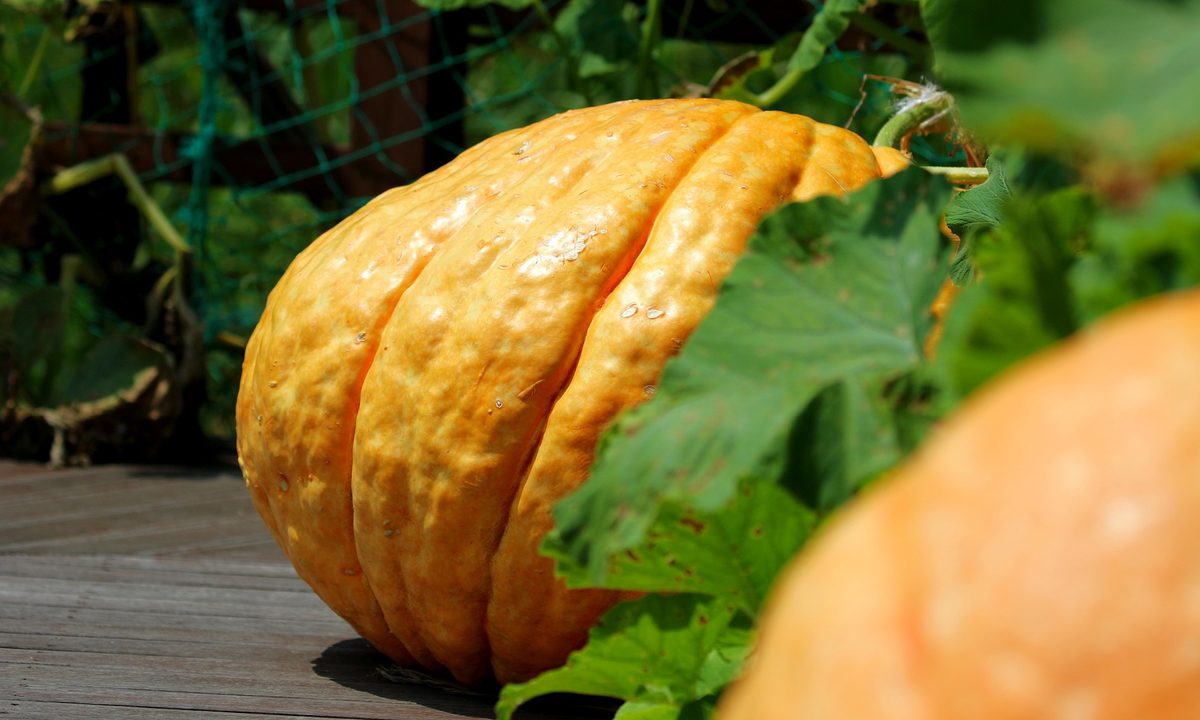
On average, pumpkin plants grow two to five pumpkins per plant. However, this depends on a few factors. Each pumpkin needs space and nutrients to grow. The larger the pumpkins are, the fewer you can expect to see on your vine. On the other hand, varieties with smaller pumpkins tend to produce more pumpkins. Pumpkin vines growing in poor soil or that are weak, sick, or stressed also tend to produce fewer gourds. These pumpkins may also be smaller than the species’ average, since the plant has less energy to devote to each pumpkin.
This principle also works in reverse. If you want to produce larger pumpkins, you’ll want to ensure your plant is devoting as much energy as possible to each pumpkin. Farmers who grow large pumpkins for competitions will often remove all but one pumpkin from each plant, so that the pumpkin has the undivided attention and resources of the plant.
Can you encourage a plant to grow more pumpkins?
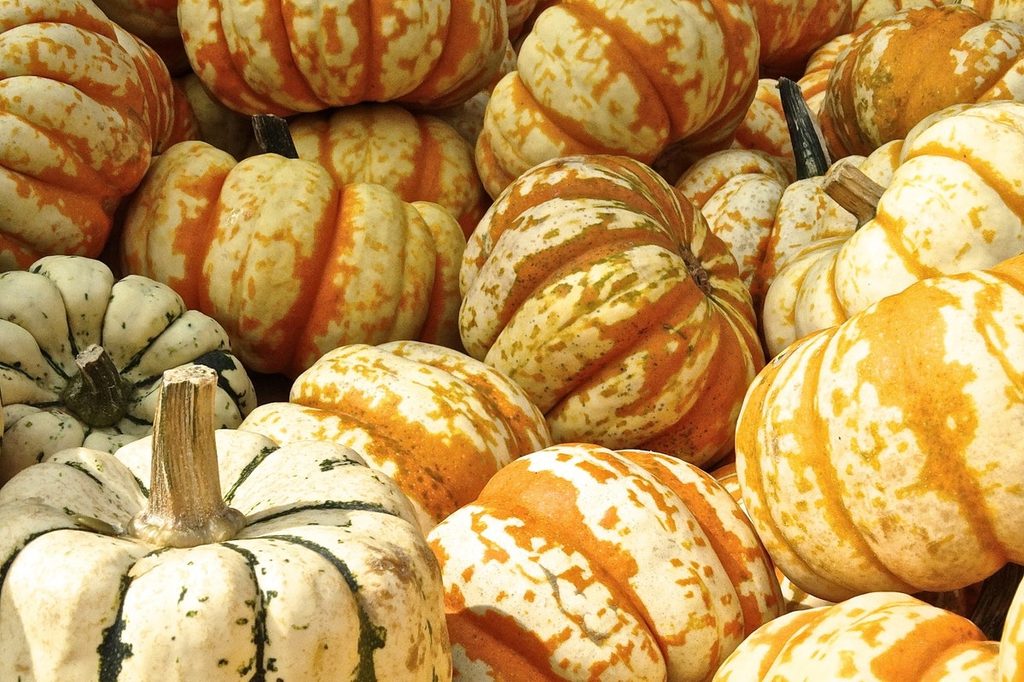
While there aren’t ways to guarantee a larger harvest, there are things you can do to encourage your pumpkin vine to produce more fruit. Healthy vines are more likely to produce bigger, better, and more plentiful pumpkins, so ensure that all your pumpkin plant needs are met. This includes regular watering, plenty of sun, warm temperatures, and applying fertilizer.
For the best results, apply fertilizer throughout the growing season to keep your pumpkin vines fed. However, they need different fertilizers at different points. Nitrogen-heavy fertilizers are important when the pumpkin is beginning to grow, as nitrogen is vital for healthy leaf and stem development. Then, switch to a phosphorus-heavy fertilizer when the plants are nearing bloom time. Finally, switch to a potassium-heavy fertilizer when the plant begins to grow fruit.
Avoid planting other plants, especially other heavy feeders, too close to your pumpkin vine as well. Competition can lead to fewer and/or smaller pumpkins, since other plants will take the resources rather than your pumpkins getting them. This applies to weeds as well. Be sure to weed around your pumpkin vines thoroughly.
Finally, you can try hand pollinating your pumpkin flowers. The process is the same as hand pollinating cucumbers, and while it can be tedious, it isn’t difficult. You can also increase the odds of insect pollination by planting multiple pumpkin plants and growing flowers nearby that attract pollinators.
What type of pumpkin grows the most pumpkins per plant?
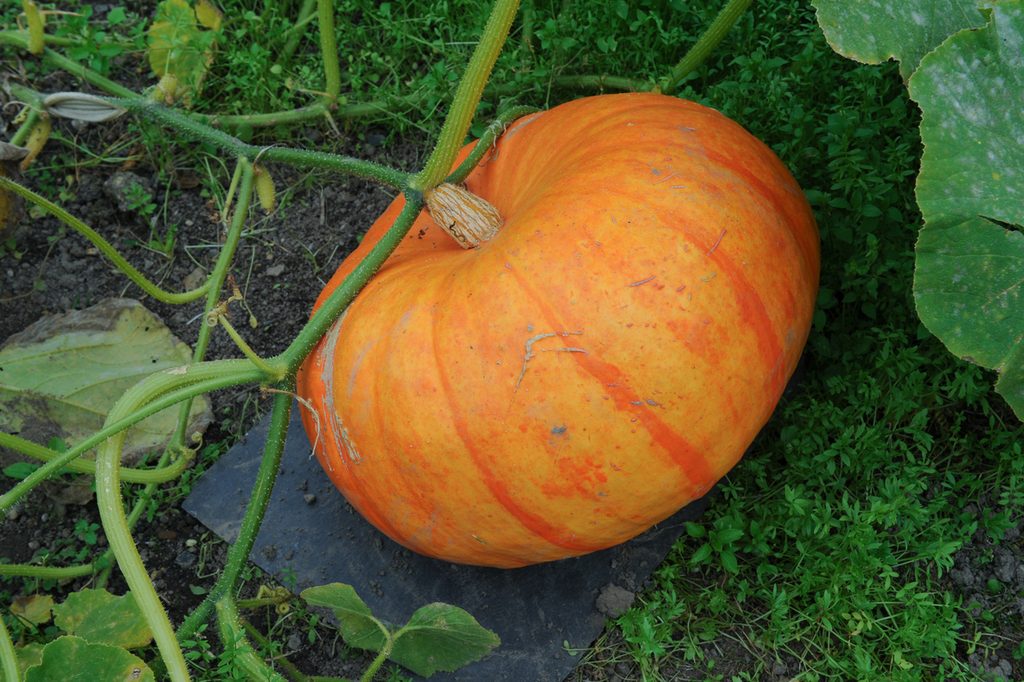
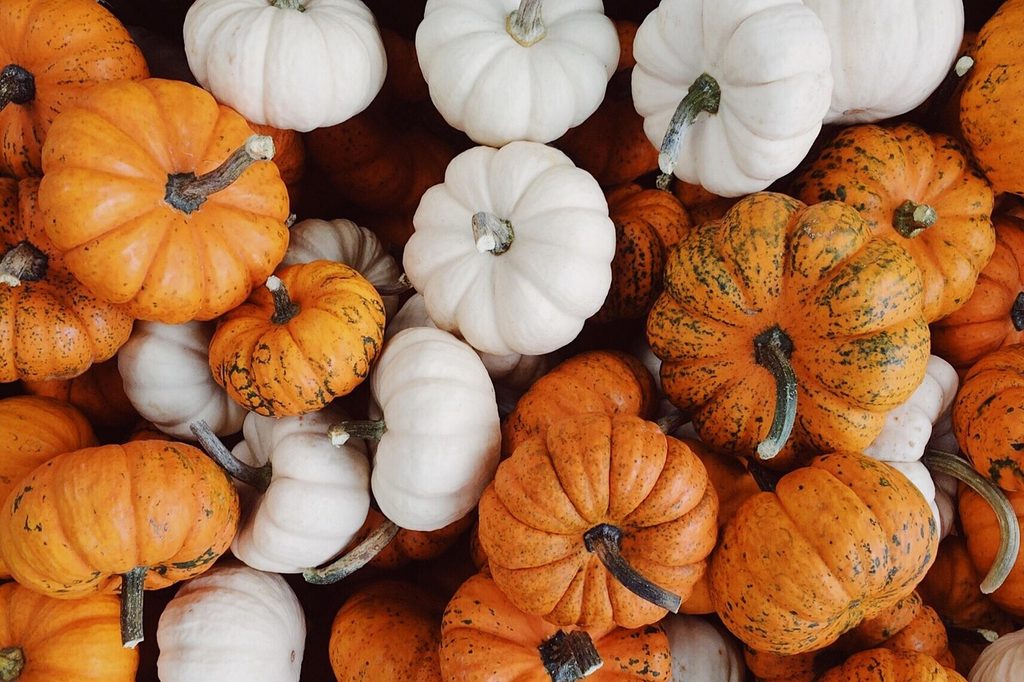
Smaller pumpkin varieties, such as Baby Boo and Jack Be Little, tend to produce more pumpkins per plant than full-size pumpkin varieties. They can even produce 10 or more pumpkins under the right conditions. People typically use these pumpkins as decorations, as their small size makes them difficult to carve or eat.
Pie pumpkins are typically smaller as well, although not quite as small as mini pumpkins. To make the most of your space, consider a smaller pie pumpkin like Sweet Lightning or Small Sugar or a pumpkin like Tiger Striped, which is edible but not often used for pies. When it comes to larger decorative pumpkins, look for high-yielding varieties. Crunchkin, Field Trip, Specter, and Cronus are good choices.
Do pumpkins come back every year?
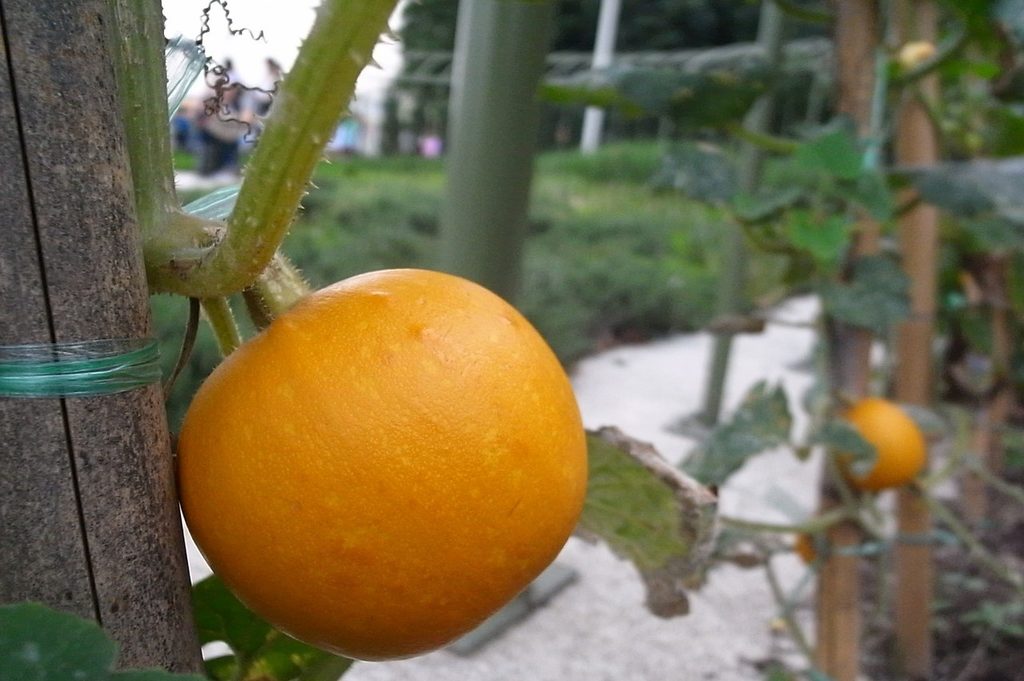
So far, we’ve been discussing yearly yields for pumpkin plants, but what about their yields over their entire lifetime? Well, the numbers are actually the same, because pumpkins are annuals. After they produce fruit, the pumpkin vines will begin to wither and die. They will not regrow next year. However, you can still make use of the plant! Once you harvest the pumpkins, you can pull the vines up, cut them into smaller pieces and compost them. Like all organic material, pumpkin vines can provide plenty of nitrogen and other nutrients to your soil.
Pumpkins are delicious and decorative, and growing your own can be incredibly fun and rewarding. Now that you know how large of a harvest you should expect, you’re better prepared to go into the fall season with confidence. Even better, you’re armed with tactics to increase your yield, so you can maximize your harvest without maximizing your space!