If you have a woodland or cottage garden design in mind, some of the best flowers you can pick for your spring landscape are primroses. While they aren’t exceptionally high maintenance, primroses benefit from thoughtful care, especially when it comes to shade and water. With a smidge of patience and some mindful tending, you’ll receive the reward of soft, vibrant blooms during springtime. Learn how to achieve just that by reading ahead.
What to know about primroses
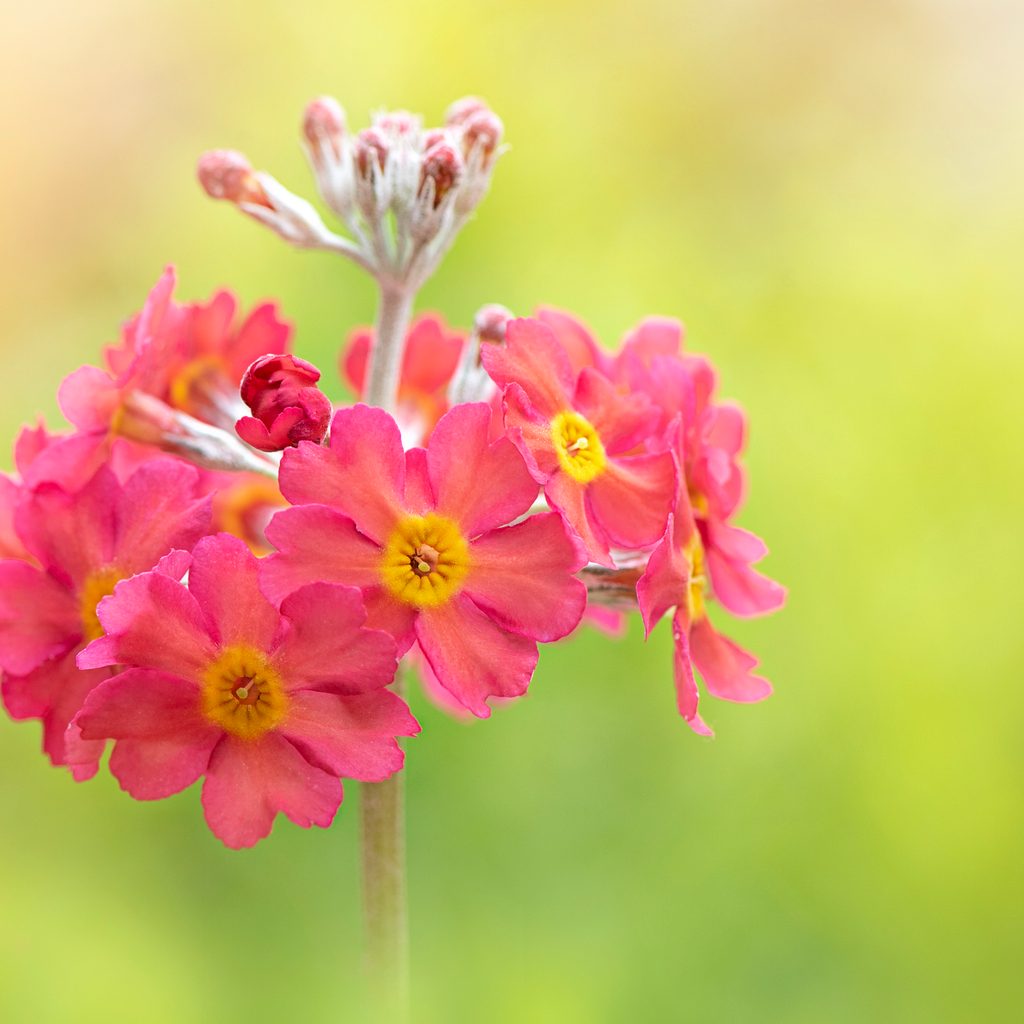
Many primroses, especially hybrids, do best in zones 5 through 7, but primroses, in general, can be hardy anywhere from zones 2 through 8. In fact, they can make for lovely potted houseplants in most places under the right conditions. Relatively low-growing plants, primroses feature small, round flowers with dark green leaves on hardy stalks. They come in a wide range of colors, including pink, white, orange, yellow, blue, and purple — there are over 400 species with plenty of hybrids and cultivars to choose from. Many varieties have contrasting color eyes, or centers, which make them attractive flower bed blooms.
How to care for primroses
Primroses have specific needs when it comes to their care. Here are the ins and outs of primrose care for lush and productive blooms.
- Sun: Primroses are primarily woodland plants, so they don’t particularly need full sun to thrive; in fact, they do best in partial shade. However, many primroses are relatively tolerant of full sun, as long as you remember to water them consistently in this environment. If you keep your primroses as potted indoor plants, leave them by a north-facing window rather than a southern window that gets direct light.
- Temperature: These plants do well in cool temperatures, ideally a 50 to 65 degrees Fahrenheit range — anywhere above 80 degrees Fahrenheit is too hot for these delicate flowers. Many primroses can tolerate frost, but consider overwintering yours indoors or offering physical protection with a cold frame if you get severe freezes.
- Water: Primroses are rather thirsty plants. While you never want the soil sopping wet, it should be well watered. Remember that primroses can decline quickly if their soil dries out completely, so always keep your soil adequately moist.
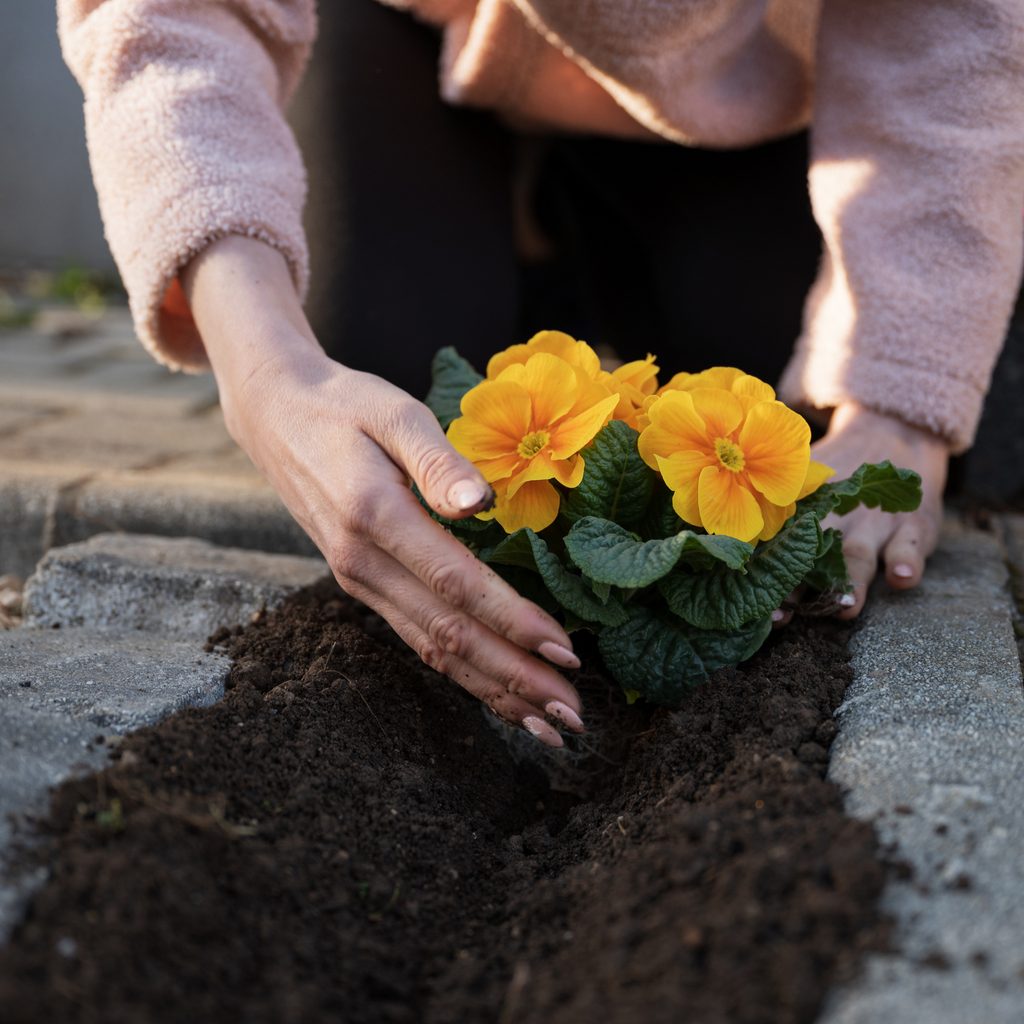
- Fertilizer: When you plant your primroses, you can amend them with compost at the beginning of the growing season. Throughout the spring and summer, it can also be helpful to feed your plants with a balanced or bloom-boosting fertilizer. Hybrid and double primroses are especially heavy feeders that benefit from a consistent fertilizing schedule. And for these, a bimonthly or monthly cadence should be sufficient depending on your fertilizer strength.
- Soil: A well-draining yet moisture-retentive soil works wonders. Primroses do best in slightly acidic soil, but some varieties like an alkaline-growing medium. If you live in a warmer area, you should keep your primroses mulched throughout the summer to keep their roots cool.
- Pests: Primroses can attract pests, such as aphids, weevils, mealybugs, and thrips, which you can treat with insecticidal soap and horticultural oils.

What to know about blooming primroses
How do you keep primroses blooming?
Primroses are prolific bloomers and can bloom until the middle of the summer or whenever heat or cold pushes them into dormancy. In the summer, you can prolong their blooming period by mulching them to keep them cool and by deadheading spent blooms. Note that it might be tricky to get primrose houseplants to rebloom indoors.
Do primroses come back every year?
Primroses can come back if they’re perennial to your region. In fact, they can grow expansively under the right conditions. Every few years, plan on dividing your primroses to revive them; they tend to multiply fast and grow in clumps. The best time of year to divide primroses is after they flower. Also, remember primroses are self-seeding, so they can push out seeds for new plants if you don’t deadhead your blooms.
What do you do with primroses after they flower?
After your primroses flower, remove any spent blooms and leaves. Double primroses (which have extra petals) also benefit from a fertilizer application after flowering, as the blooming process takes up a lot of energy from the plants. Feeding your plants after they bloom encourages healthy leaf growth. If you decide to divide your primroses, you can move them to a shady area after they bloom. Mulch them and water them to keep their roots hydrated until the end of summer. Come fall, you can bring them out to a brighter region of your garden.
Furnish your woodland or cottage landscape with primroses. These dainty flowers have specific needs, but they make for reliable borders and beds once you figure out how to keep them happy. To get your primroses off on the right foot, start by placing them in a shady location. Then, with consistent watering and a rich, well-draining growing medium, you should get the reward of vigorous blooms and leaves in no time.