
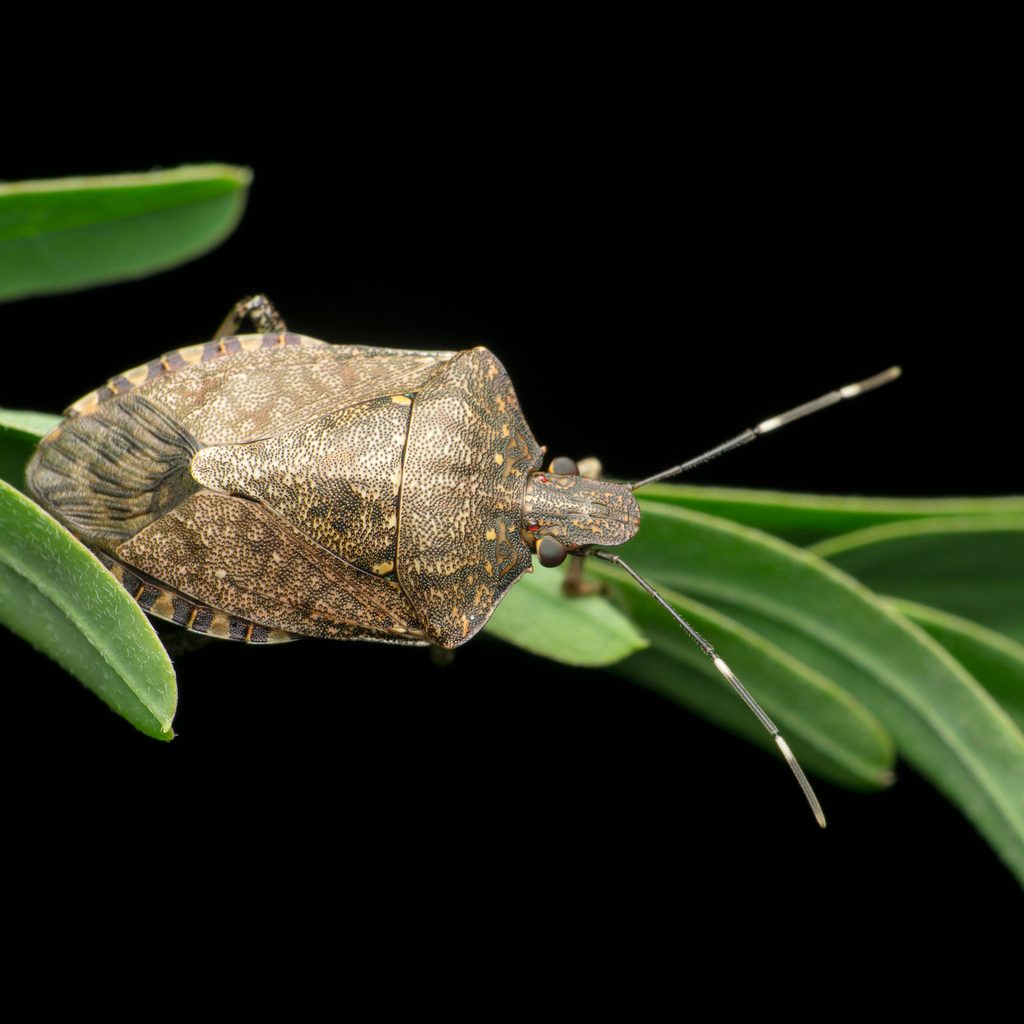
Stink bug: A pest with a name like that isn’t one you want to mess around with. Related to bed bugs and brownish-gray in color, stink bugs come in a shield shape and measure about half an inch long. But it’s not their appearance that makes them particularly special. If you’ve been so unlucky to inadvertently squish or alarm a stink bug, you’ll know that this triggers it to release a pungent smell.
Unfortunately, stink bugs also reproduce quickly and wreak havoc in the garden; often feeding on plant leaves, stems, and flowers. Pesticides rarely work on these pesky pests, so what does? Learn how to get rid of stink bugs once and for all.
How to get rid of stink bugs in the garden
Whatever you do, don’t give in to the urge to stomp or squash on a stink bug. Luckily, in most cases, you won’t have to call an exterminator or use insecticides that might harm kids or pets. You can usually control these smelly pests with a few simple tools from your garden center or even with items in your home. Here’s how you can get rid of stink bugs fast.
- Use dish soap and water. The dish soap pest control method is probably the easiest and least involved. All you have to do is mix a few generous squirts of dish soap with a cup of water to create a soapy solution. Tap the branch or leaf with the stink bug, and then let it drop into the soapy solution. You can also spray the solution directly onto the bug. Soap impairs the bug’s exoskeleton, and it essentially drowns.
- Apply neem oil. A neem oil solution, either one you make or one you buy ready-made, can disrupt the stink bug’s feeding and mating cycle. In most cases, neem oil, as well as other insecticidal soaps, only work on young nymphs, so it can be a slow process to get rid of stink bugs. If you’re making your own neem oil to spray onto impacted foliage, mix 2 tablespoons of neem to 1 liter of water and use a few drops of dish soap as an emulsifier. (Bear in mind that neem oil itself has a divisive garlicky and nutty odor!)
- Grow a plant that attracts beneficial predators that feed on stink bugs. Tachinid flies take to dill and parsley, while parasitic wasps appreciate small flowers. If you use beneficial predators to eliminate stink bugs, make sure not to use any pesticides or insecticidal soaps that could harm them.
- Use a decoy plant. A more involved method for getting rid of stink bugs is to use a decoy plant or a plant that they love, but you’ll only use it for the sole purpose of trapping the bugs. Some plants that especially attract stink bugs include sweet corn, sunflowers, and okra — in general, these bugs are attracted to fruits and veggies. You want to trap the stinks bugs and place a plastic bag over the entire plant.
What keeps stink bugs away?
Stink bugs can be difficult to manage once they reproduce, so prevention keeps their numbers in check. Here are a few measures that keep your garden stink bug-free during the growing season.
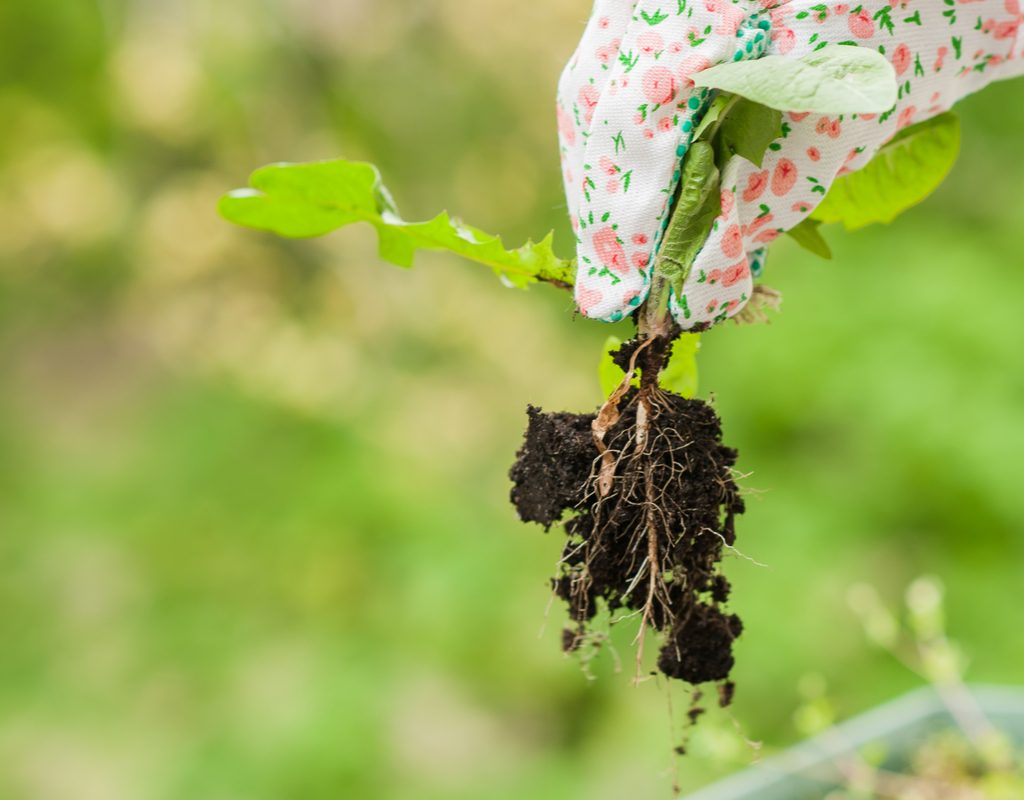
- Remove weeds, overgrowth, and debris to prevent them from having hiding spots. Stink bugs make a habit out of living beneath dead leaves and tree bark, which makes them hard to detect. They also lay eggs on long grass and weeds, so clean your garden to keep their numbers down.
- Add physical barriers like row covers. Around the start of the growing season, set up row covers to keep stink bugs from harming your crops. And speaking of physical barriers, remember to block out nooks and crannies that allow stink bugs to sneak into your home to overwinter. Protect your home by using door sweeps and sealing cracks with caulking.
- Spray kaolin clay onto your crops. Mix a solution of 3/4 cup of kaolin clay to 1 liter of water, and then spritz it onto your plants to keep stink bugs away. Kaolin doesn’t harm your crops and may actually even encourage photosynthesis. What it does do is repel stink bugs and prevent them from feeding on your plants.
- Grow companion plants. Perhaps ironically, stink bugs hate strong fragrances, so plants with intense smells — think garlic, lavender, thyme, and catnip — usually repel them.
Sure, stink bugs aren’t the worst garden pests. But while they don’t bite, they can destroy crops and unleash a rank odor. Luckily, managing a stink bug situation can be as easy as mixing dish soap with water. And to make sure your extermination efforts aren’t in vain, take preventative measures, such as cleaning your garden, adding physical barriers, spraying on kaolin clay, and growing pest-repellent companion plants. With patience and perseverance, you can cultivate a fresh-smelling garden devoid of menacing stink bugs.