  1. Home
  2. Gardening
  3. How tos

Growing cocoa plants in the U.S. is difficult (but not impossible): What we know

Grow a cacao tree at home with these tips

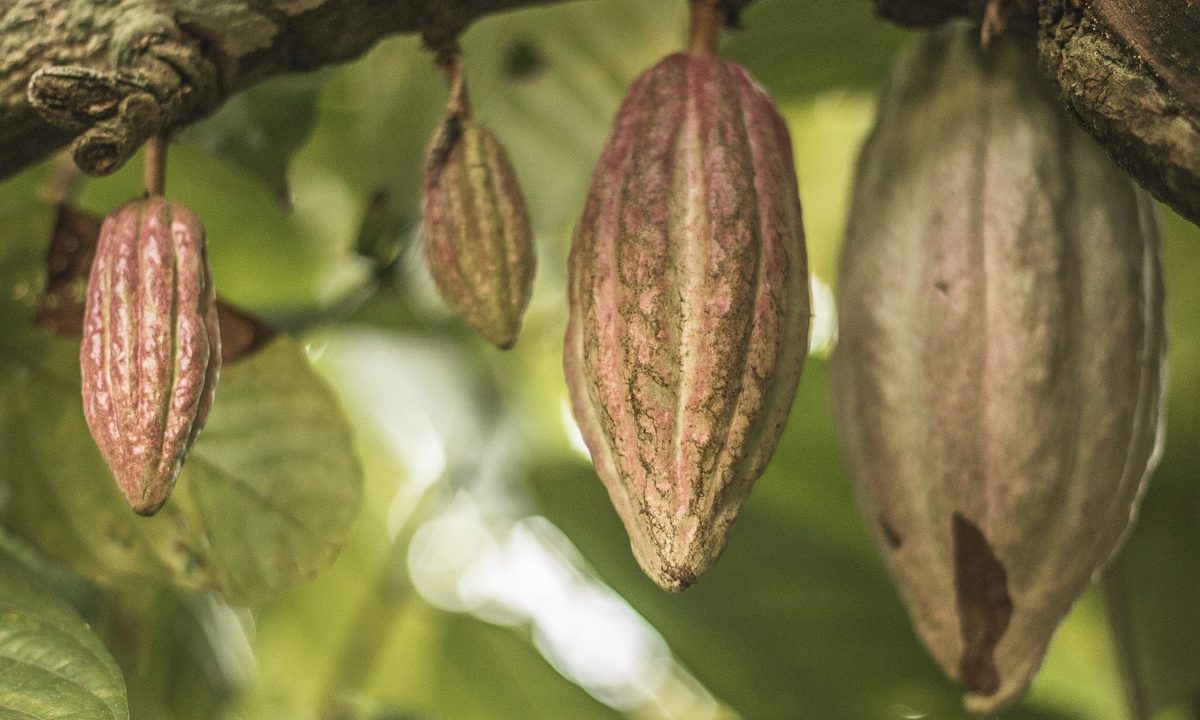
Four cacao pods hanging from a tree
Image used with permission by copyright holder

Chocolate is a delicious treat. It makes a perfect holiday gift, but you don’t need to wait for a special occasion to enjoy it. The popularity of chocolate leaves some people wondering if they can grow a cacao tree at home to make their own chocolate. It isn’t easy, but with patience and effort, you can grow your own cocoa plant — and even make chocolate at home! Here’s what you need to know.

Recommended Videos

Difficulty

Hard

Duration

1 hour 30 minutes

What You Need

  • Rich, loamy soil

  • Compost

  • Greenhouse

  • Balanced fertilizer

  • Container

  • Towel

  • Tray or baking sheet

  • Oven

  • Blender

  • Additional flavorings (milk, sugar, spices - optional)

An orange cacao pod in a tree
Image used with permission by copyright holder

What is a cocoa plant?

A cacao tree, also called a cocoa plant or chocolate plant, is a 15- to 25-foot-tall tree native to the tropics of South America and Central America. The trees reach maturity at around five years, and they produce large fruits called pods. The white flesh of the pod is tangy and a little sweet, often compared to other tropical fruits like mangos or pineapples. Chocolate is made from the seeds, which break into smaller pieces called nibs.

Their tropical native environment is difficult to recreate in most parts of the U.S. without a greenhouse. Some areas, like Hawaii and Florida, can grow cacao trees outdoors. If you live further north, you’ll either need a greenhouse or a room in your house with a 15-foot ceiling.

A person holding a raw, open cacao pod
Image used with permission by copyright holder

Caring for a cacao tree

If you’re determined to grow a cocoa plant, here’s what you need to know:

Step 1: Plant your tree in rich, loamy soil.

Adding compost to your soil can help.

Step 2: Make sure your tree gets morning sun and afternoon shade.

Cacao trees’ leaves can scorch in direct sunlight. Filtered light or mixed sun and shade are ideal.

Step 3: Keep it out of the wind.

Step 4: Place your tree in a hot, humid location.

A greenhouse is ideal for this, but anywhere with a temperature between 65 and 80 degrees Fahrenheit and high humidity will work.

Step 5: Give your tree 1 to 2 inches of water weekly.

Step 6: Fertilize with a balanced fertilizer during the spring.

A roasted cacao pod and roasted beans
Image used with permission by copyright holder

Can you make chocolate at home?

If you have cacao pods and a space to cook, you can make chocolate. Here’s how:

Step 1: Open the pods.

Step 2: Remove the beans, placing them in a container.

Step 3: Cover the container with a towel and ferment for up to a week.

Step 4: Spread the beans over a tray and roast them for 1 to 1.5 hours at 300 degrees Fahrenheit or until they are dry and dark brown.

Step 5: Remove the shells from the beans once they’re cool.

Step 6: Crush the beans into nibs.

Step 7: Grind the nibs into powder with a blender.

Step 8: Mix the powder with other ingredients to taste.

You can leave the nibs plain for pure, dark chocolate or add milk, sugar, or even spices, like cinnamon. You can also eat the nibs raw or bake them into chocolate bars or pastries.

If you're making chocolate or having delicious fresh cacao fruit is important to you, then growing a cacao tree is well worth the effort! It can be tricky, but it isn’t impossible. With perseverance, you can impress your friends and loved ones with your plant-growing and chocolate-making skills.

Keep Bermuda grass at bay with these lawn care strategies
Tips on keeping unwanted Bermuda grass under control
Manicured Bermuda lawn

Bermuda grass, also known as Cynodon dactylon, is a common type of lawn grass. Its toughness, adaptability, and creeping growth habit attract either appreciation or disdain from the homeowners, gardeners, landscapers, and others who plant it or are invaded by it. While it's hardy nature makes it a resilient lawn grass, its habit of spreading can make it a serious nuisance. Even worse, once it's spread into an area it's incredibly difficult to get rid of. If Bermuda grass is spreading into your lawn from the surrounding area or you've just moved into a new home with a Bermuda grass lawn you'd like to replace, then here are our tips for controlling it.

Read more
Sustainable gardening: Tips for a greener, eco-friendly garden
Make your garden more sustainable with these tips
Cupped hands holding soil and little seedling

Gardening can be a rewarding, fun, and useful hobby, but it can also be challenging at times. If you’re struggling to keep your garden healthy and happy, then it might be time to consider switching to a more sustainable gardening method. Sustainable gardening can make your garden easier to care for, and it’s better for the environment. If you’re wondering about what exactly sustainable gardening is and how it works, then this is the guide for you! We’ll explain what it is and help you get started with some tips and tricks.
What is sustainable gardening?

Sustainable gardening doesn’t have a single concise definition, and it can take many different forms. Unfortunately, that sometimes leaves gardeners (especially beginners) a bit confused. To break it down, sustainable gardening methods focus on the environment, including being mindful of what chemicals or invasive species are being introduced to the ecosystem and trying to mimic the natural conditions of the environment in your garden.

Read more
How to get rid of gnats without harming your plants
Follow these tips and get rid of gnats now
Potted herbs on a windowsill

In most cases, gnats are little more than a nuisance. For gardeners, though, a gnat infestation can spell devastation. While adult gnats don’t damage plants, the larvae will eat roots and leaves. In large numbers, they can cause serious damage. There are many pesticides on the market, but some plants are sensitive to the chemicals in them. Luckily, there are other options for controlling a gnat infestation, so you can save your plants without scorching their leaves. This guide on how to get rid of gnats in plants will explain everything you need to know.

Read more