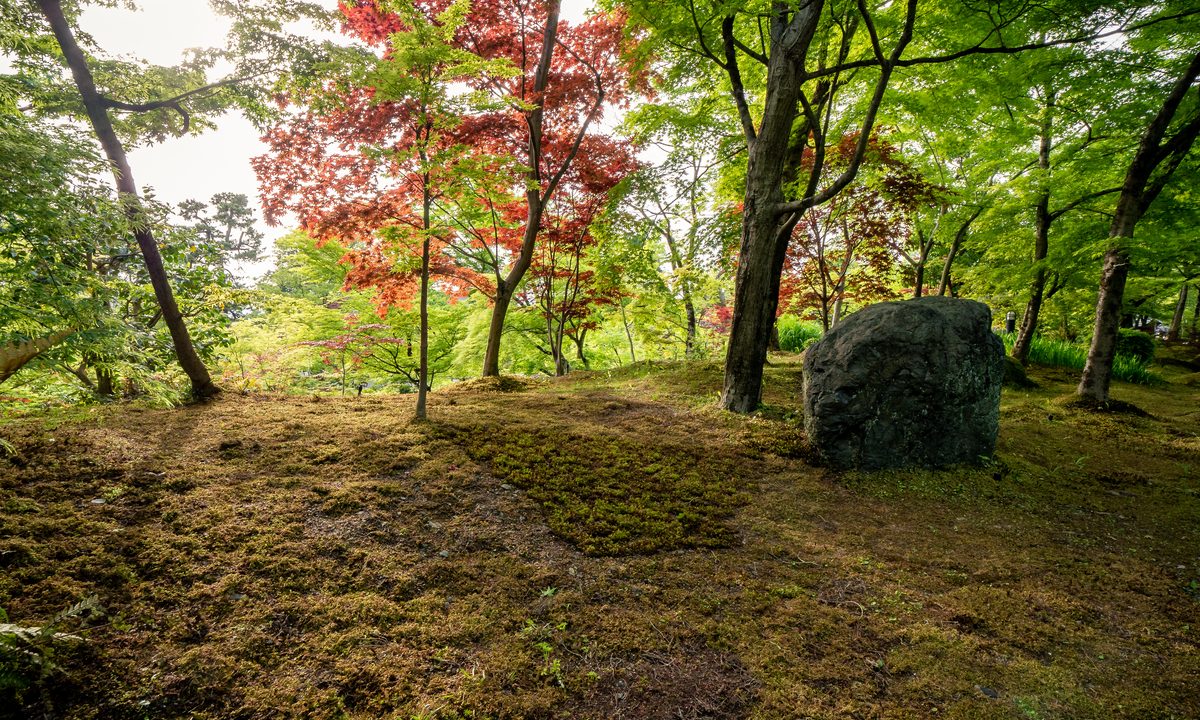
Who says grass is the best groundcover for a yard? Anyone who has struggled with compacted, acidic soil or damp shade just to cultivate a lawn knows that other plants grow better in these areas, and with little or no work. Moss is an excellent example. Conventional wisdom (and many community associations) look down on moss in the yard, mostly because it is seen as a nuisance that impedes the growth of grass. On the contrary, it is simply moving into territory where the unsuitable turfgrass has died out.
Rather than spending so much labor, time, and money encouraging grass to grow in unfavorable locations, maybe it’s time to consider growing a moss lawn. Here are the ins and outs of how to grow moss to add some much-needed greenery to your lawn.

Why is moss better than grass?
Moss offers an attractive, low-maintenance groundcover option. Once established, it requires almost no maintenance. It never needs to be mowed, fertilized, or sprayed for diseases and insects. Along with its fondness for compacted, acidic, and nutrient-poor soils, it is surprisingly adaptable to sunny areas as well as shade. Moss also only needs minimal watering in extreme drought conditions.
It protects the soil like a living mulch
A healthy layer of moss benefits soil conservation and surrounding plant life, and it provides many of the same benefits we expect from grass. It protects slopes from erosion. It absorbs rainfall quickly and slowly releases it into the topsoil where trees, shrubs, and perennials can access it.
It supports wildlife
Those interested in creating backyard habitats for wildlife would do well to include an area of moss because lots of creatures depend on it. Many beneficial insects, including fireflies, raise their young in moss. Some of these bugs serve as food for birds, toads, newts, and other animals. Plus, many birds use moss to line their nests.
Moss is composed of about 12,000 unique species
It’s useful to understand that, like other plant groups, moss includes a diverse variety of species that are adapted to different growing environments. Mosses grow in nearly every ecosystem except the driest deserts. Some prefer sun, others shade. Various types specialize in growing only on soil, rock, or trees. So be sure to choose a soil-dwelling moss species that is adapted to sunlight and moisture conditions in your yard.
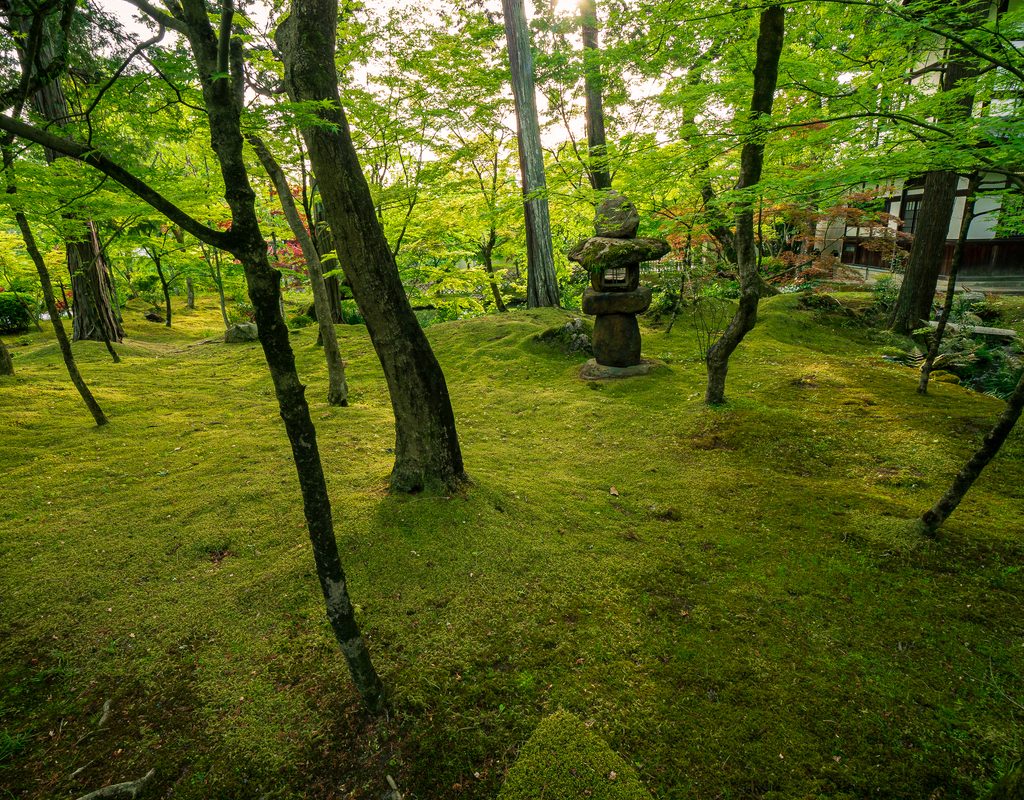
How to grow a moss lawn, part one: investigate your lawn
To grow a moss lawn, begin by investigating your existing lawn. There may already be moss growing beneath the grass.
Step 1: Encourage the native moss to grow and spread by pulling out the grass, little by little. If you have well-established mossy areas in the lawn where grass has thinned out, simply pulling out the grass and weeds will encourage the moss to spread.
Step 2: Remove grass and weeds both in the middle and at the perimeter of the moss patch.
Step 3: Discontinue your grass maintenance routine, including irrigation. Mist the moss once or twice a week during periods of dry weather.

How to grow a moss lawn, part two: plant new moss
If the lawn is mostly made up of healthy grass with little or no moss, remove grass, weeds, and other vegetation to prepare for planting moss. It can take a full growing season for newly planted moss to become established, and buying live moss can get pricey, so it may be best to start with a small area of less than 1,000 square feet.
Step 1: Moss requires acidic soil to thrive. Test your soil pH and add soil amendments, if needed, until the pH is about 5.5.
Step 2: Acquire moss that is adapted to the growing conditions in your yard. Planting several different species adds to the resiliency and visual appeal of the landscape. Source fresh moss either from your own property, a neighbor’s yard, or buy it from a nursery.
Step 3: Do not purchase dried crafting moss, as it will not grow. Also keep in mind that collecting moss from public areas, including parks, nature preserves, and other areas, is almost always against the law.
Step 4: Plant the moss in moist, bare soil.
Step 5: Rake the soil to remove any debris and loosen it slightly.
Step 6: Moisten the soil surface.
Step 7: Place the mats or pieces of moss on the soil, firmly press into the soil, and water lightly.

How to grow a moss lawn, part three: maintenance
For the first growing season, a bit of care will be required to help the new moss lawn become established.
Step 1: Avoid walking on the moss other than in bare feet or flat shoes. Mist it as needed to keep it from drying out. Remove any weeds that appear.
Step 2: After a few months, the moss may seem to “bloom.” What appear to be tiny flowers are actually sporophytes, the reproductive parts of moss. This is a sign of maturity and an indication that the moss is well established. At this point you can discontinue nearly all care other than occasional misting during drought.
It can be a bit of a process to either replace your existing lawn with moss or add new moss to bare patches of your yard. However, when you begin to realize the many benefits of moss, you’ll wonder why you didn’t convert your lawn earlier.