
  1. Home
  2. Gardening
  3. Evergreens

Hardening off your seedlings as you bring them outside is crucial – here’s how to do it

Tips to help you successfully transplant your seedlings

Add as a preferred source on Google
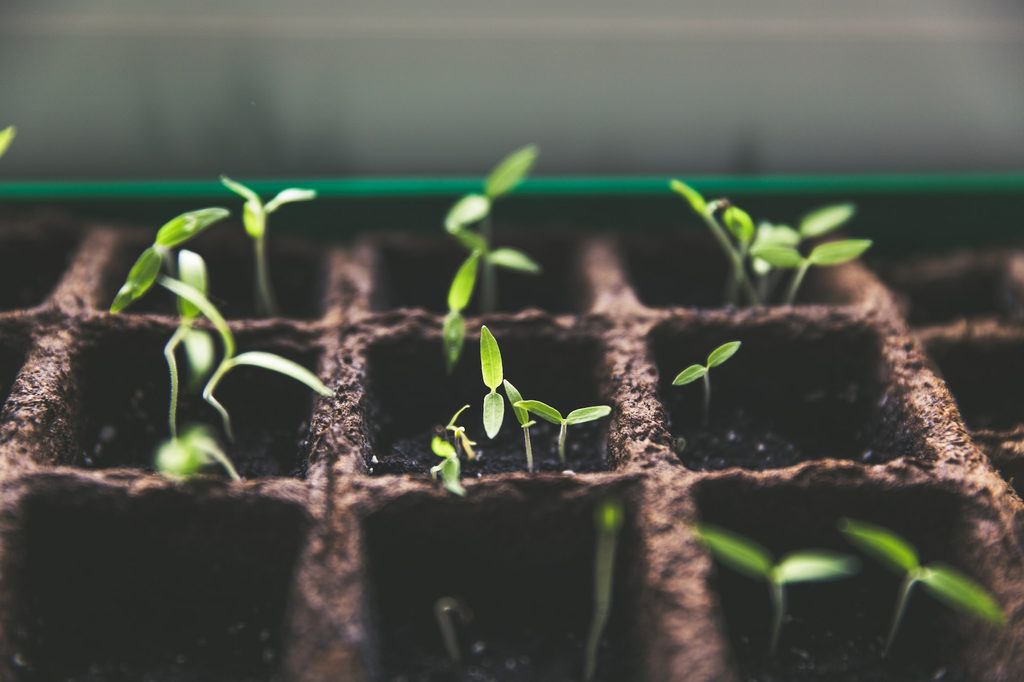
Seedlings in plant tray
Markus Spiske / Unsplash

Even gloomy winter days can’t stop enthusiastic gardeners. Unsurprisingly, many avid gardeners start their plants indoors when cold temperatures and unpredictable precipitation bar them from directly sowing their seeds outside. Still, the last frost date eventually comes around, and that’s when it’s time to bring those baby seedlings outside. Transporting seedlings outside is a simple process, but it still requires savvy coordination to prevent unwanted transplant shock. To help you keep your plants happy and healthy as they situate outside, we’ll show you how to harden off seedlings.

What does hardening off seedlings mean?
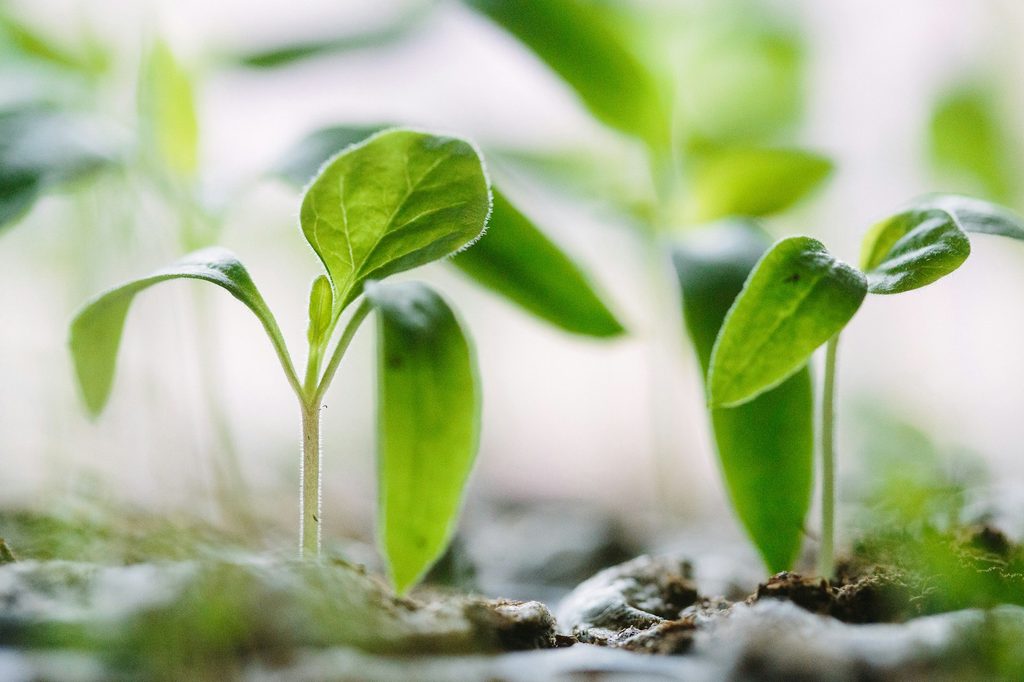
Growing seedling
Francesco Gallarotti / Unsplash

After spending a few weeks in your cozy home, it can take your seedlings some time to get used to an outdoor environment. The concept of hardening off your seedlings is simple, really. About two weeks before you plan on placing your plants in the ground, slowly expose your tender seedlings to outdoor conditions, whether your climate features sunny, rainy, or windy weather.

Recommended Videos

To do this, you’ll want to bring your seedlings out on warm, sunny days and leave them in a shady area until nightfall. As the days pass, continually leave your plants out for longer periods of time (about an hour or two more each day) until you feel comfortable leaving them outside overnight. Gradually, you can also expose them to sunnier conditions if they need it.

Your seedlings should be about a few inches tall and have established leaves before you bring them outside. Ideally, the best time to start most seeds is about four to six weeks before the last frost. Even after the last frost, consider waiting for a few days or weeks before bringing your plants outside — temperatures should be at least 45 degrees Fahrenheit.

Tips for successfully hardening off your seedlings

Cupped hands holding soil and little seedling
FabrikaSimf / Shutterstock

For the most successful crops possible, here are a few more pointers on how to transition your seedlings to outdoor conditions.

  • Water your seedlings less frequently as you harden them. Overwatering can lead to issues such as fungal growth and root rot, which can hurt young plants.
  • Consider using a cold frame to acclimate your seedlings to outdoor conditions. You can open cold frames during the daytime and close them during the nighttime.
  • Leave your seedlings on a table or elevated surface to avoid pest damage.
  • Always keep an eye on the weather, in case any unexpected rain or cold snaps occur. Should you face extreme weather, bring your plants inside until outdoor conditions stabilize.
  • If you have established plants that you’ve brought inside for the winter, they will also benefit from a hardening off process.

Bringing your seedlings outside can be an exciting process, but be sure not to rush it. While hardening off your baby plants can take some time, it will all be worth your effort when you enjoy healthy, robust crops down the line.
How often should you water your grass seeds for the best results?
Tips for watering grass seed to get the lawn of your dreams
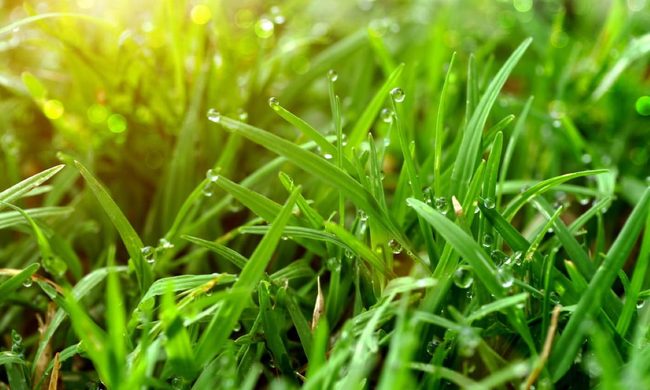
Grass with dew on it

A beautiful, lush green lawn is something that many homeowners strive for, but sometimes cultivating that lawn can be quite the headache. Getting your seeds to germinate and grow into thick, healthy grass requires balancing all of its needs. For such a simple plant, grass sure does need a lot of attention! Watering, mowing, dethatching, aerating, and reseeding your lawn can take a while to figure out, but it's easier with the help of a guide.

Read more
Pruning basics: What it is and how to do it right
How to prune your trees and shrubs
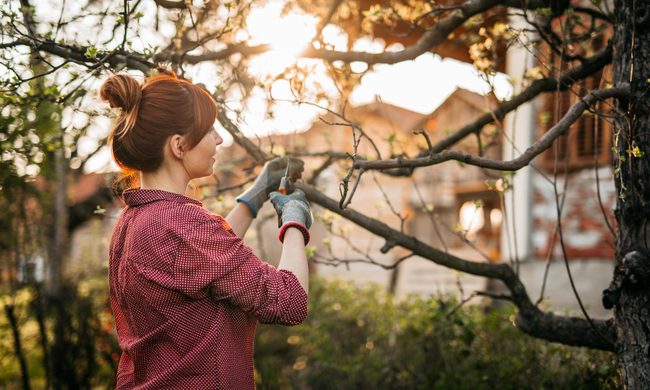
Person pruning a tree

What you need to do to keep a tree or shrub healthy can depend a lot on the type of tree or shrub, but something that is almost always the same is pruning. While there are a few small variations from plant to plant, the basics of pruning are mostly the same no matter what you’re growing. If you’re a beginner, you might have a few questions. What is pruning? How often should you do it, and in what season? Don’t worry, we’ll answer these questions and more in this guide to the basics of pruning.
What is pruning?

Pruning is the process of removing certain branches from a plant. Cutting your plant might sound intimidating, but pruning is actually important for maintaining the health of your trees and shrubs. The primary branches that are removed are those that are dead, dying, damaged, diseased, or at risk of becoming damaged. Branches at high risk are usually those that are growing too close to another branch or a structure of some kind. If the branches rub against each other too much in the wind, the friction can damage the bark. This leaves them vulnerable to pests and fungal infections.

Read more
Vinca minor as ground cover: Here’s what you should know
Is Vinca minor right for your lawn? Here are the pros and cons
Purple periwinkle (Vinca minor) flowers

People are starting to look for alternatives to grass lawns, whether it's because they’re easier to maintain, better for the environment, or just more attractive. From Irish moss lawns to creeping thyme, there are plenty of interesting plants you can grow as a ground cover. One popular grass alternative is Vinca minor, also known as common periwinkle. It offers many benefits, but it isn't a perfect plant for everyone. How do you know if a Vinca minor lawn is right for you and your home? We'll walk you through all the pros and cons of growing Vinca minor as a groundcover so you can make the best choice for yourself.
Pros of Vinca minor as ground cover

Vinca minor provides several benefits as a ground cover. It’s low maintenance and tolerates drought, sun, and shade. This is also a low-growing plant, which means you don’t need to worry about mowing it to keep the height down. It also grows quickly and vigorously, spreading to fill your entire lawn. It will spread to fill in empty patches, helping repair damaged sections and letting you save on seeds.

Read more