  1. Home
  2. Gardening
  3. How tos

These easy DIY squirrel-proof bird feeders for your garden will keep unwanted visitors out

How to make your bird feeder squirrel-proof

Add as a preferred source on Google
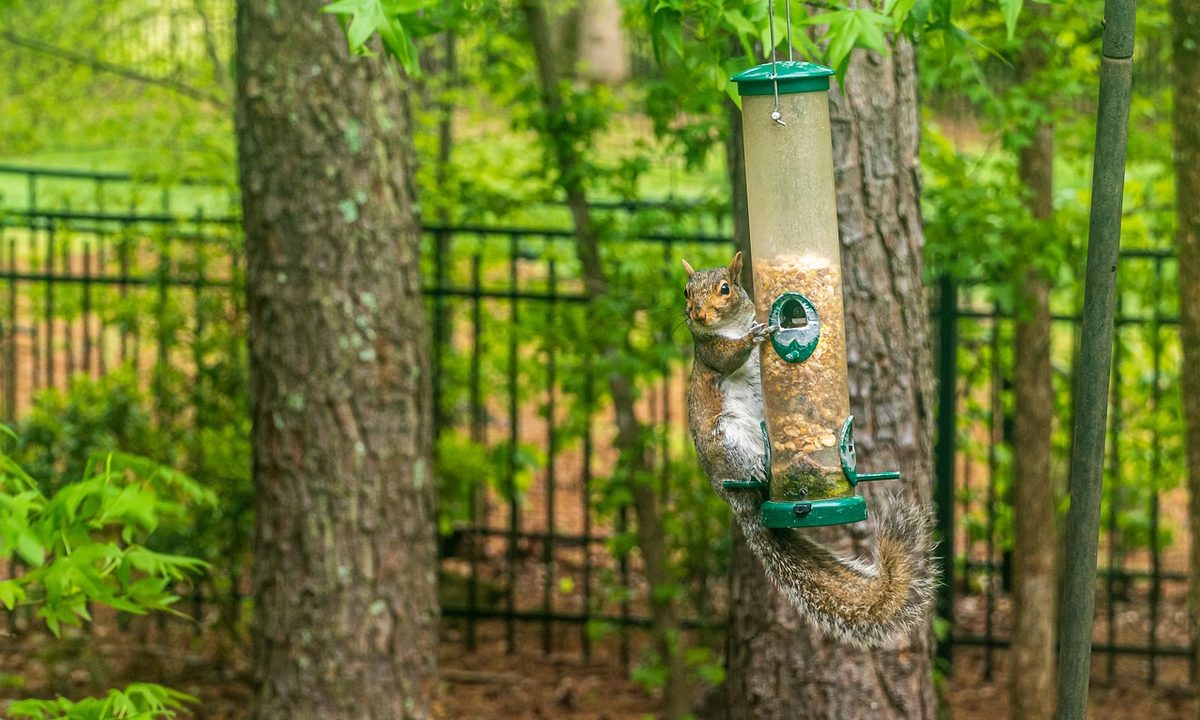
A squirrel eating out of a hanging bird feeder
Image used with permission by copyright holder

Setting out bird feeders to support your local birds is a great way to improve the health of your garden. Other animals enjoy bird feeders too, especially squirrels. We can’t exactly blame them — squirrels eat many of the same things birds do, and your yard is their home as much as it is the birds'. If they’re not leaving enough for the birds, or if they’re getting too close to your home for your liking, then here’s how to make squirrel-proof bird feeders.

Recommended Videos

Difficulty

Easy

Duration

1 hour

What You Need

  • Thin wire, clothesline, or string

  • Scissors or knife

  • Plastic bottles

  • Flexible metal or plastic, metal bowl, or large plastic bottle

  • Bracket, clamp, zip ties, or nail

  • Slinky

A small blue bird feeder hanging from a thin wire
Image used with permission by copyright holder

Suspending your bird feeder

Here’s how to make a suspended bird feeder that squirrels can’t reach:

Step 1: Hang a thin wire or clothesline between two trees or poles.

Step 2: Suspend the bird feeder in the middle.

Step 3: Cut the bottoms off of several plastic bottles.

Step 4: String the bottles onto the wire on either side of the bird feeder.

The bottles will roll as squirrels try to walk across them, but birds will have no trouble flying to the bird feeder.

A squirrel eating from a bird feeder
Image used with permission by copyright holder

Creating a baffle

If you already have a standing bird feeder, a conical baffle will keep squirrels away. Here’s how to make your own:

Step 1: Roll a sheet of flexible metal or plastic in a cone with a hole at the top.

The hole should be the width of the feeder pole. Instead of rolling your own, you can also cut a hole in the bottom of a metal bowl or large plastic bottle.

Step 2: Create a small ledge on the pole, at least 5 feet off the ground.

Depending on the material your bird feeder pole is made of, this ledge can be made by attaching a bracket or clamp to the pole, tying zip ties around it, or in the case of a wooden pole, nailing a nail partially into the pole. This ledge will hold the baffle up, so it doesn’t slide to the bottom of the pole. You can choose to attach your baffle directly to the pole, but this will make it more difficult to remove or replace the baffle as needed.

Step 3: Slide the cone down the pole of the bird feeder, so the point is facing upward and the bottom is flared around the pole.

A squirrel climbing the pole of a bird feeder
TheOtherKev / Pixabay

Using a slinky

For a quick fix, here’s how to make a squirrel-proof bird feeder with a slinky:

Step 1: Attach a hook or clip to the top of the bird feeder pole.

Step 2: Tie or clip the top of the slinky to the hook or clip.

When the squirrel climbs up and hits the slinky, it will extend, lowering the squirrel back to the ground.

Squirrels eating from a bird feeder aren’t always an issue, but if the ones in your yard are a nuisance then these squirrel-proof bird feeders can help. These techniques can even help keep other animals out, such as raccoons or cats. If the squirrels aren’t causing other issues, though, you might want to consider just refilling your bird feeders more often or setting out extra feeders. Squirrels are native wildlife, too!
13 shrubs perfect for wet soil conditions
These shrubs are perfect for wet soil
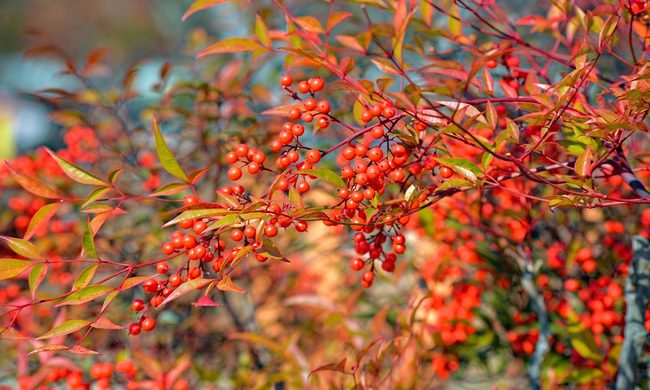
A winterberry holly shrub in autumn

Have you ever heard of a plant not liking wet feet? It's true; some plants don't like their roots to be soaked for too long. Many plants won't thrive or will even die in overly wet conditions. This can make gardening difficult if your yard is naturally wet. Luckily, there are plants suited for every condition, even wet soil! In this guide we'll explain how wet soil is defined and recommend some plants that like wet soil for you to try growing.

What shrubs do well in wet soil?

Read more
How often should you water your grass seeds for the best results?
Tips for watering grass seed to get the lawn of your dreams
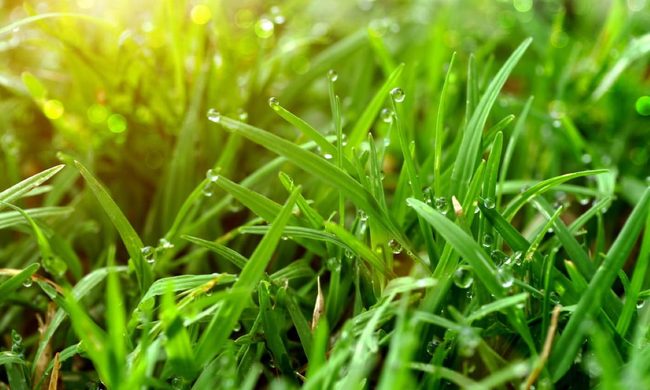
Grass with dew on it

A beautiful, lush green lawn is something that many homeowners strive for, but sometimes cultivating that lawn can be quite the headache. Getting your seeds to germinate and grow into thick, healthy grass requires balancing all of its needs. For such a simple plant, grass sure does need a lot of attention! Watering, mowing, dethatching, aerating, and reseeding your lawn can take a while to figure out, but it's easier with the help of a guide.

Read more
Pruning basics: What it is and how to do it right
How to prune your trees and shrubs
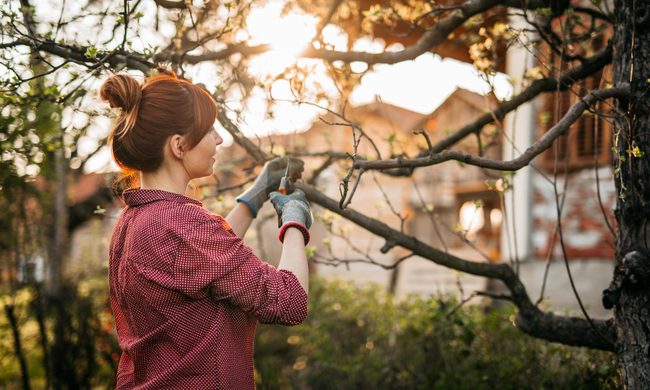
Person pruning a tree

What you need to do to keep a tree or shrub healthy can depend a lot on the type of tree or shrub, but something that is almost always the same is pruning. While there are a few small variations from plant to plant, the basics of pruning are mostly the same no matter what you’re growing. If you’re a beginner, you might have a few questions. What is pruning? How often should you do it, and in what season? Don’t worry, we’ll answer these questions and more in this guide to the basics of pruning.
What is pruning?

Pruning is the process of removing certain branches from a plant. Cutting your plant might sound intimidating, but pruning is actually important for maintaining the health of your trees and shrubs. The primary branches that are removed are those that are dead, dying, damaged, diseased, or at risk of becoming damaged. Branches at high risk are usually those that are growing too close to another branch or a structure of some kind. If the branches rub against each other too much in the wind, the friction can damage the bark. This leaves them vulnerable to pests and fungal infections.

Read more