Starting your own garden can be a deeply fulfilling endeavor. You’ll have immediate access to fresh, healthy fruits and veggies and know exactly what went into growing them. Plus, you can do your small part in helping the planet, as produce transportation can leave a significant carbon footprint. Not to mention, just being out in the garden can be a therapeutic stress buster as you take in the view of foliage and blooms.
With that said, starting a garden can be an intimidating undertaking. For all the gardening novices out there, here’s a guide on how to start a garden from scratch.
1. Learn about your climate zone to pick the appropriate plants
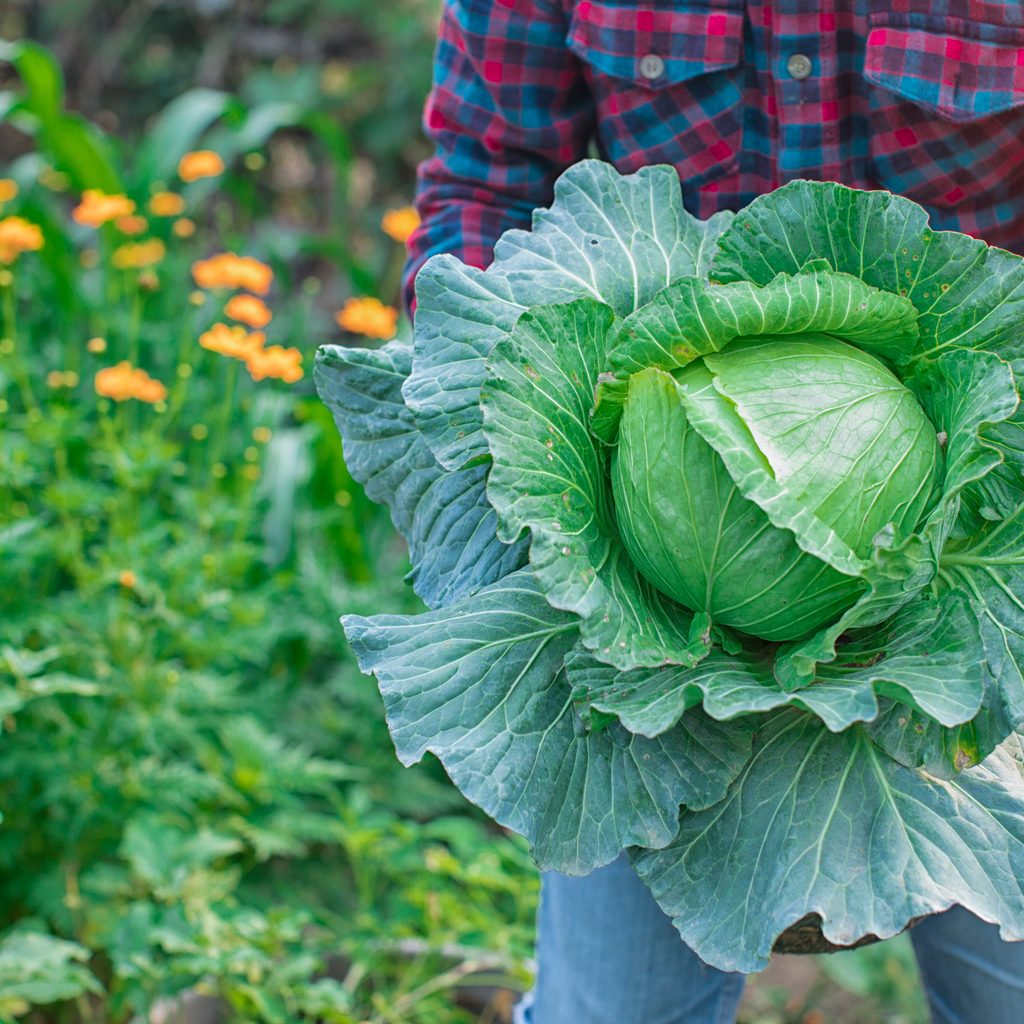
The first step to starting a garden is figuring out which plants can survive in your habitat. Determine where your climate zone is on the USDA Plant Hardiness Zone Map and research the best perennial plants for it. A note on terminology: Perennials are plants that will last more than one growing season in your area, while annuals will not.
If you get a plant that isn’t hardy to your zone, you may need to keep it as an annual or bring it inside for parts of the year. Most vegetables are annuals, which means you’ll grow a new crop each year. Easy fruit and veggie options for beginner gardeners include tomatoes, carrots, green beans, strawberries, peppers, lettuce, kale, and herbs.
It’s also worth looking into plants that are native to your region. Native plants naturally acclimate to your area’s soil and precipitation patterns, so you won’t need to worry about watering and fertilizing. They also tend to bring in local pollinators that help with the rest of your garden.
2. Consider companion plants
If you’re growing fruits and veggies, it’s a good idea to figure out which plants work with them. In general, you want to avoid planting vegetables and fruits from the same family in the same area because they attract the same pests and compete for the same resources.
When you grow nightshades like tomatoes, avoid planting them next to other nightshades, such as potatoes and eggplants. Good companion plants complement rather than compete with your plants and companion plants also introduce pollinators, attract beneficial predators, and improve crop yield.
3. Design your garden layout
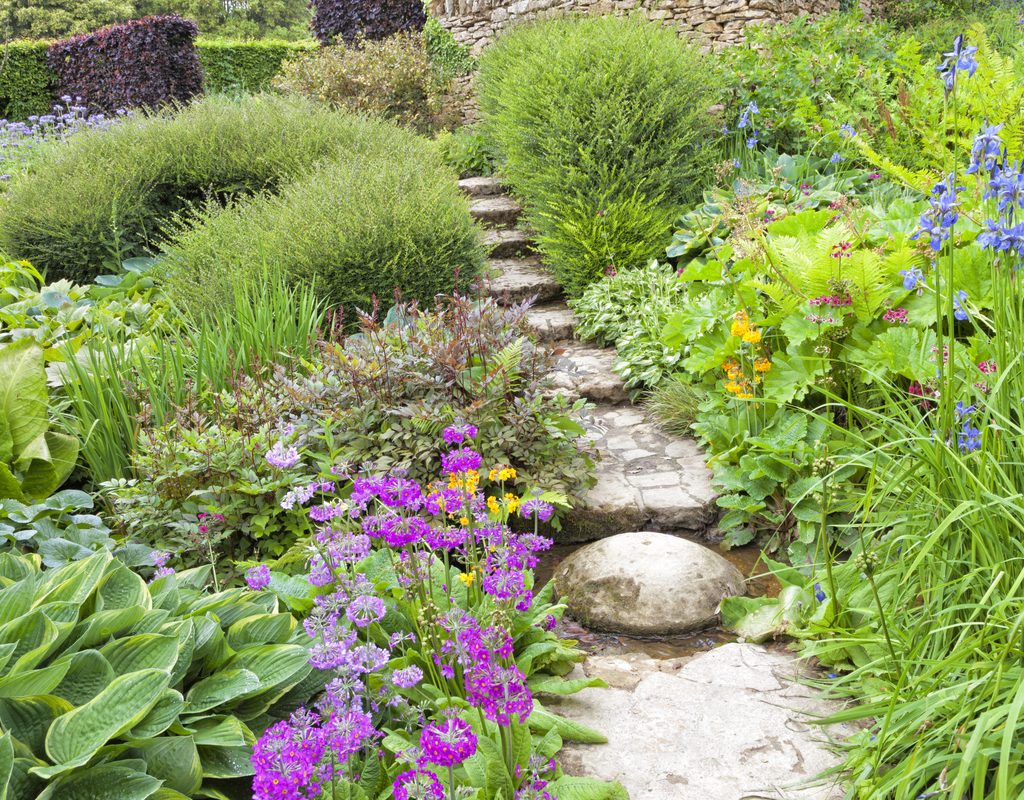
Your garden can be as simple as a few porcelain planters on the balcony. But you can also design more complex gardens, such as rock gardens filled with gravel or cottage gardens with bordering morning glories. Creating a plan for your vision can help you hone into an aesthetic and know what supplies to get.
If you’re designing a rock garden, stock up on landscaping fabric and gravel. If you’re creating a vegetable garden with multiple beds, look for cement blocks and wooden planks at your local hardware store. The recommended size for a beginner vegetable garden is around 4 by 4 feet or 4 by 9 feet — if you’re strapped for space, invest in planters instead.
4. Consider your planting schedule
Your planting schedule is critical for gardening success. If you plan on getting a head start before the last frost, start your seeds inside six to eight weeks before bringing them outside. Ideally, you want to make sure your soil temperature is warm, around the 50s or 60s.
Keep in mind what kind of vegetables you plan to grow and how well they tolerate heat. Heat-sensitive plants (such as lettuce and peas) should be grown around early spring or fall, while peppers can grow during the hotter months. Before permanently setting your plants into a garden bed, harden them off by leaving them outside for a few hours a day for around a week or so.
Don’t want to start your garden from seeds? Check your local nursery for healthy and pest-free seedlings. As these plants tend to be densely packed into nursery pots, repot them in your garden or more spacious planters as soon as possible.
5. Pick the right supplies for your garden
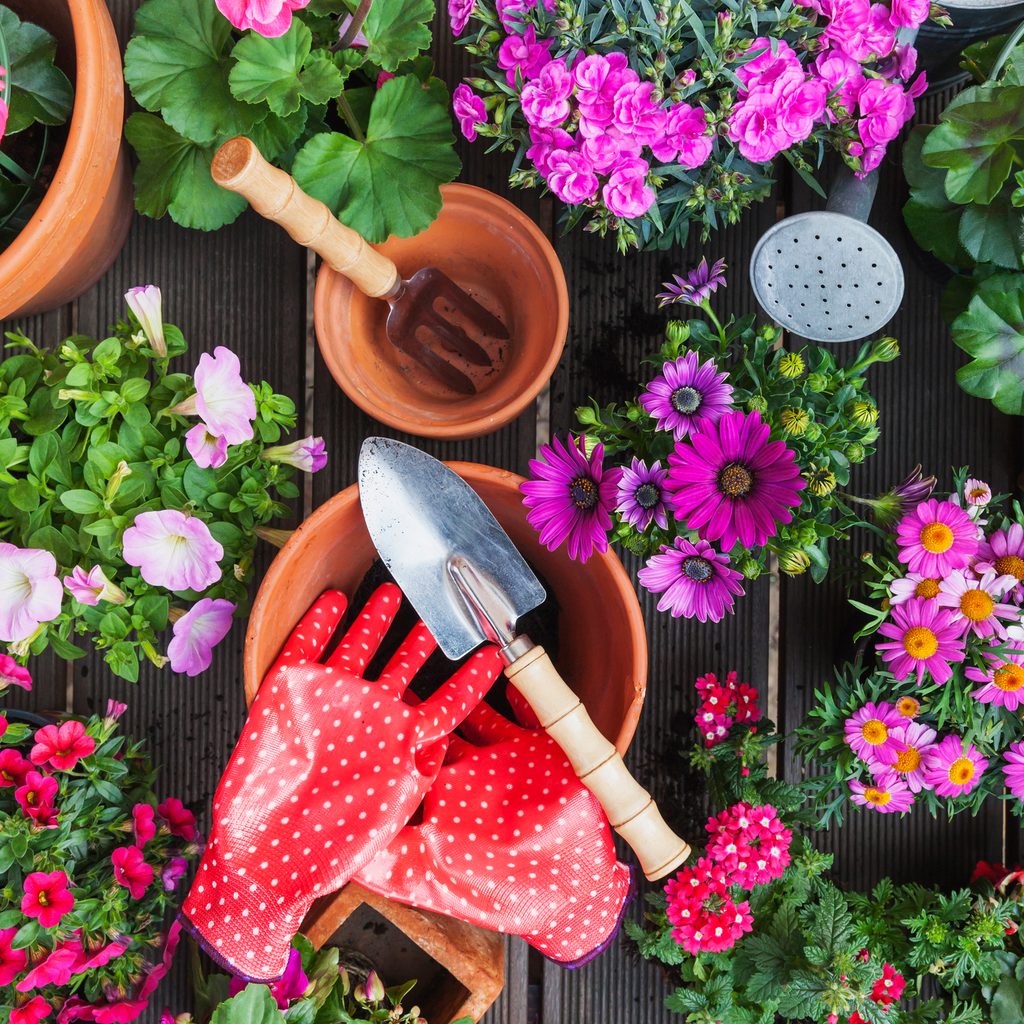
The supplies you need will be contingent on what kind of garden you have in mind. That said, there are basic supplies that most gardeners need. A few essentials to add to your shopping list include:
- Gardening gloves
- Gardening soil
- Shovel
- Trowel
- Planters
- Watering can or hose
- Kneeling pad
- Pruning shears
- Rake
Depending on your specific plants and conditions, you may need to bring in extra reinforcements, such as trellises and row covers.
6. Determine the best location for your plants
Many plants prefer at least 6 to 8 hours of full sun a day, but some may need partial shade or afternoon shade. When planning out where to set your plants, make sure your taller plants or trees aren’t throwing too much shade onto smaller ones, unless they need shade. It’s also a good idea to place your main gardening space next to a water source, such as a sprinkler or hose.
7. Pay attention to your garden soil
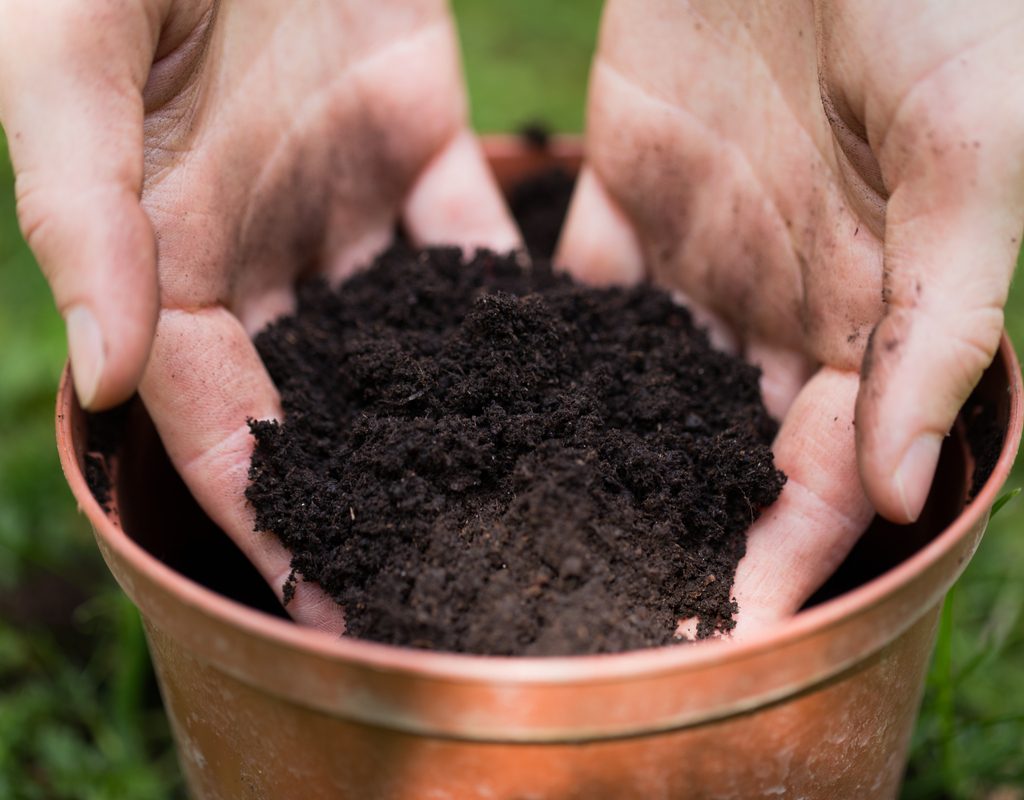
Some plants can thrive in nutrient-poor soil, but many prefer properly enriched soil to grow. Start with well-draining soil and fortify it with nutrient-rich fertilizer, compost, manure, or fish emulsion. If your plants are heavy feeders, you may need to feed them throughout the growing season. In the hotter months, consider dressing your soil with a few inches of mulch to keep it cool and help your soil retain water and nutrients.
Now that you have a general framework for starting a garden, the next step is to start it! Get out some pen and paper to plan your layout and planting schedule, and then go forth and buy some plants and tools. With a bit of legwork and time, you’ll be able to enjoy a beautiful garden before you know it.