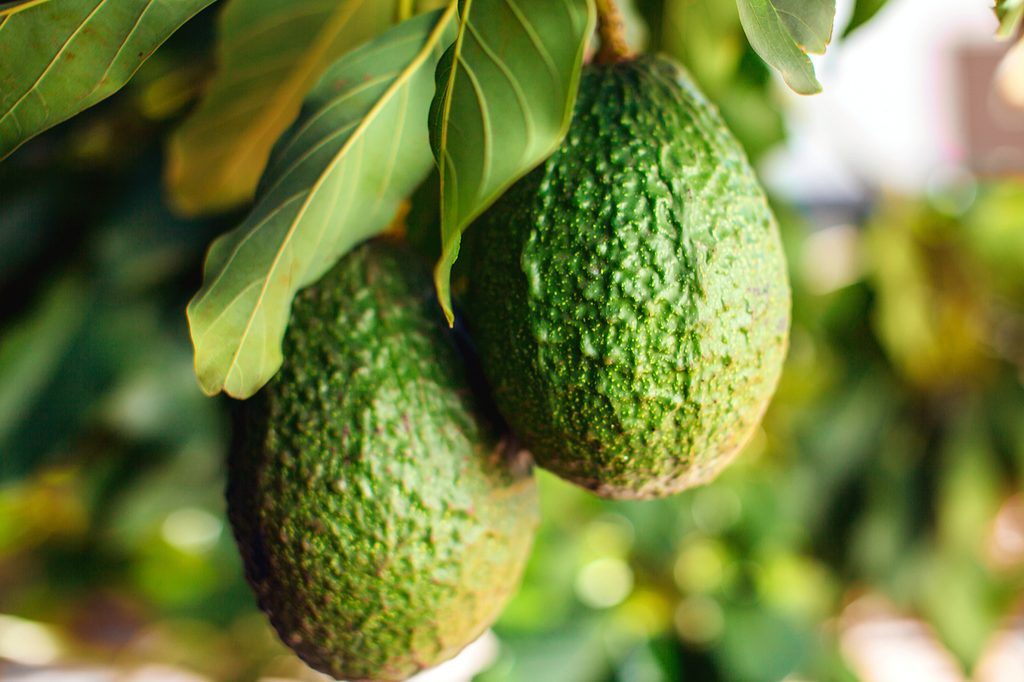
Avocados are delicious and versatile plants used for all sorts of things, from food to skin care. The question of the day isn’t how to use avocados, though. Instead, it’s what they are: Are avocados vegetables or fruits? We eat them on sandwiches and as sides, like vegetables, but they also grow on trees, like fruit. If you’re not sure of the answer, or aren’t sure why it matters, then you’re in the right place! We’ll give you a rundown on the difference between fruits and vegetables, what category avocados fall into, and why it should matter to you.

What’s the difference between fruits and vegetables?
The distinction between fruits and vegetables actually comes down to a difference in botanical and culinary classifications. Fruits are a certain part of a plant, which means that no matter what plant you’re looking at, if it grows fruit, the fruit will form in the same place and way. Fruits are produced by a plant to carry its seeds, and they form at the base of the flower after it’s been pollinated.
Vegetables, however, are a broad category containing various plant parts. This is because “vegetable” is a culinary term, meaning that whether or not part of a plant is a vegetable depends entirely on how we eat it. If a plant part is edible and is typically eaten in a savory meal or alongside a protein, then it qualifies as a vegetable. Additionally, a vegetable doesn’t need to be exclusively used for savory meals. It just needs to have one or two savory meals that it’s consistently used in. For example, carrots are used in carrot cake but are still a vegetable.
So plants can be one or the other, but they can also be both. This means that rather than belonging to either one list or the other, they can fall into a situation that’s more like a Venn diagram. On the fruit side, you have fruits like blueberries, peaches, and oranges. On the vegetable side, you have carrots, onions, and potatoes. In the middle overlapping part, you have tomatoes, eggplants, and peppers.
What are avocados?
Why avocados are considered fruits
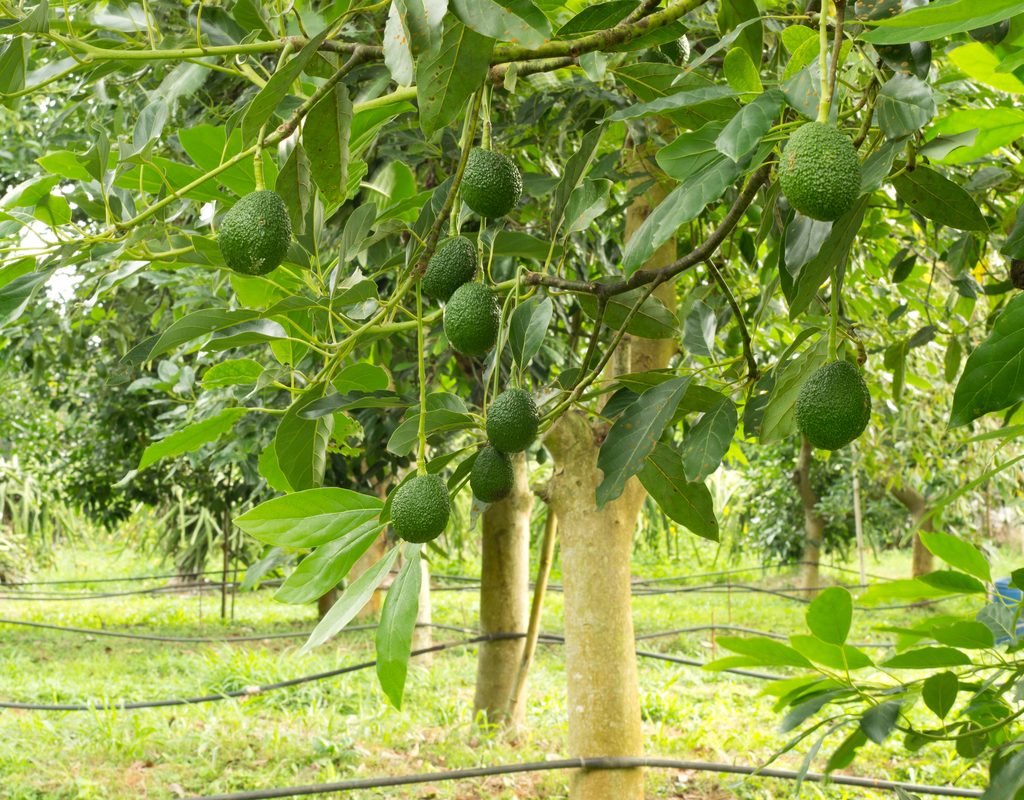
If you guessed that avocados are both fruits and vegetables, then you’re correct! Avocados are the fruit of the avocado tree. More specifically, avocados are berries. Although avocados have one large seed, like a stone fruit, the softer coating of that seed lands it squarely in the classification of berry.
It all comes down to the endocarp, which is the layer of fruit surrounding the seed itself. This layer is sometimes referred to or thought of as the shell of the seed. Stone fruits have a harder endocarp around their seeds, while berries have a softer endocarp. This can be a little confusing, but if you compare a peach pit to an avocado pit, it’s easy to see the difference.
Why avocados are considered vegetables
The USDA’s MyPlate.gov website technically considers the avocado a vegetable for “nutritional and culinary purposes.” Nutritionally, avocados are low in sugar, high in fiber, and offer plenty of healthy fats. They also include lots of vitamins and minerals, including potassium. And as we know, avocados are generally eaten alongside other vegetables in savory recipes such as avocado toast and guacamole.
Still, like carrots, avocados are versatile in sweeter recipes, too, thanks to their creamy texture and not-too-strong flavor. For example, one popular Vietnamese dessert is the avocado smoothie, in which avocadoes are smashed and sweetened with condensed milk. Needless to say, avocados are incredibly handy to have around, no matter if you’re craving something savory or sweet.
Why does it matter?
While knowing that an avocado is specifically a berry might just be a fun extra bit of information, knowing that avocados are both fruits and vegetables can actually be quite helpful. Understanding whether a food is a fruit helps you take better care of your plants, letting you know which part of the plant to harvest and when to harvest it. On the other hand, knowing whether a food is a vegetable gives you some understanding of how to use it.
For the avocado, in particular, knowing that it’s a fruit lets you know to keep an eye out for fruit once the tree blooms. It also lets you know to watch for pollinators since the flowers need to be pollinated for avocados to grow. Additionally, while you can use avocados only as fruit, you’d be missing out on some of the most popular avocado dishes. Knowing that avocados are vegetables opens the culinary door to a wider range of uses for them.
Now that we’ve answered your avocado classification questions, you’ll know just what to say the next time someone asks you if avocados are a fruit or a vegetable. You can even take a closer look at other foods in your life, to see what other vegetables might be fruits, or what other fruits could be vegetables. Experiment with different ways of looking at your food, and have fun with your garden!