
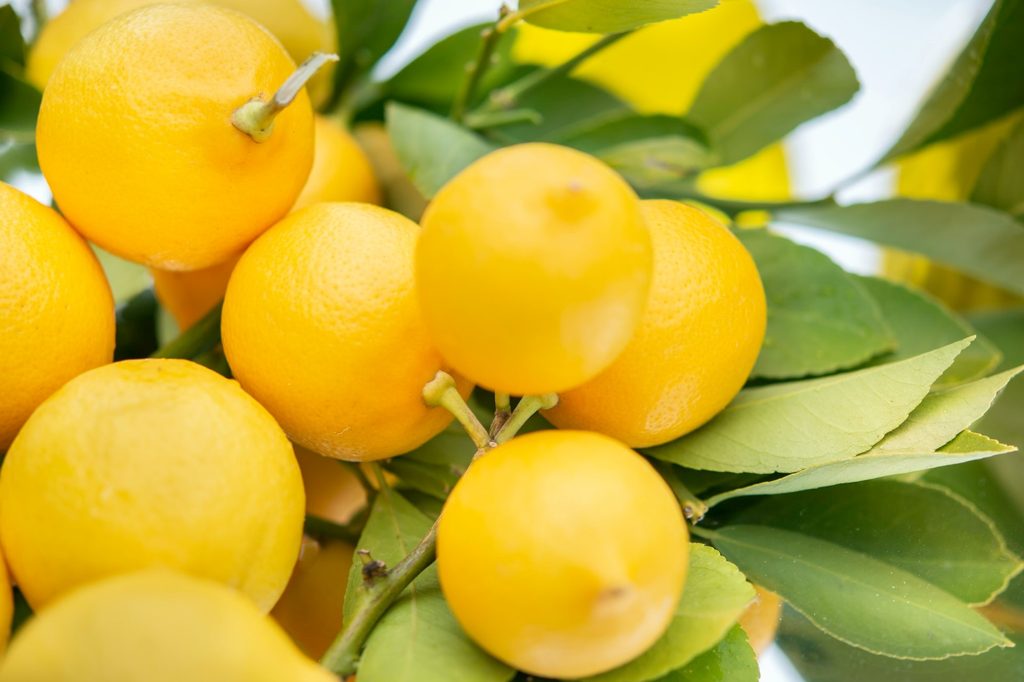
If you’re one of the many people who own a lemon tree, you know just how sturdy those trees can be. But the truth is, harsh winters can still threaten your plant. While your lemon trees can survive a few chilly nights with the proper frost and cold protection, too many freezing nights will decrease their likelihood of survival.
Depending on which climate zone you live in, you may be able to choose whether to keep your tree outdoors during the winter holidays. If your winters are cold and brisk at night, err on the safe side and bring the tree indoors. If you live in a warmer climate, you can opt to keep your tree outside with some precautions.
To keep your tree thriving for years to come, follow the tips and tricks in this lemon tree winter guide.
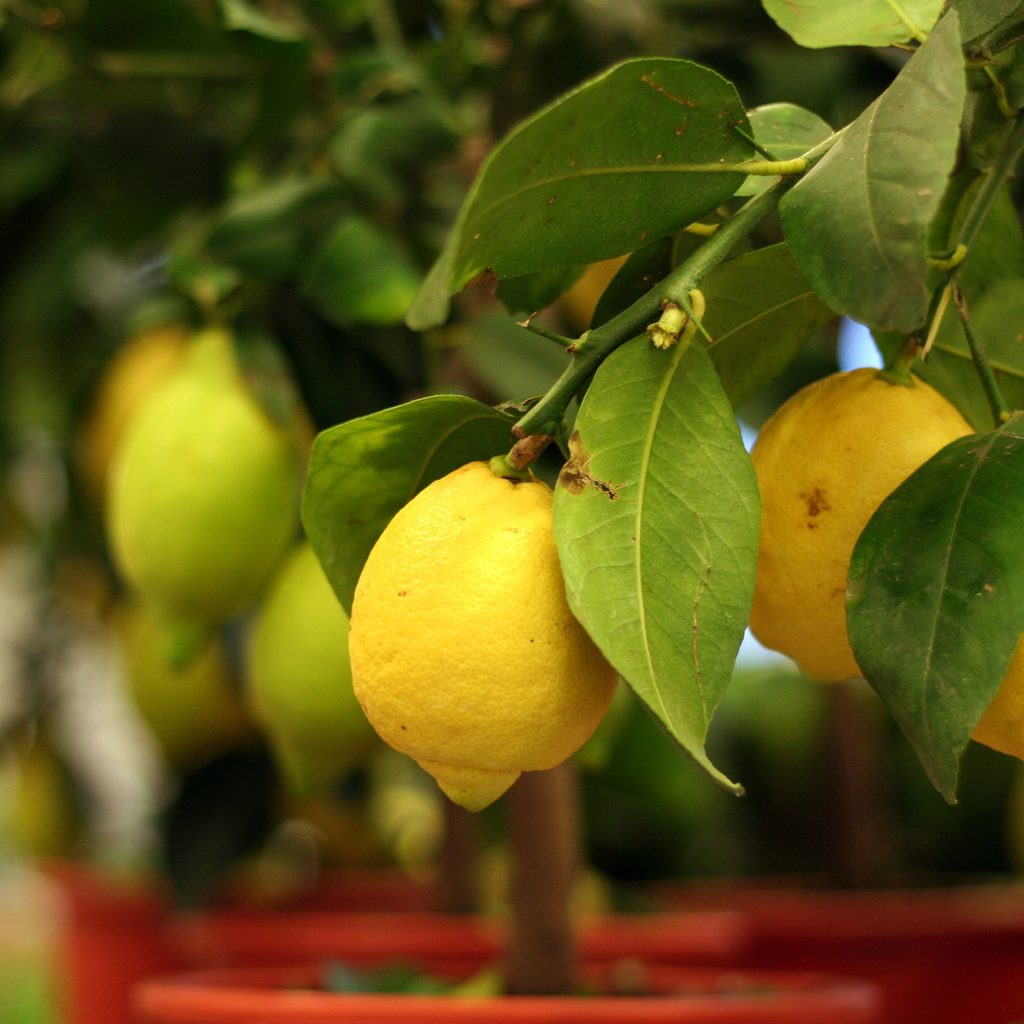
If you bring your tree indoors
If your lemon tree isn’t too tall or too wide, consider putting it in a container and bringing it indoors. Make sure to do this approximately six weeks before the first frost. You want your lemon tree to adjust to being indoors while the soil is still warm.
Giving your indoor lemon tree the right lighting
Locate the coolest — but not the coldest — location in your house that has the most sunlight. A good rule of thumb is to put it in an area with about eight hours of direct sunlight. South-facing windows work best. Park your tree there and prepare for the winter season. During the last two weeks before the first frost, keep your plant in full shade. This will help your citrus plant adjust to the winter season without too much wear on the plant.
Watering your indoor lemon tree
Your lemon tree is going to need humidity because the air indoors tends to be a lot drier than outside air, especially if you live in a zone where it’s colder for a longer period. You’re even going to have to adjust how you water your lemon tree. While your tree remains inside, make sure you’re watering the root ball just enough. You don’t want to make it too moist. And don’t overwater or leave your tree in standing water.
Checking your indoor lemon tree for pests
Before bringing your tree indoors, it’s important to wash it. Make sure to check the leaves and branches for critters like aphids. Aphids can be removed by hand or with a natural insecticide or neem oil for plants. It’s important to remember to be patient — even though aphids move slowly, they multiply quickly, and you might have to invest time into getting rid of them.

If you keep your lemon tree outdoors
If you’re lucky, you may be able to keep your lemon tree outdoors — citrus trees are generally hardy between climate zones 9 to 11. The first thing you’re going to want to do is harvest your ripe fruit before the frost hits.
Watering your outdoor lemon tree
Continue watering throughout the winter by giving your tree about an inch of water each week from November to the early spring. Of course, this varies depending on where you live and if you see more rainfall during the winter, so make sure to do your research. When watering your tree outside, try to water the ground as opposed to the tree directly. By watering the soil, you’ll ensure that the water won’t freeze and that the dirt underneath your plant will stay warm. You’re also going to want to fertilize your tree, but only if the leaves aren’t a visible green.
Pruning and shaping your outdoor lemon tree
Resist the urge to prune because pruning too early can cause more harm. If you happen to spy dead leaves, loose tree bark, or split branches, your tree might be experiencing frost damage. While you can treat and repair your tree once frost damage is confirmed, know that you’ll have to treat the damage on the tree for up to two years!
You’re going to want to prune only what you need to prune. If your leaves or branches are dead, make sure to dip your rounding shears in alcohol before you trim these areas. Try to prune no more than two inches away from the healthy part of your tree for optimal growth.
How to protect your lemon tree in the winter
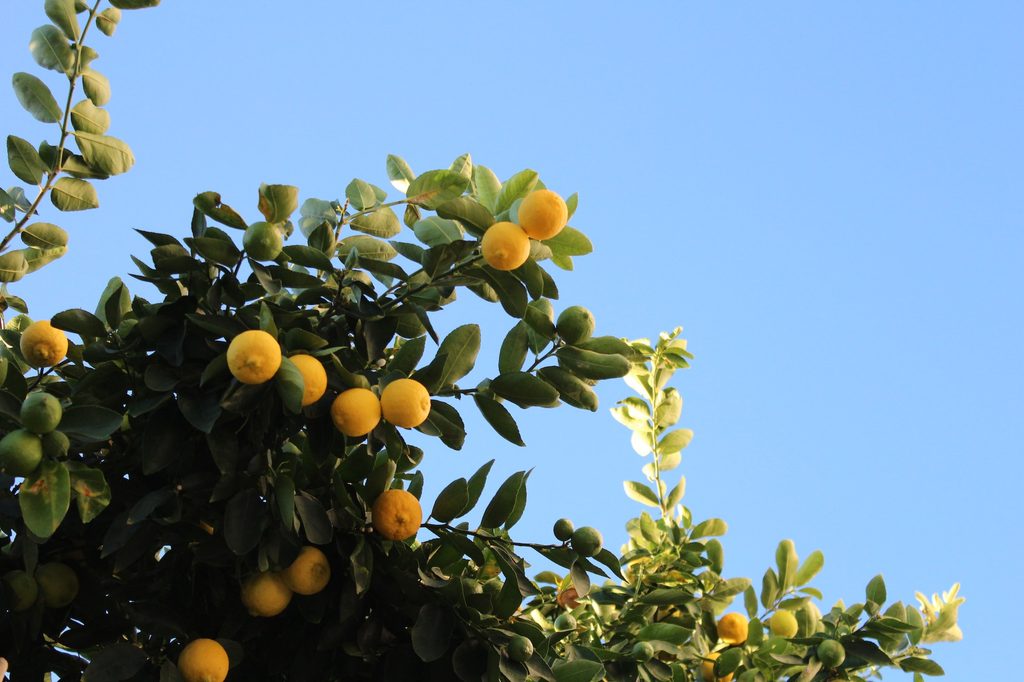
Winter temperatures, especially when they drop below freezing, will pose a problem to outdoor lemon trees. A tarp or frost cover should suffice for light frosts. Ideally, you should place your cover over your tree in the afternoon so that heat from daylight can insulate your plant overnight. Mulching can lead to rot around tree trunks, but it’s possible to mulch if you do it cautiously — keep your mulch material at least a foot away from the trunk.
Cold protection is most important for outdoor lemon trees, but you should also take some precautions for indoor lemon trees, too. For indoor lemon trees, situate your plant away from drafty windows and heating vents, which could contribute to leaf drop. Counteract drying drafts by turning on a humidifier.
Whether you’re overwintering your tree indoors or keeping it outside, follow these tips to ensure its chances of survival. Using this guide, you’ll be able to keep your lemon tree healthy through the winter season, ensuring many more abundant harvests for years to come.