There are many factors that go into lawn care, from how often to mow to what kind of grass to plant. Most of these factors, though, deal with caring for grass lawns. What if there were another kind of lawn that was potentially better suited for you? That better option might just be moss lawns. Not sure what a moss lawn is, or whether it might be a good fit for you? Don’t worry, we’ll go through all the pros and cons of both grass and moss lawns, so you can decide for yourself which you’d like to try.
What are moss lawns and grass lawns?
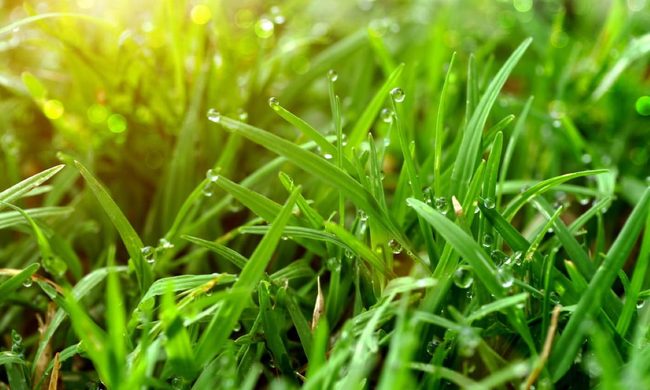
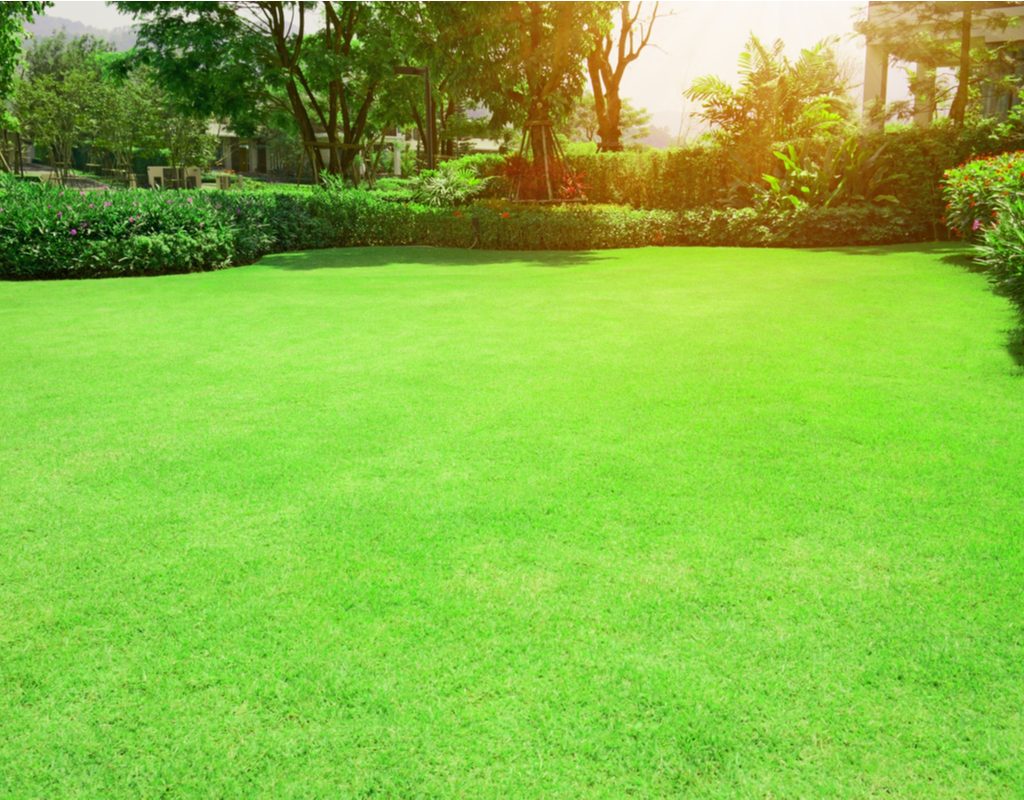
Grass lawns are what you most likely picture when you think of lawns. They are an area outside a house or home planted entirely or mostly with one or more types of grass. There are roughly 12,000 types of grass, many of which are used in lawns. Some of the most common types of lawn grasses are fescue, Kentucky bluegrass, and ryegrass.
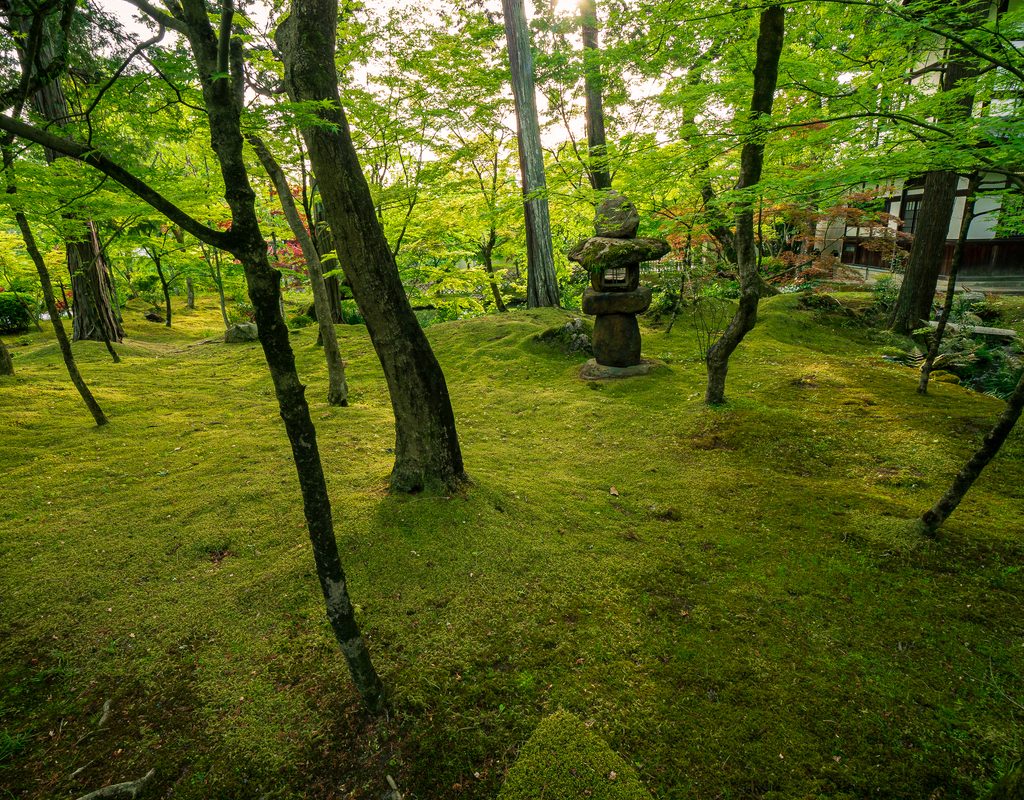
Moss lawns are a little less common, but not unheard of. They are similar in form and function to grass lawns, except they’re planted with moss instead of grass. There are fewer varieties of moss typically used for lawns, as some moss varieties grow quite slowly. Of the faster growing moss varieties, sheet moss and fern moss are two of the most commonly used mosses for lawns.
Climate preferences
A benefit to the wide variety of grasses that can be used in lawns is that there are grasses suitable for practically any climate. You can plant cool weather grasses, like Kentucky bluegrass, annual ryegrass, or tall fescue if you live in a cooler, more northern region. There are also warm weather grasses, like St. Augustine grass and bermuda grass for those in hotter areas. You can even plant a mix of both, for a year-round lawn in regions with distinct seasons.
Moss, on the other hand, is a little less versatile. In general, moss grows in cooler, shadier places. In particular, moss is often found besides rivers and under trees, where there’s protection from heavy sunlight. As you might expect, this means that moss lawns do best in lawns with partial shade and tend to dry out in hotter, sunnier climates.
Basic care
Picking the right grass for your climate can cut down on the care your lawn requires, but there are still a few things grass needs that moss doesn’t. Depending on your soil type, your grass may need fertilizers, and compacted soil needs to be aerated so the grass can absorb nutrients properly. Moss can grow in almost any soil type without fertilizers or aeration. Additionally, grass lawns need to be mowed, while moss lawns don’t. However, in hotter climates, moss lawns require more water to avoid drying out than climate-appropriate grass lawns.
Diseases and pests
Moss are fairly healthy, and few pests or diseases affect them directly. However, they can be a habitat for various small insects and fungi. Some of these insects are beneficial. For example, fireflies enjoy laying their eggs in moss. Others, like aphids, can become problems for your gardens.
Grass, on the other hand, can be affected by a variety of fungal infections. Many of these can be avoided with proper care, though. The majority of these problems are caused by either overwatering—watering too late in the evening resulting in chronically wet soil overnight—and a lack of nitrogen in the soil.
Lifespan
Both grass lawns and moss lawns can last up to ten years, depending on the variety of grass or moss used and how well it’s cared for. However, one additional factor that can impact the lifespan of both lawn types is the wear and tear of everyday life. In particular, the pressure of foot traffic, play, and furniture.
Consistent pressure in a specific area will eventually kill even the hardiest of grasses. Both moss and grass have the ability to bounce back from light, occasional pressure. However, grass is generally more resistant to heavier, more regular pressure than moss is. While both lawns can be walked on without issue, if you have children or pets that enjoy running and playing outdoors, you’re more likely to see damage to a moss lawn than a grass lawn.
Both lawns have plenty of benefits and drawbacks, so the better lawn depends heavily on your circumstances and what you’re looking for in a lawn. If you live in a cooler climate, want a lawn that requires little care, and don’t foresee heavy use, then a moss lawn can save you time and effort. Grass lawns may be a better fit for those of you in hotter climates and a need for a lawn that can hold up under heavier wear and tear.