Homegrown fruit is a delicious and delightful treat. Whether you want to grow your own fruit for an occasional snack, for pies and other baked goods, or just to attract birds to your yard, there are many wonderful options. Mulberry trees and bushes are an option you might not have considered, though. Mulberries may not be as common as apples and pears, but they are easy to grow and wonderful to eat. If you want to get started growing your own mulberry tree, here’s the complete care guide for you.
Types of mulberry trees
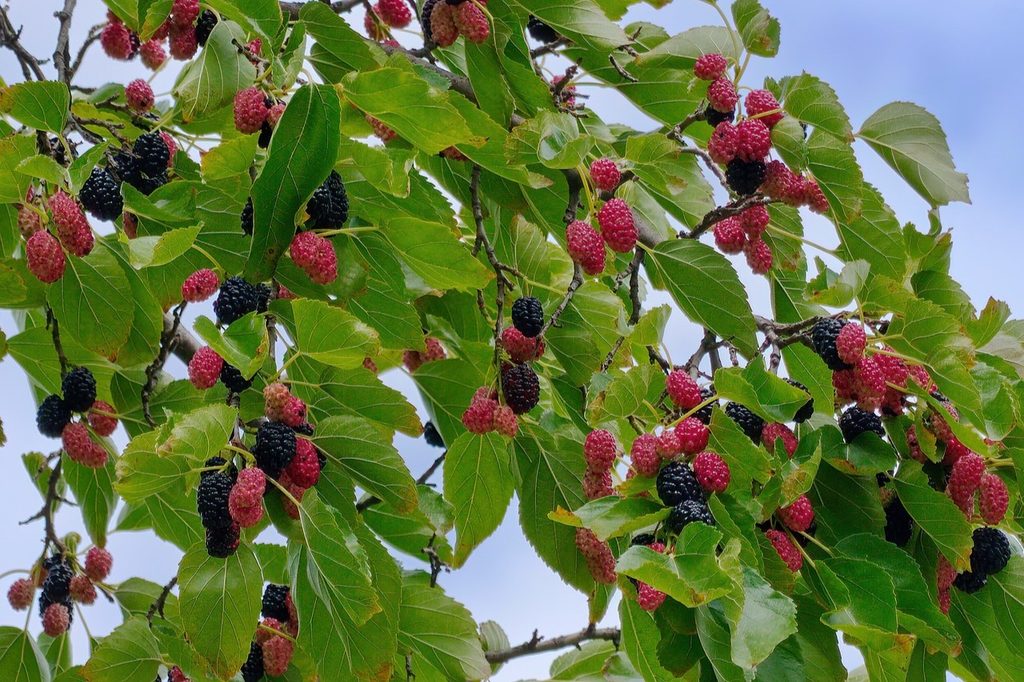
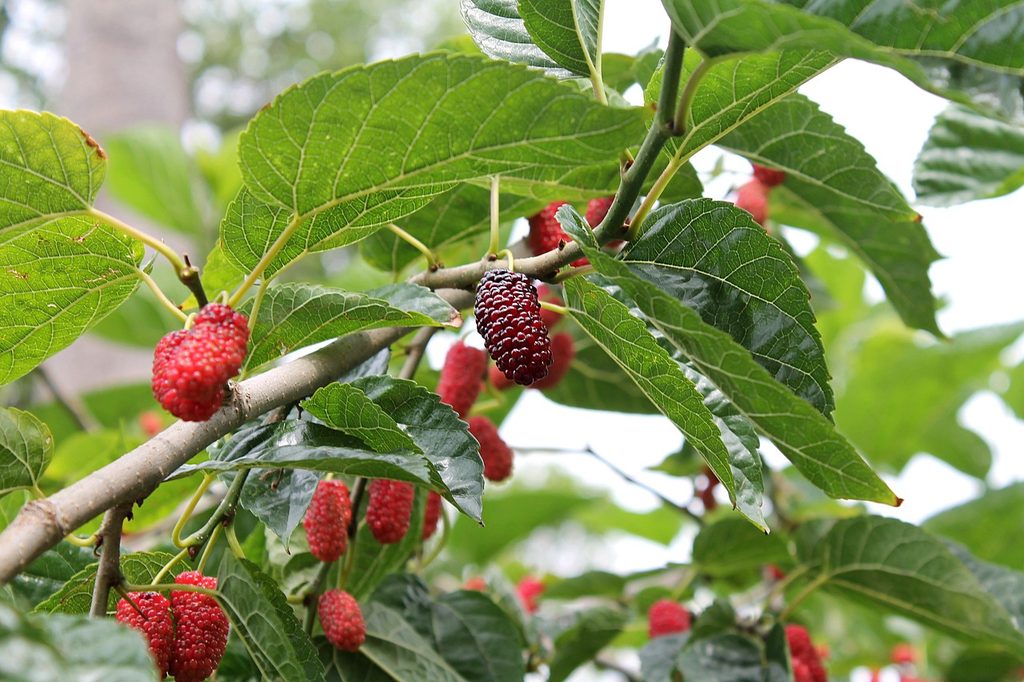
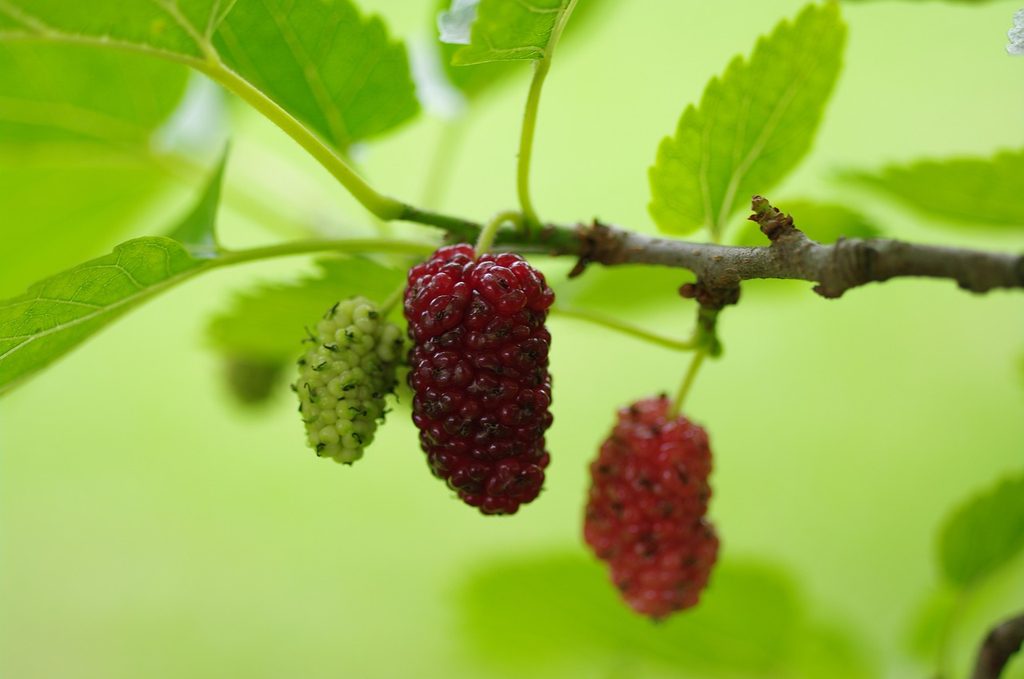
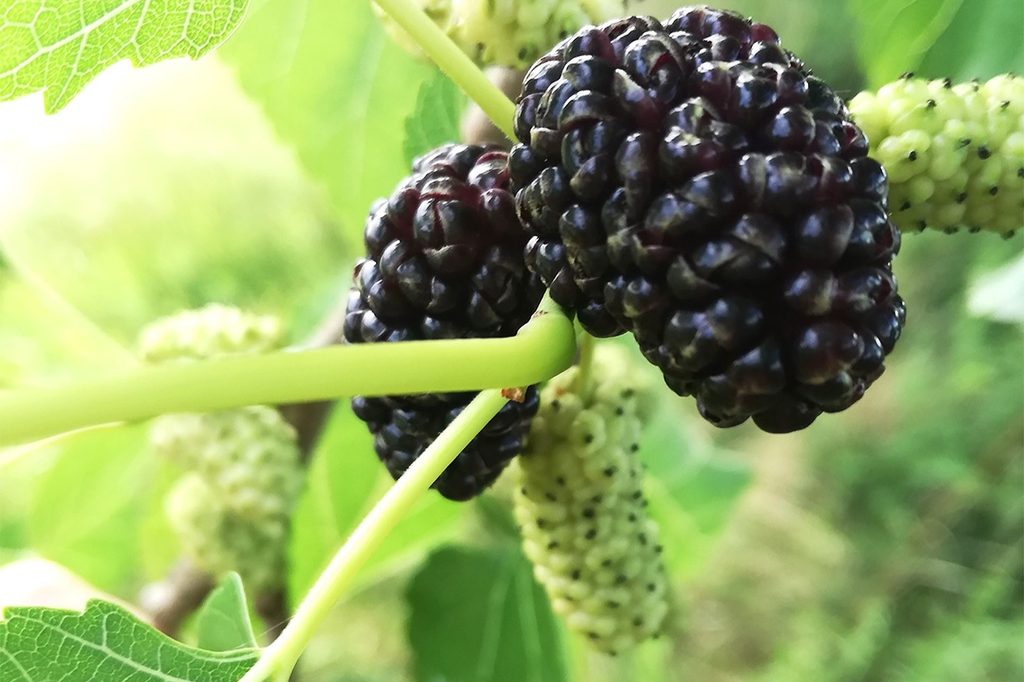
There are three common species of mulberry trees or shrubs that you’re likely to find in nurseries. These are red mulberries (Morus rubra), white mulberries (Morus alba), and black mulberries (Morus nigra). The names relate to the color of the unripe berries (ripe mulberries are always black or dark purple). There are also Everbearing mulberries, which produce more fruit.
Black mulberries are the most popular in the U.S. due to their sweeter flavor. However, if your garden is dedicated to native plants, then you should stick to red mulberries. While black and white mulberries are native to Asia, red mulberries are native to the eastern part of the U.S. If you live in the Southwest, consider Morus celtidifolia, the Texas mulberry.
Planting your mulberry tree
Begin planting your mulberry tree in early spring, when the plant is dormant, but the soil is beginning to warm. In regions with mild winters, you can also plant your mulberry tree in mid to late fall. While mulberries can tolerate partial shade, you’ll see more fruit and healthier growth when the mulberry is in full sun.
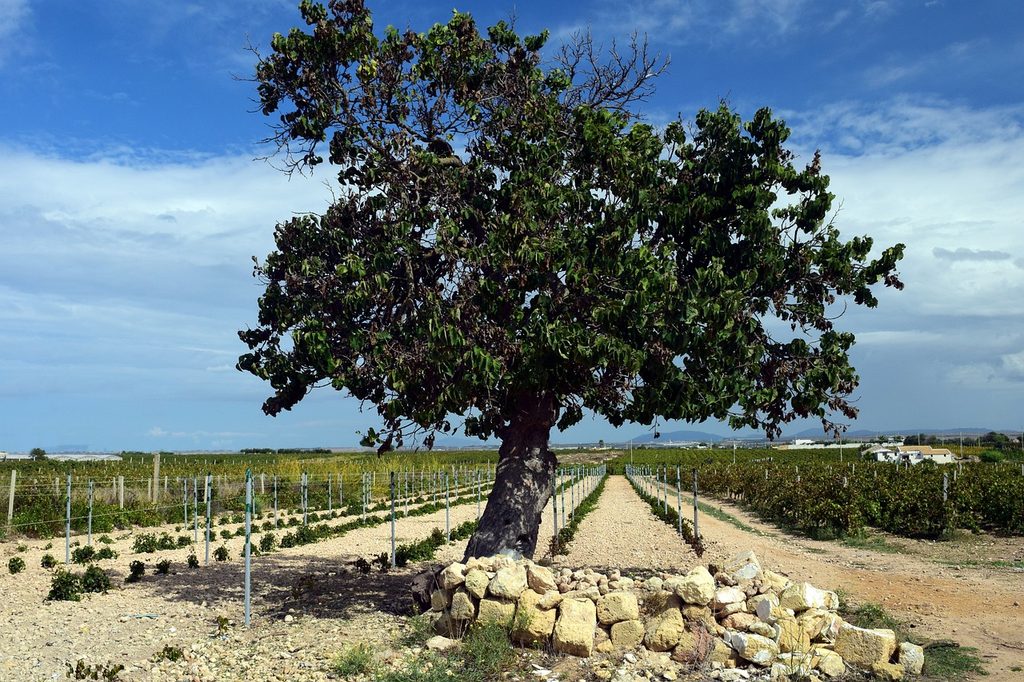
Mulberry trees can tolerate poor soil but not crowding. With the exception of some smaller varieties, mulberry trees will grow quite large (up to 50 feet in some cases) and need to be spaced accordingly. Mixing compost into the soil will give your mulberry tree a boost and help promote growth.
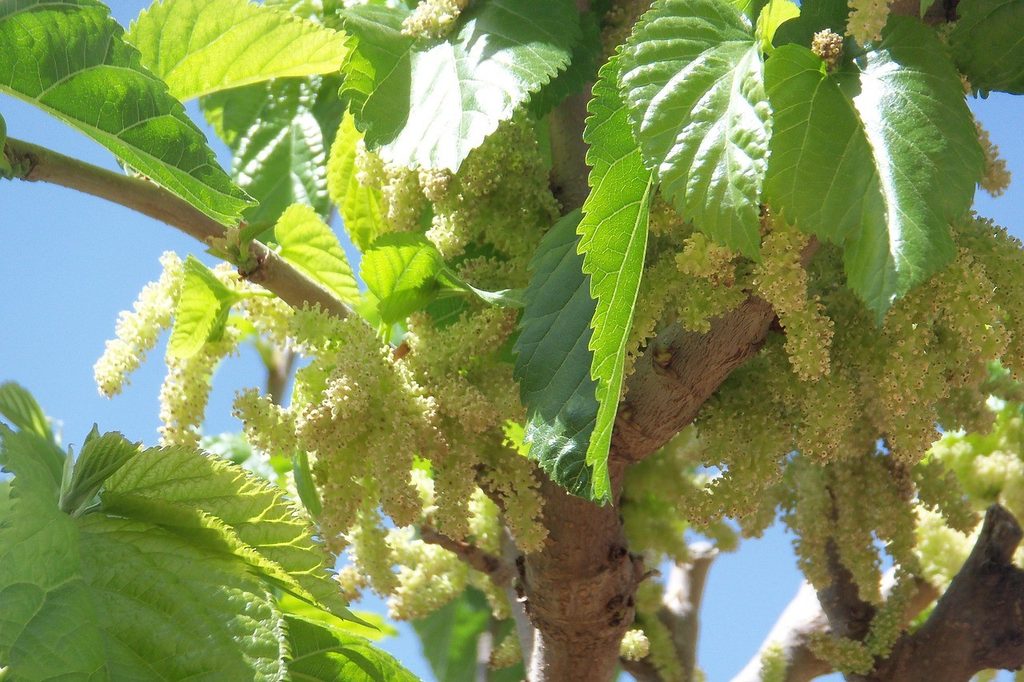
Depending on the variety of mulberry tree you choose, you may need two mulberry trees to produce fruit. Many mulberry varieties are self-pollinating, meaning pollen from one flower on the tree can be used to pollinate another flower on the same tree. However, some are dioecious, meaning the male and female flowers grow on separate trees.
Mulberry tree care
Once established, mulberry trees need little care, but during the first year after planting, they need attentive care. Water your mulberry tree regularly during spring, summer, and fall. Aim for twice a week, but you may need to adjust that based on the weather. During hot, dry summers, your mulberry tree may need more water, while rainy weather means you can take a break from watering.
During winter, add a layer of mulch around the base of your mulberry tree. When the berries begin to form, you may want to place bird netting over your tree. Mulberry trees typically don’t need fertilization, and they are sensitive to overfertilization. Only fertilize them once per year in early to mid-spring. You can use any balanced fertilizer.
Pruning your mulberry tree is a good way to prevent it from becoming overgrown, but it should only be done during winter. This is because mulberries tend to weep or bleed, meaning they leak sap when cut. This causes them to heal more slowly and attracts pests, which spread disease. However, sap flows more slowly during winter, reducing the risks.
How and when to harvest mulberries
Mulberry trees will begin to fruit once they are a couple of years old, and the berries are typically ready to harvest in spring or summer. Harvesting mulberries can be tricky, since there are often a lot of them and the fruit can be fragile. The most common solution is to spread tarps or sheets out underneath the mulberry tree and shake the branches. Ripe berries will fall off the tree, landing on the tarp or sheet so you can collect them. Be sure to only eat the ripe berries, as unripe ones can cause stomachaches.
Once harvested, mulberries don’t stay fresh for long. You can store them in the refrigerator for a week or two, but if you want to keep them longer than that, you’ll need to make a mulberry jam or puree. Jams can be stored for much longer, while purees can be frozen. Freezing the fruit isn’t a great option for whole berries, as it will impact the texture, but this isn’t an issue for purees.
Why have mulberry trees been banned?
Some cities have a ban in place preventing new mulberry trees from being bought, sold, and planted. In particular, fruitless mulberry trees (the male, pollen-producing trees of dioecious mulberry species) are banned in some cities in the southwestern and western areas of the U.S. They are banned for the same reason as Bradford pear trees; high pollen count and potential to become invasive. However, fruiting mulberry trees (the female dioecious and self-pollinating trees) are generally not banned. If you aren’t sure if your city has a ban, it’s a good idea to check the city’s government website or call and ask an official.
Mulberries are delicious, with a sweet and sometimes slightly tart flavor, often compared to blackberries or raspberries. While the short shelf life of these fruits makes them difficult to find in grocery stores, growing them at home is easy enough to make up for it. So enjoy your mulberry harvest, whether you eat it raw or bake it into pies!