
Dogwoods are a favorite tree for many gardeners, so you aren’t alone if you’re wondering how to plant a dogwood tree. They’re a beautiful, easy way to have a flowering tree in almost any location. Birds love them, too, since their bright red berries offer a plentiful food source during fall and early winter. If you’re considering adding a dogwood tree to your yard or garden, but aren’t sure where to begin, then you’re in the right place. Here’s what you need to know about planting a dogwood tree.
What to consider before planting a dogwood tree
Before you pick up your dogwood, before you dig your hole, before you even choose what kind of dogwood you want, you’ll need to make sure you have a suitable planting location. Dogwoods need partial shade. Although they can tolerate more sun with increased water, full sun can scorch their leaves, leading to a less healthy tree overall. Pick a planting location with a mix of shade and sun, and pay attention to any other plants in the area. Remember that the dogwood tree will cast some shade of its own, so don’t grow it near plants that need full sun.
Make sure the soil in your desired planting spot is rich with organic material but well-draining. Additionally, dogwood trees do best in soil that’s acidic to neutral, so testing your soil’s pH is a good idea. If your soil is lacking in organic material and pH, try adding compost with pine needles or coffee grounds. Compost adds organic material and nutrients into the soil, while pine needles and coffee grounds are easy ways to make the soil more acidic.
On a more personal note, something important to consider is how long dogwood trees live. A dogwood’s lifespan averages out at about 80 years, making this tree a lifetime commitment. Dogwoods don’t need constant care if they’re planted in a good place with adequate rainfall, but the tree will still be where you’ve planted it, taking up that space. Dogwoods have plenty of benefits, such as offering shade, bird food, and lovely flowers. However, if you move often, plan on moving soon, or enjoy rearranging your garden regularly, then you may want to pick a plant with a shorter lifespan.
Choosing your dogwood
The best source for almost any tree is a local nursery or gardening store. Local nurseries can give you more specific advice about local climates, pests, and diseases that may cause problems for you. If there aren’t any small, local nurseries or garden stores, your next best option is any in-person store. That way you can at least see the tree and check its general health for yourself before bringing it home. If online is your only option, look for specialists rather than general stores, and read reviews before ordering a tree.
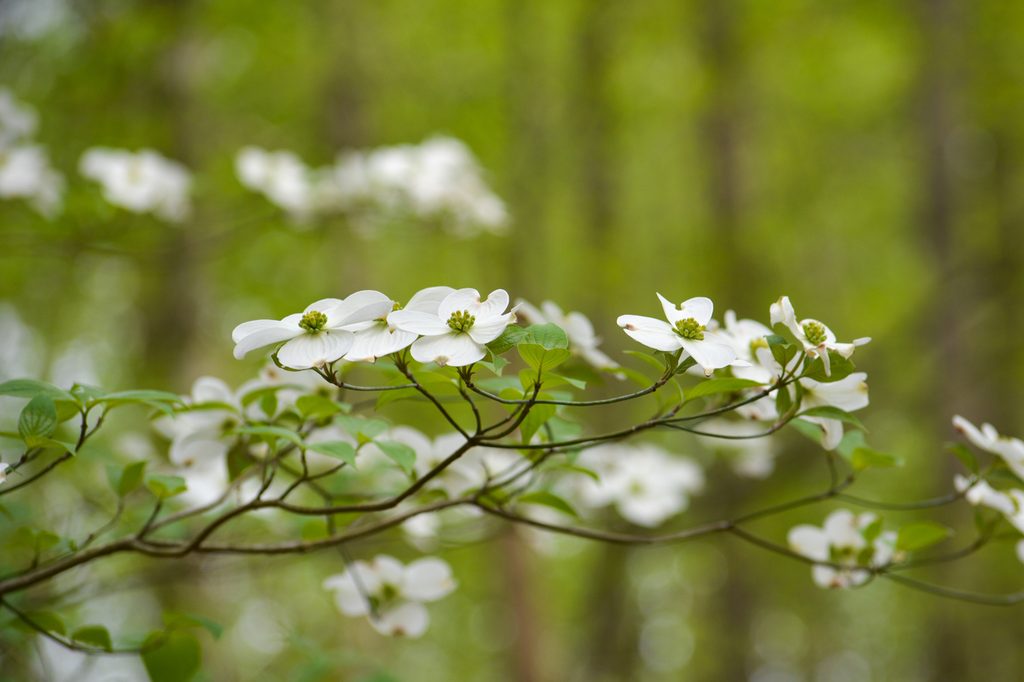
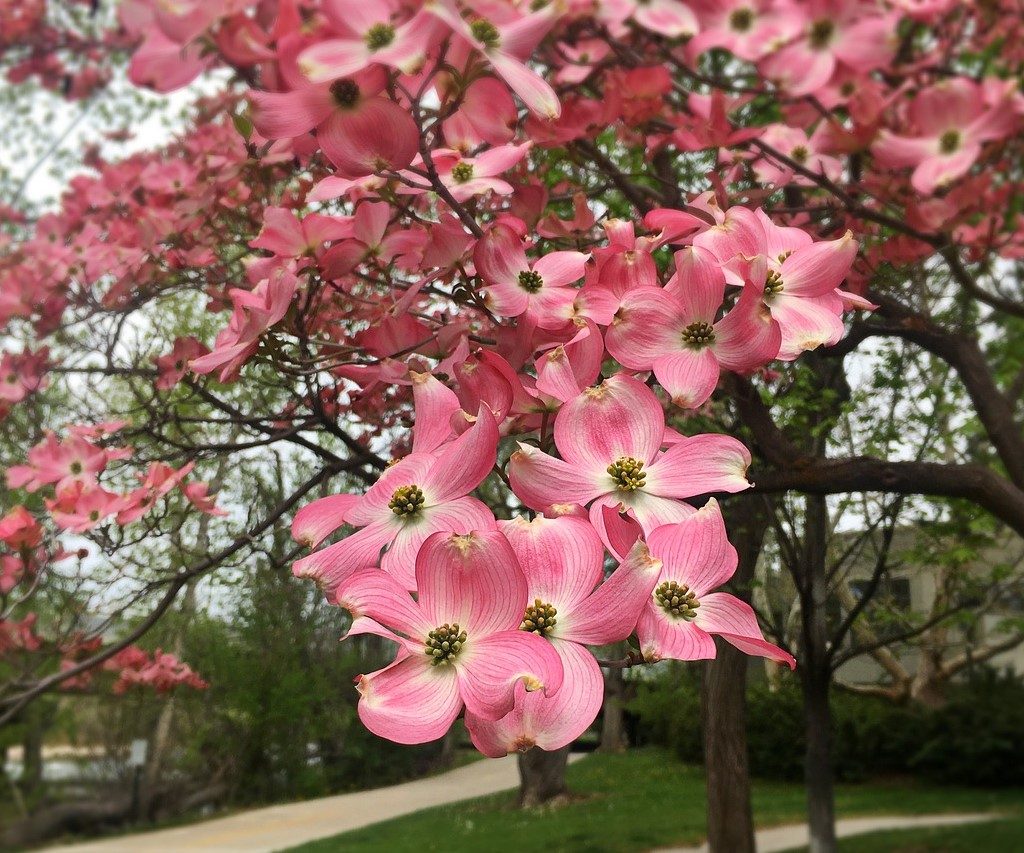
There are plenty of dogwood varieties, but a few of them are more popular in gardens for their flowers, fruit, or size. Flowering dogwood is the most popular variety in the US. It’s native to the US, and comes in a range of cultivars with different flower colors and sizes. If you live on the west coast, then you may be interested in the pacific dogwood, which is native to deciduous areas along the west coast. If you want something a little more unique, try the kousa dogwood. The kousa dogwood is native to east Asia, and looks fairly similar to the flowering dogwood. However, one key difference is the kousa dogwood’s unusual fruit, which is actually edible.
When to plant your dogwood tree
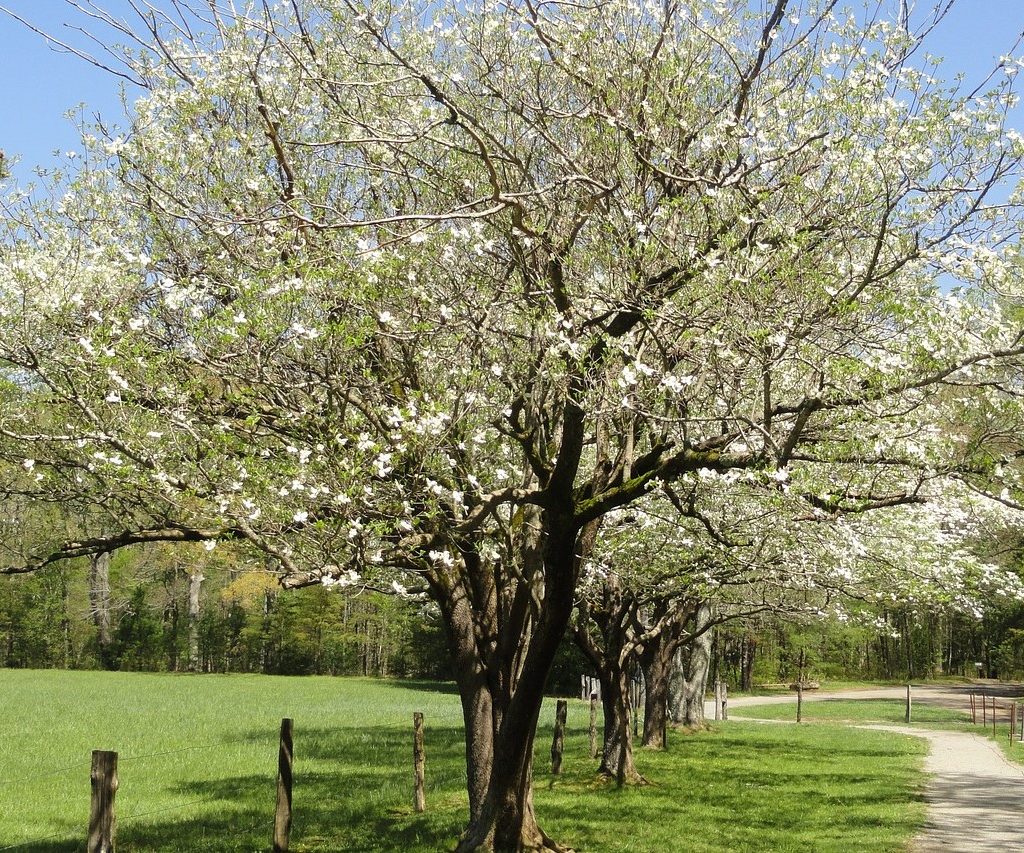
The best time to plant your dogwood is early spring or late fall. Dogwoods are deciduous, meaning they go dormant during the winter. This makes planting much less stressful for the tree, and a stress-free tree is a healthy tree. If you’re planting a young tree, it’s best to plant it in spring. This is so the tree has time to grow before winter sets in, decreasing your chances of frost damage. If your dogwood is an older, more mature tree, then feel free to plant your tree in fall.
Avoid planting your dogwood during summer or in the middle of the afternoon. These are the times when both heat and sunlight are at their highest. Planting a tree during summer or the afternoon isn’t good for the tree or you. It can lead to overheating and sun damage, so it’s best to plant your dogwood in the morning during either spring or fall.
Using these tips, you can successfully plant your dogwood tree. You could even grow a whole grove of them! Remember that dogwoods need mixed sun and shade, and rich, acidic, well-draining soil. Plant it in the spring or fall, and try to choose a nice mild morning rather than a hot afternoon. Soon enough you’ll be enjoying the plentiful flowers and berries that are the hallmark of dogwoods.