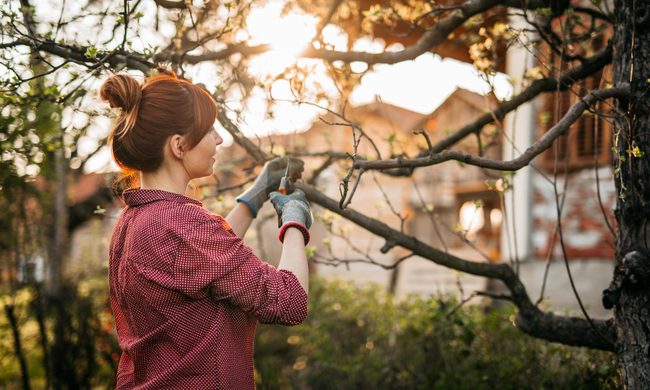
When spring has sprung, it’s time to get out your shears to prune your plants — at least some plants, anyway. As the weather warms up and spring transitions into summer, it’s time for housekeeping in your yard. During this time of the year, you should plan to tackle plants that have already flowered.
As long as you don’t accidentally cut off any flower buds, pruning is a great way to encourage vigorous growth and shape your plants while removing diseased or intrusive branches and stems. If you’re wondering what you can actually prune this time of the year, read ahead for a comprehensive list of plants to prune in late spring.
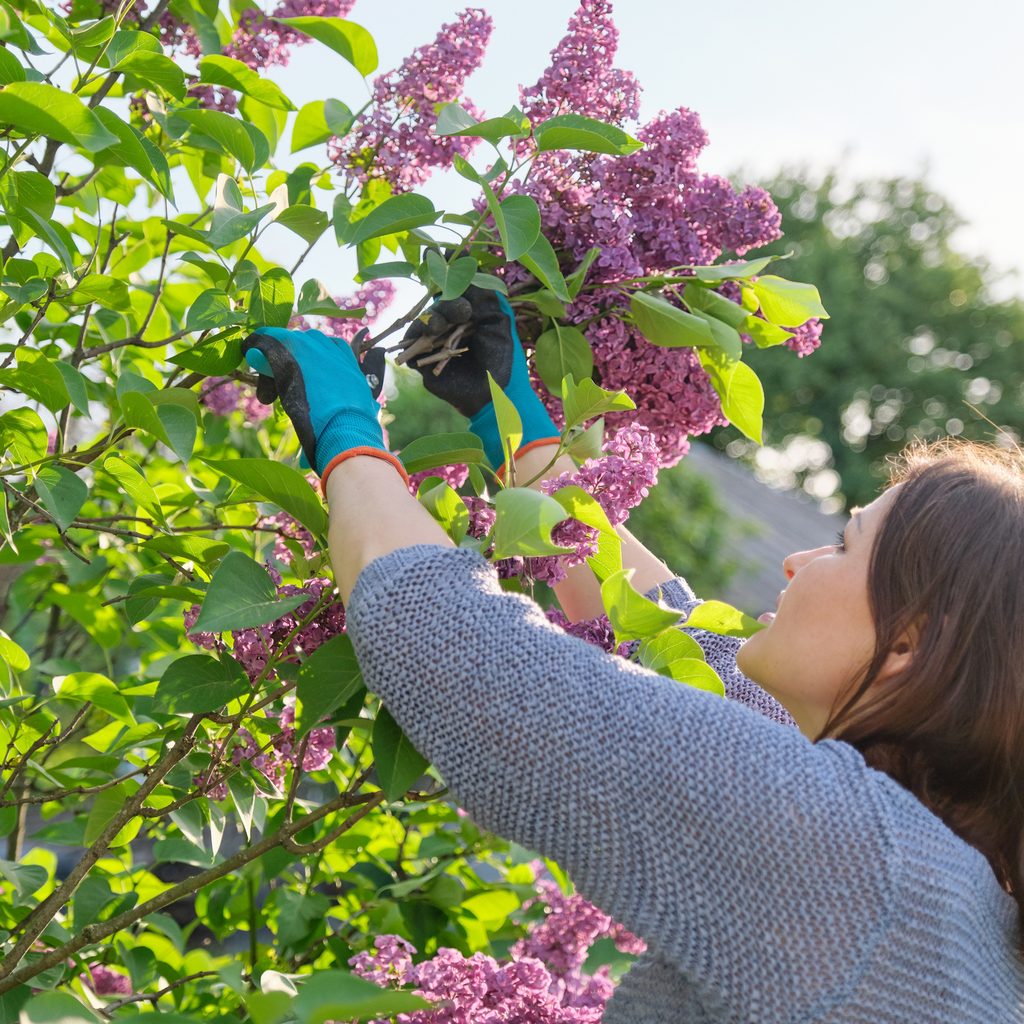
Lilacs
Spring-flowering trees, such as lilac trees, should be pruned around late spring. Cut lilacs right after they bloom or when you notice flower clusters decreasing in size. Avoid holding off pruning for too long, as buds will start forming after your flowers fade. When pruning, you’ll want to look for any dead wood and old canes. Cut old shoots to the ground so that new ones can grow in their place.
Deciduous shrubs
If you have overgrown shrubs planted solely for ornamental foliage, you can prune them at any time of the year except late autumn — trimmed branches with new shoots may be too tender to survive winter chills. In the late spring, you can tackle any dead or weakened branches to shape your shrubs. If you have a big pruning job planned, wait until the winter dormancy to go about it.
Sap-bearing trees
Pruning sap-bearing trees, or “bleeder trees,” in the winter or early spring can get messy, as sap pours from the wounds. With walnut, birch, and maple trees, it’s best to prune in the late spring or summer. Some gardeners prefer trimming these trees once their leaves form, but you can go in even earlier. Cut down soft, new growth but don’t remove any more than one-third of the growth at a time.
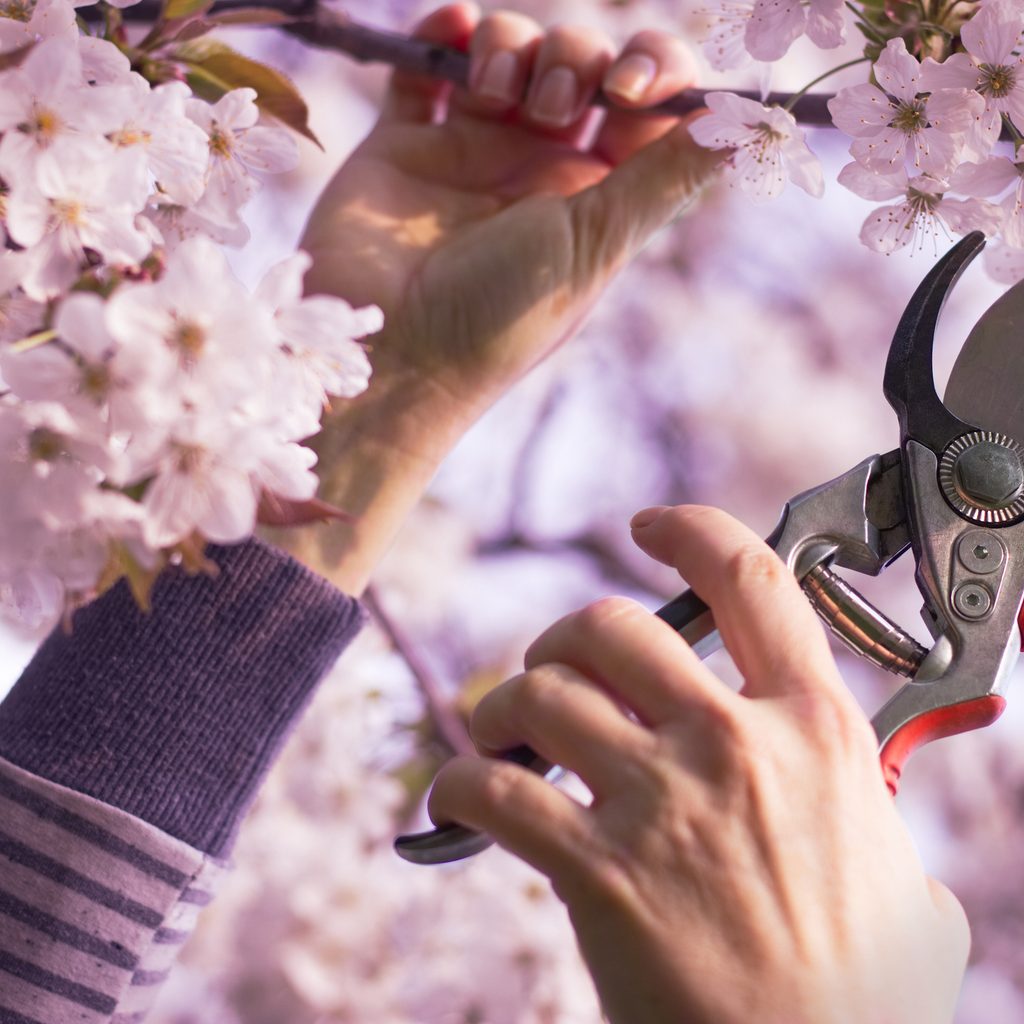
Flowering cherry trees
You should prune flowering cherry trees after they produce their beautiful blooms. In the two-week window after your trees flower, keep your pruning light but remove any diseased branches and suckers. The dormant season is when you’ll want to go in for more drastic pruning endeavors.
Camellias
Other than their glossy leaves, camellias are known for their beautiful, long-lasting blooms that span from late winter to early spring in many areas. A late-spring pruning around May encourages robust growth and keeps thin branches at bay. You won’t need to prune your camellia plants until they’re around 4 years old, so you can leave younger plants alone.
Mountain hydrangeas
Native to Japan and Korea, these popular flattened flowers are easy to care for as long as you give them partial shade and well-draining soil. They do, however, require due diligence when it comes to pruning. You want to remove spent blooms and prune to promote continued blooming during the growing season. Keep in mind that if you tip-prune the branches as leaves pop up in the spring, this may encourage many small flower heads versus fewer large ones.
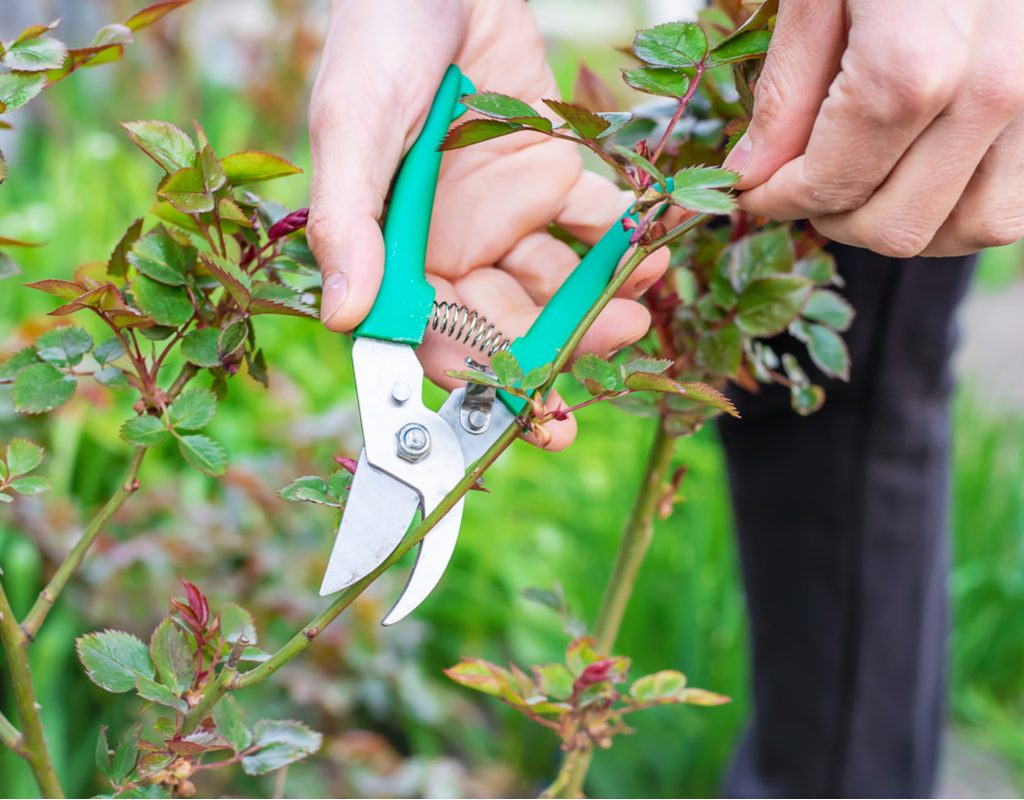
Roses
Roses, particularly climbing and garden roses, are spring bloomers that tend to only bloom once per year after enjoying full sun in early to mid-spring. With annual bloomers, prune them right after they flower. Although some flowers prefer an early-growing-season pruning, late spring is just the right time to cut back overgrown rose bushes and remove dead stems. During this time of year, you can also deadhead repeat bloomers and prune their damaged branches.
Honeysuckles
Besides their fresh fragrance, honeysuckles are known for their fast growth — without regular pruning, some varieties can reach up to 30 feet tall. You can prune honeysuckle vines all year long, but make time to prune the bushes around late spring or early summer after the flowers fade. For any intensive pruning undertakings, wait until fall or winter.
Azaleas
Azaleas are low-maintenance blooms that are relatively easy to manage with pruning. Pruning is also a great way to keep them healthy and give them a beautiful shape — azalea bushes can grow very big if you don’t keep their size in check. Wait for their flowers to fade, then go in carefully by removing unhealthy sprigs. With azaleas, you won’t need to chop down too much at a time; in fact, it’s best to thin them gradually.
If you know when to do it and how to go about it, pruning doesn’t have to be a daunting chore. After enjoying showy flowers in the spring, get your shears and loppers ready to prune back your plant for another beautiful display the following year.