When the temperatures start to warm up, and the snow begins to thaw, then it’s time to get back out into your garden. Spring is a busy time for gardeners. Setting your garden up for success starts with how you take care of your garden at the beginning of the year. If you aren’t sure what you should be doing to prepare your garden, then this is a good place to start. We have a few things you can add to your gardening routine, so you can help your garden wake up properly.
Cleaning your garden
Just like spring cleaning in your home, it’s a good idea to spring clean your garden. Start by removing any dead plants that didn’t make it through winter. Some plants go dormant during winter but will return in spring, so be careful not to remove them. If you aren’t sure if a plant is dead or just dormant, check the limbs and the roots. A dormant plant should have flexible branches with green or white centers and roots that are a healthy white or light brown color. A dead plant will have drier, brittle branches that are brown or gray in the middle and roots that are darker brown and rotting.
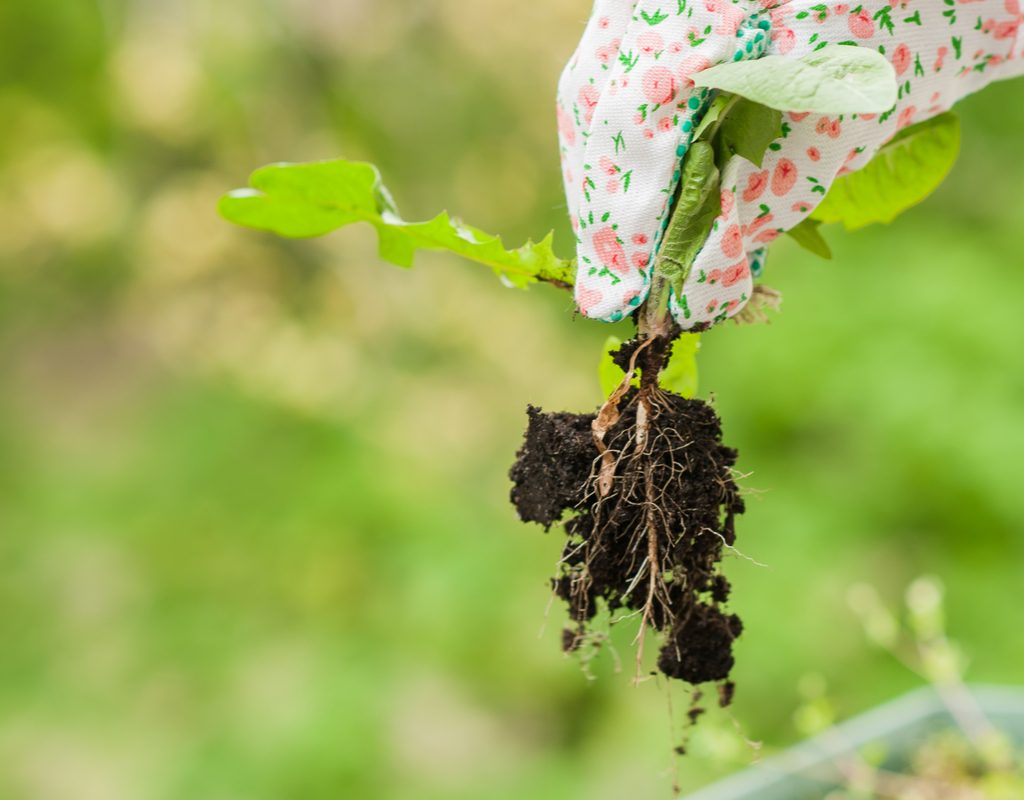
Dead plants can be dug up and removed entirely. Any roots that you can’t reach can be cut into smaller pieces to speed up decomposition. Dead plants that haven’t yet begun to rot can be composted, but plants with fungal growth should be thrown away or set by the roadside for leaf and limb pickup.
This is also a good chance to clear away any old mulch. Organic mulch, like leaves or compost, can be mixed into the soil, while inorganic mulch, like plastic or gravel, will need to be moved to the side. If your mulch is still in good condition, then you can likely reuse it. Just clear a small section to plant your new plants.
Test your soil’s pH, nutrients, and drainage
Rain and snow can wash away soil, and, with it, precious nutrients that your plants need to grow. If you’ve been growing in the same spot for a few seasons then your plants have also been drawing from your soil’s nutrient bank. Even soil that starts rich can eventually become poor if it’s overused, so it’s important to replenish your garden with new soil and nutrients. Testing your soil lets you know how much to add back into your soil.
Additionally, if you’re starting a garden somewhere new, then it’s important to know what you’re working with. Some plants have a strong preference for nutritional balance or pH. Testing your soil helps you determine if you need to add something to your soil or if it’s fine the way it is. Home test kits can be found online or in most garden supply stores.
Waking up dormant plants
Plants that go dormant over winter will naturally wake up on their own as temperatures warm up. However, there are a few things you can do to help them. An easy way to help your plants is to resume watering them. Spring brings an increase in rain, which, alongside warmer temperatures, signals to plants that it is time to wake up.
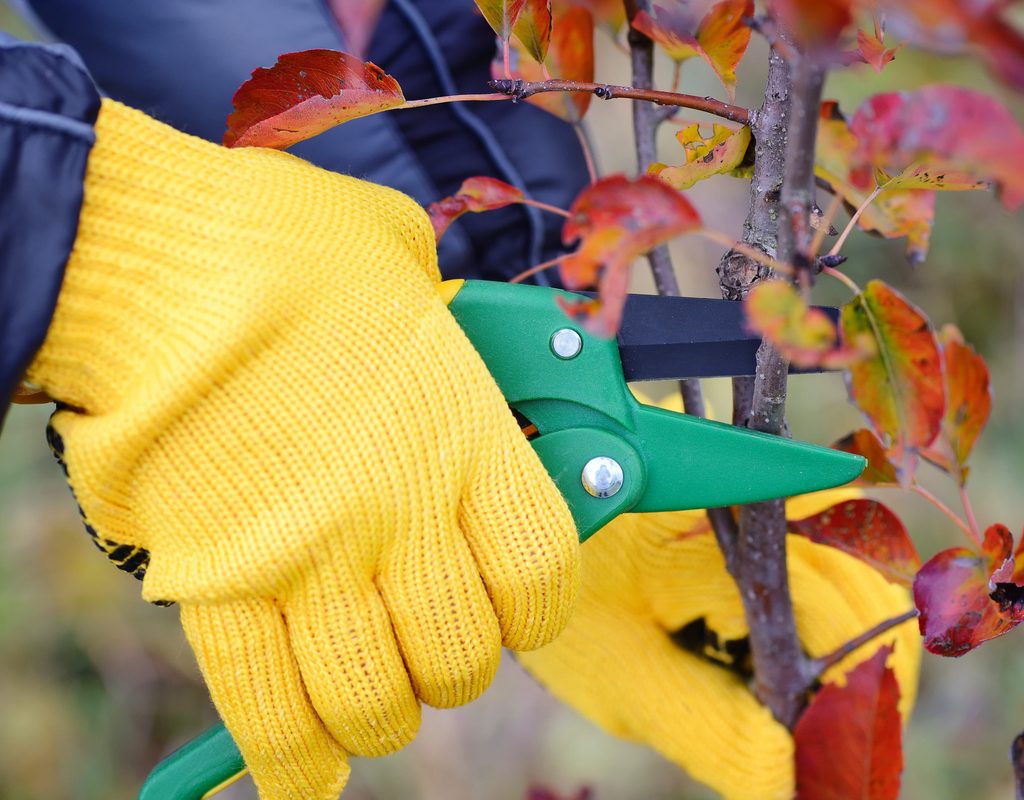
Pruning your plants also helps, as getting rid of old growth makes room for new growth. Not every plant needs pruning, so focus on shrubs and trees that bloom on new growth. Shrubs that bloom on old growth, like forsythias and some types of roses, should be pruned after they bloom. Use a sharp, clean pair of bypass garden shears, and start at the bottom of the plant. Cut branches that are dead, damaged, or diseased. If you see branches that are touching or crossing each other, cut one of them.
Selecting and planting new plants
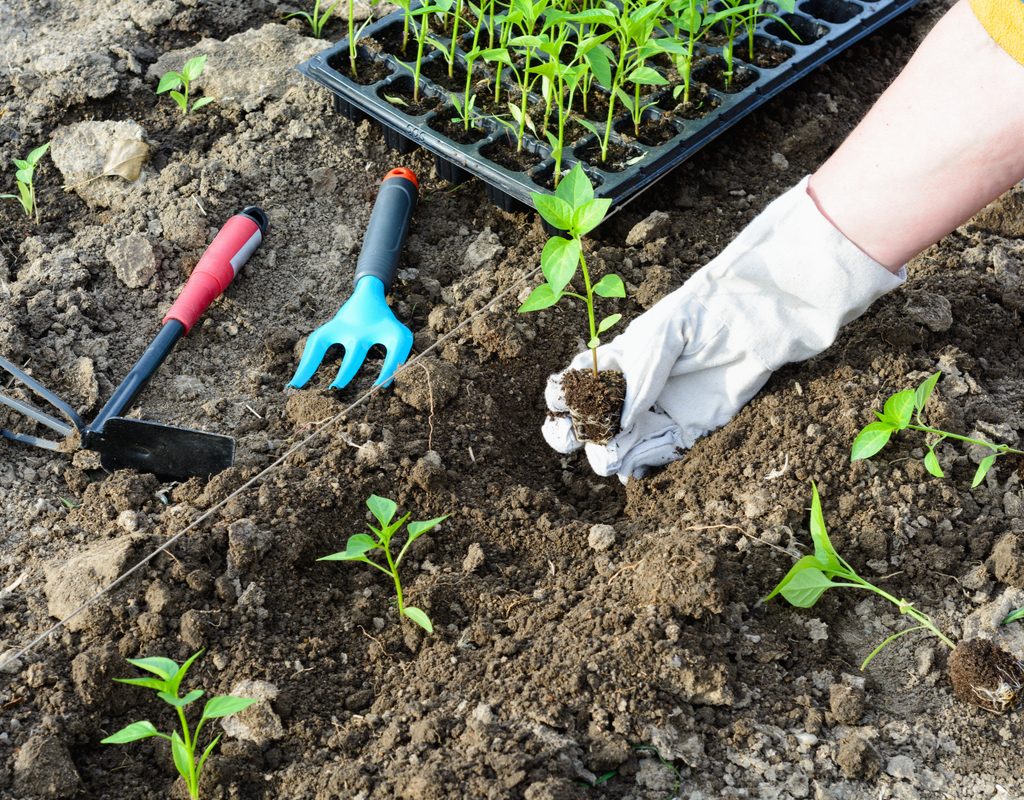
Of course, spring is also the best time to plant a wide variety of new plants. There are many different kinds of plants out there, so be sure to check your local nurseries to find the plants that are best suited to your garden. However, here are a few of our favorites.
If you’re growing a flower garden, then this is a great time to plant summer-blooming bulbs like lilies. You can also find daffodils, hyacinths, and hydrangeas at most nurseries. Rosemary and nasturtium also have beautiful blooms, with the added benefit of being edible!
If you’re focusing on fruits and vegetables, then why not try adding radishes, spinach, and peas to your gardens? Blackberries and raspberries can be planted in early spring as well. Most fruit trees can be planted in spring, although you won’t be able to harvest them for a few years.
Spring is a great opportunity to invest time and energy into your garden. Taking good care of the soil and plants in your garden will lead to excellent rewards in the form of gorgeous flowers or a bountiful harvest of fruits and veggies. Spring maintenance doesn’t have to be complicated or labor-intensive, either. Depending on your garden, it might be as simple as pulling out a few old annuals and adding some compost to your soil.