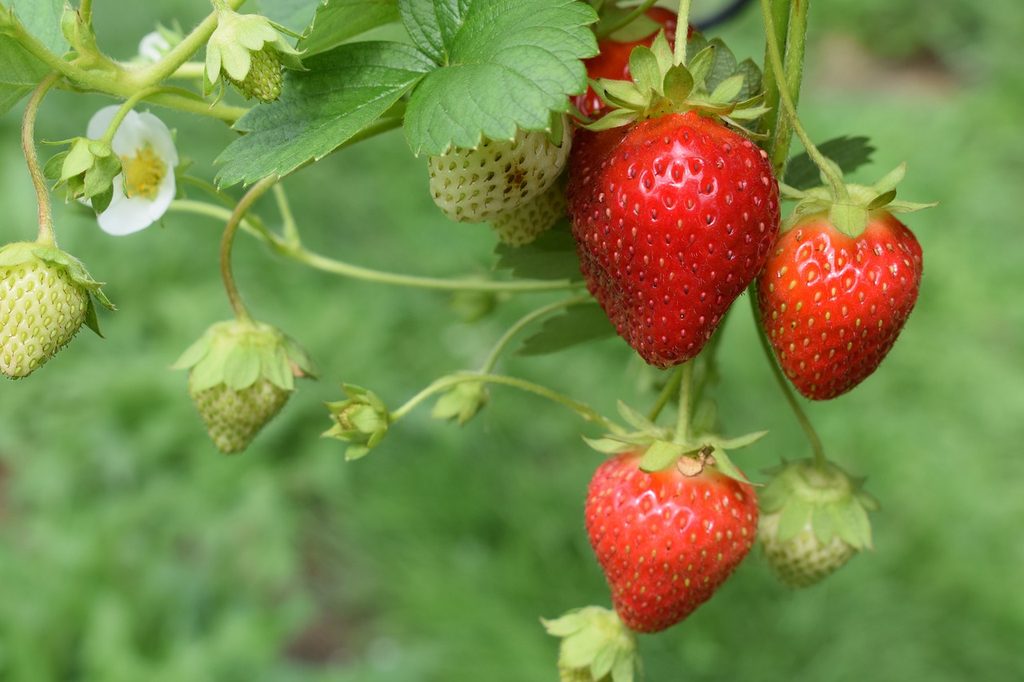
Strawberries are delicious and incredibly versatile. From topping baked goods to mixing into smoothies or just eating plain, there’s nothing quite like a fresh strawberry. It doesn’t get much fresher than straight from your garden, and luckily strawberries are easy to grow. They’re even easier to grow with proper companion planting. Choosing the right companion plants can give your strawberries a nice boost, so here are the best strawberry companion plants, and the ones that are better to avoid.
Cosmos
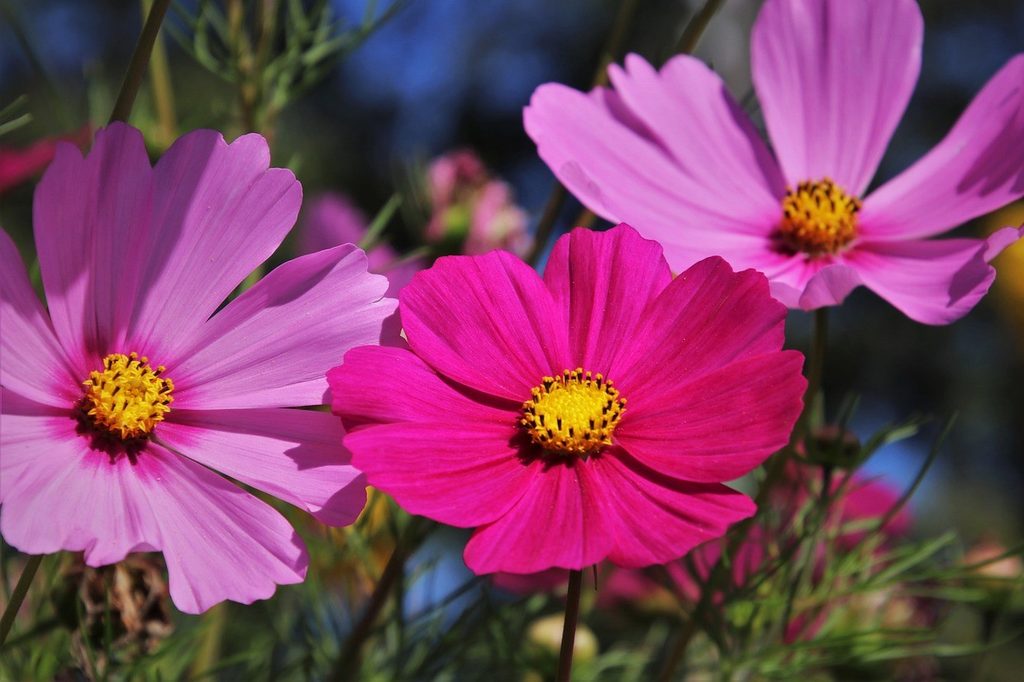
Cosmos are beautiful wildflowers that are remarkably easy to grow. They won’t compete with your strawberries for space, nutrients, water, or even time! Once planted, cosmos flowers require little care. Aside from occasional deadheading, you can let your cosmos take care of themselves and focus on your strawberries. In addition to just being beautiful, cosmos flowers are highly attractive to pollinators. Bees, butterflies, and ladybugs will all be drawn to your garden, which is good news for your strawberries. Cosmos also pair well with other strawberry companion plants, so you don’t need to worry about choosing just one companion for your strawberries.
Alliums
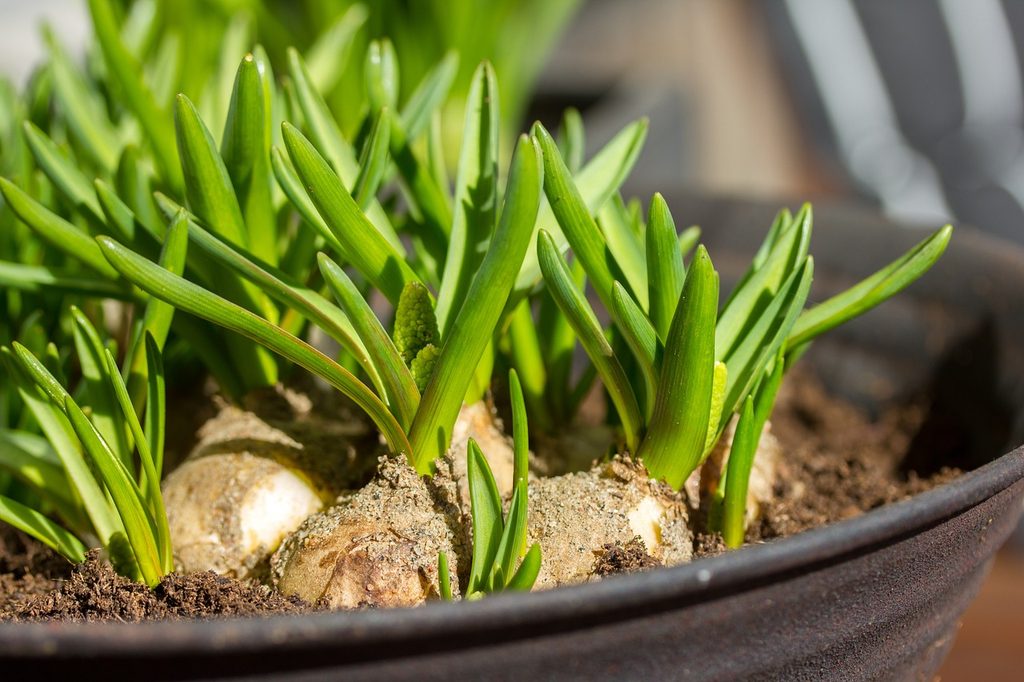
Alliums, such as onions, garlic, chives, shallots, leeks, and ornamental alliums, make excellent strawberry companion plants. They are said to ward off certain pests, and, in the case of an ornamental allium or an edible one that has bolted, the flowers are attractive to pollinators. Alliums take up little space and won’t compete with your strawberries, but they also have plenty of uses on their own. Edible alliums are delicious and versatile, making them great to have in practically any garden. You can also grow alliums in containers, so indoor or potted strawberries can reap their benefits as well.
Rhubarb
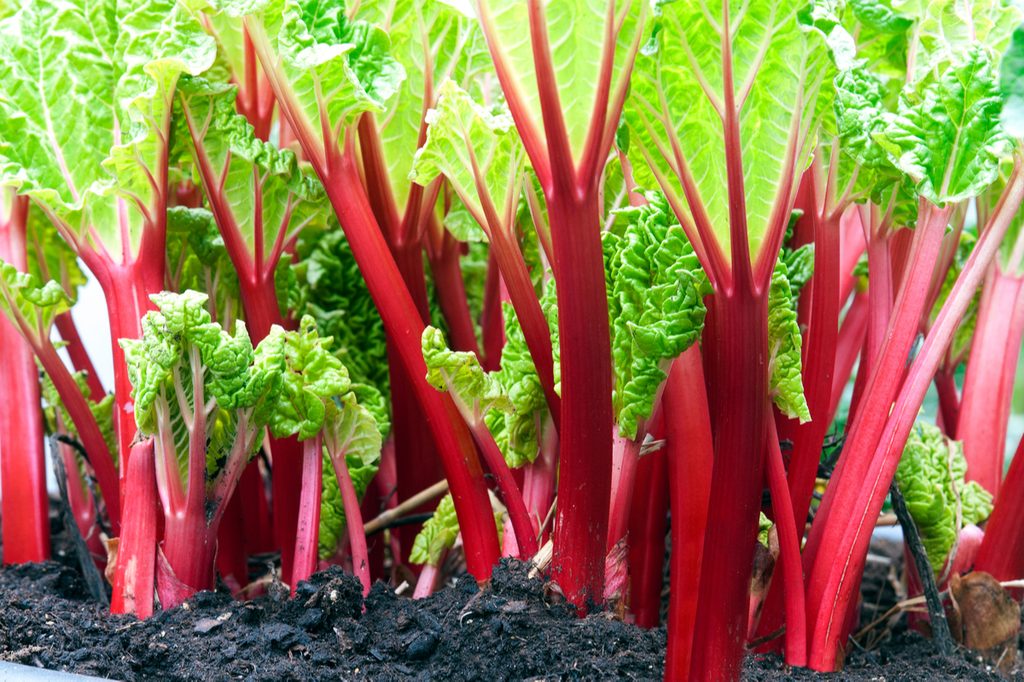
Rhubarb and strawberry go well together in many baked goods, but they grow well together in the garden, too! This makes rhubarb a convenient strawberry companion plant, as long as you’re a fan of strawberry and rhubarb. Additionally, both rhubarb and strawberry plants are perennials, so you can have a fresh harvest each year. While rhubarb requires a little more care than cosmos or alliums, it’s still an easy-to-grow vegetable. With full sun and well-draining soil, you can have a steady rhubarb harvest to go with your strawberries.
Marigolds
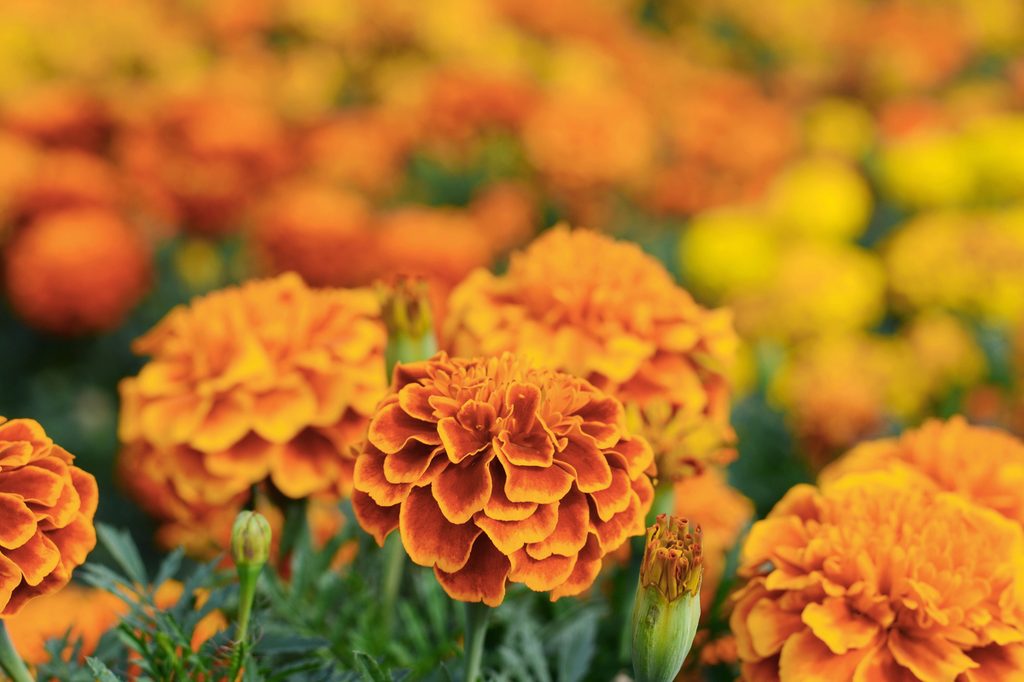
Marigolds have many of the same benefits as cosmos flowers. They won’t compete with your strawberries for space or resources and they attract many pollinators, including ladybugs. Marigolds do bloom later in the year than cosmos, making them better strawberry companion plants for a late summer or early fall garden. Marigolds are also said to repel certain pests, much like alliums. Some of this can be accounted for by their ability to attract ladybugs, which eat small pests. While this type of pest repellent isn’t perfect, it can help you cut down on the use of pesticides around your tasty strawberries.
Strawberry companion plants to avoid
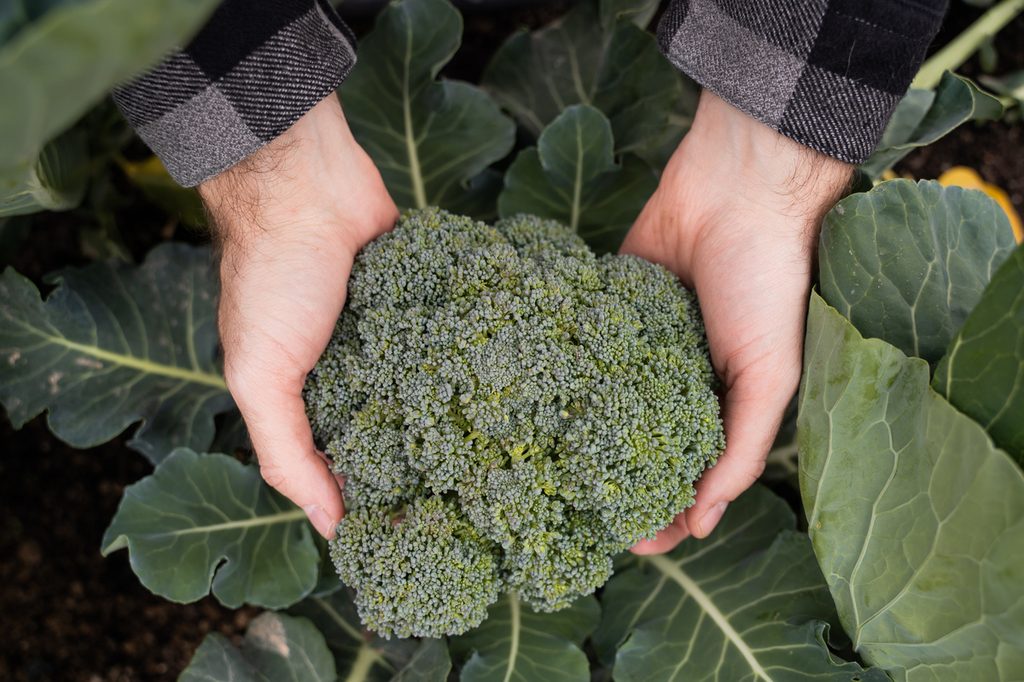
There are four primary types of plants to avoid growing near your strawberries: spreading plants, nightshades, brassicas, and fennel. Plants that spread quickly, such as blackberries, raspberries, melons, and mint, can overwhelm your strawberry plants. Plants in the nightshade family, including tomatoes, eggplants, peppers, and potatoes, are host to some common strawberry pests.
Brassicas, such as broccoli, kale, cabbage, cauliflower, mustard, and Brussels sprouts, are heavy feeders and will compete with your strawberries for nutrients. Fennel has a tendency to stunt the growth of nearby plants, making it an unpopular companion for any plant, including strawberries.
Strawberries are delicious on their own, but the right companions can give your strawberry plants all kinds of benefits. From protection against pests and attracting pollinators to just tasting nice together, there are plenty of reasons to grow plants together. Just be sure not to plant your strawberries alongside plants that will cause more harm than good. Too much competition, similar pest problems, and fennel aren’t great for your strawberry plants.