  1. Home
  2. Gardening
  3. How tos

What are those tiny red bugs in your garden, and what should you do about them?

Getting rid of tiny red bugs from your garden

Predatory mite
Tomasz Klejdysz/Shutterstock

No matter what plants you grow, your garden is going to attract a few bugs. Some of those insects are beneficial to your garden, like pollinators, but some of them can hurt your plants. Unfortunately, it isn’t always easy to tell if an insect is one you should worry about, especially if the insects are small. If you need help identifying tiny red bugs in your garden, here’s a simple guide for you.
Recommended Videos

Difficulty

Easy

Duration

1 hour

What You Need

  • Pyrid spray

  • Diluted boric acid

  • Cloth

  • Permethrin spray

  • Insecticidal soap

Spider mites on a plant close up
BirdShutterB / Shutterstock

Identifying the red bugs

There are two main types of tiny red bugs commonly seen in gardens: clover mites and spider mites. Although they are both tiny red bugs, it's fairly easy to tell them apart.

Clover mites

These are larger than spider mites, and they are most commonly seen in mild or cool weather. They are a rusty red color, and can appear slightly brownish in some lighting conditions. Clover mites primarily feed on grass and don’t often bother other plants. The damage caused by clover mites is minimal, and often the only sign that they’ve fed on your plants is silvery discoloration on the leaves.

Spider mites

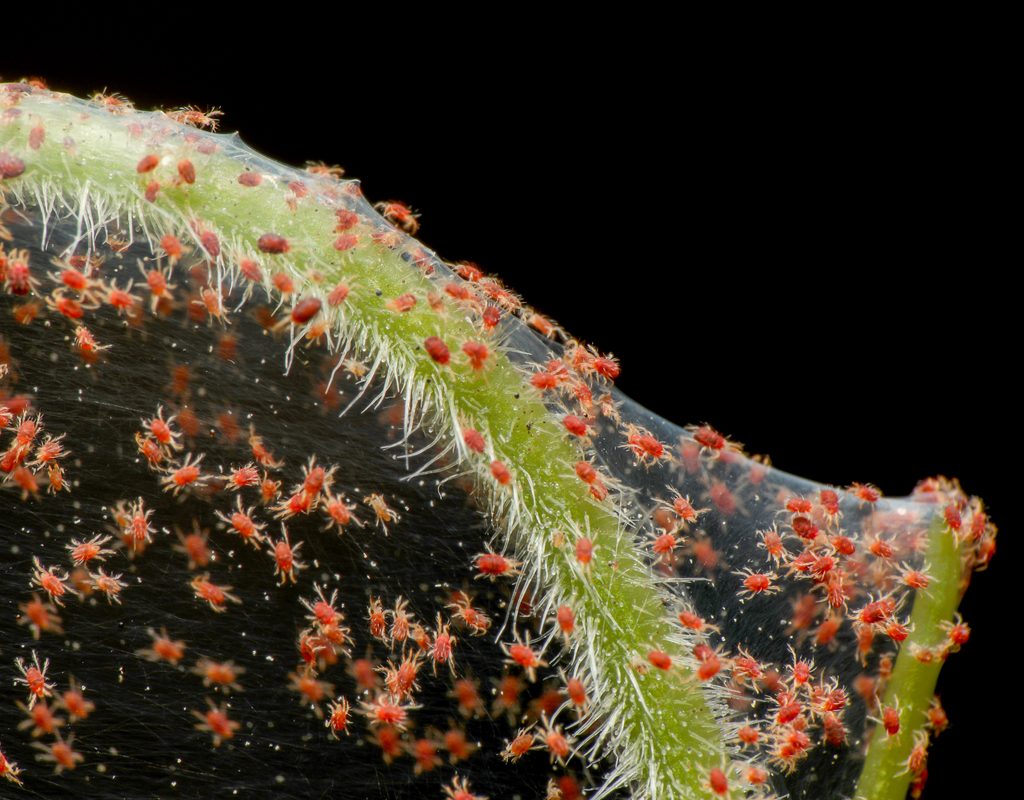
These tiny red bugs are much smaller than clover mites, making them difficult to see, and they prefer warm weather. Additionally, spider mites are not always red. They can also be yellow, brown, and even green. Despite being much smaller, spider mites are more harmful to your garden, as they prefer other plants over grass. They leave small white marks on the leaves, and the damage can cause leaves to droop or die. Some plants may also grow stunted or misshapen leaves or flowers. Additionally, spider mites can be identified by the small webs they build.

Close-up of a red spider mite
Egor Kamelev/Pexels

Treating clover mites

In most cases, clover mites don’t require any treatment. The harm they cause is minimal and often unnoticeable. However, if you’re seeing a severe infestation, here is how to get rid of them:

Step 1: Apply Pyrid spray to the affected area.

Step 2: Use a forceful spray of water to wash them away.

Step 3: Apply diluted boric acid to the affected area.

Boric acid can harm plants when used in large amounts, so be careful when using it in and around your garden.
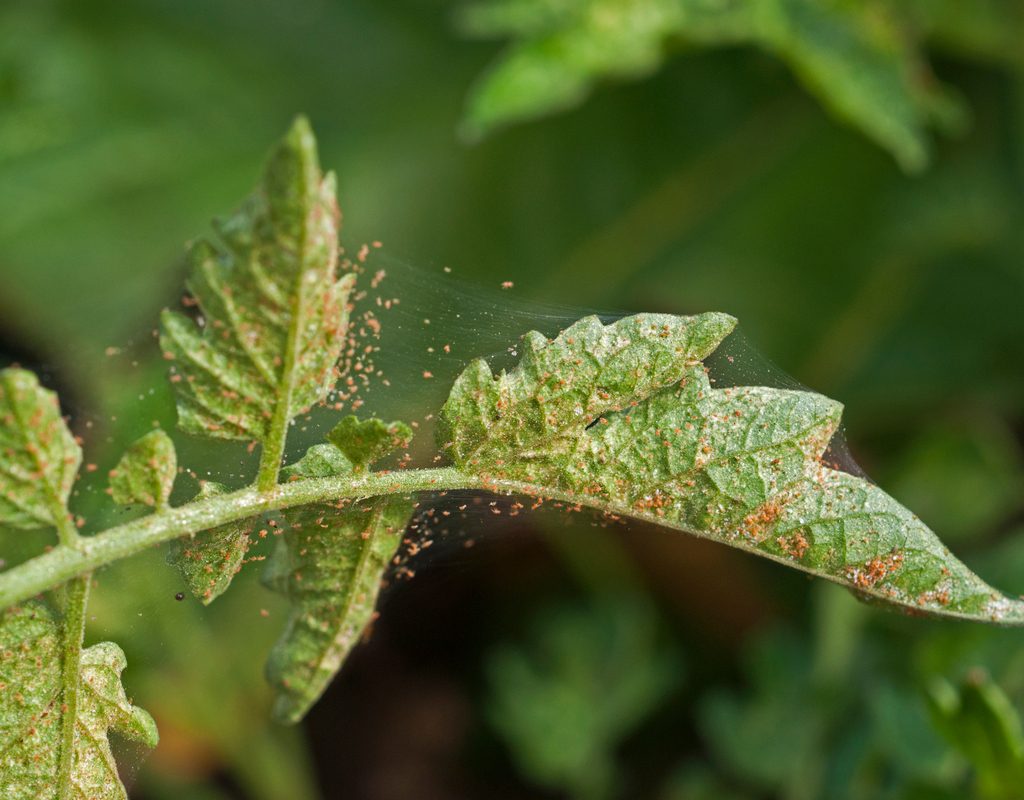
Spider mites on a tomato leaf
Catherine Eckert / Shutterstock

Treating spider mites

If you see spider mites in your garden, here's how to treat them:

Step 1: Wipe the plants with a cloth, removing any spider mites or webs you can see.

Step 2: Apply permethrin spray or an insecticidal soap to your plants.

You can even make your own insecticidal soap at home.

Step 3: Attract ladybugs to your garden.

Ladybugs are a natural predator of spider mites, so having them around will keep the population of spider mites low.

If the tiny red bugs in your garden are clover mites, then you can breathe a sigh of relief. They’re unlikely to seriously harm your plants and are more of a nuisance than a true garden pest. However, if you’re dealing with spider mites, you should act quickly to get rid of them before they damage your garden.

Keep Bermuda grass at bay with these lawn care strategies
Tips on keeping unwanted Bermuda grass under control
Manicured Bermuda lawn

Bermuda grass, also known as Cynodon dactylon, is a common type of lawn grass. Its toughness, adaptability, and creeping growth habit attract either appreciation or disdain from the homeowners, gardeners, landscapers, and others who plant it or are invaded by it. While it's hardy nature makes it a resilient lawn grass, its habit of spreading can make it a serious nuisance. Even worse, once it's spread into an area it's incredibly difficult to get rid of. If Bermuda grass is spreading into your lawn from the surrounding area or you've just moved into a new home with a Bermuda grass lawn you'd like to replace, then here are our tips for controlling it.

Read more
Sustainable gardening: Tips for a greener, eco-friendly garden
Make your garden more sustainable with these tips
Cupped hands holding soil and little seedling

Gardening can be a rewarding, fun, and useful hobby, but it can also be challenging at times. If you’re struggling to keep your garden healthy and happy, then it might be time to consider switching to a more sustainable gardening method. Sustainable gardening can make your garden easier to care for, and it’s better for the environment. If you’re wondering about what exactly sustainable gardening is and how it works, then this is the guide for you! We’ll explain what it is and help you get started with some tips and tricks.
What is sustainable gardening?

Sustainable gardening doesn’t have a single concise definition, and it can take many different forms. Unfortunately, that sometimes leaves gardeners (especially beginners) a bit confused. To break it down, sustainable gardening methods focus on the environment, including being mindful of what chemicals or invasive species are being introduced to the ecosystem and trying to mimic the natural conditions of the environment in your garden.

Read more
How to get rid of gnats without harming your plants
Follow these tips and get rid of gnats now
Potted herbs on a windowsill

In most cases, gnats are little more than a nuisance. For gardeners, though, a gnat infestation can spell devastation. While adult gnats don’t damage plants, the larvae will eat roots and leaves. In large numbers, they can cause serious damage. There are many pesticides on the market, but some plants are sensitive to the chemicals in them. Luckily, there are other options for controlling a gnat infestation, so you can save your plants without scorching their leaves. This guide on how to get rid of gnats in plants will explain everything you need to know.

Read more