From pumpkins to watermelons, there are many incredible gourds you can grow in your garden. While some gourds are ready to be harvested in summer or winter, fall is the season most often associated with gourds — and for good reason. Some of the most popular fall decorations are gourds, including pumpkins and many types of squash. What should you do if you want something a little more unusual, though? We have a list of six fun and unique types of gourds you should know about to get you started.
Speckled swan gourds
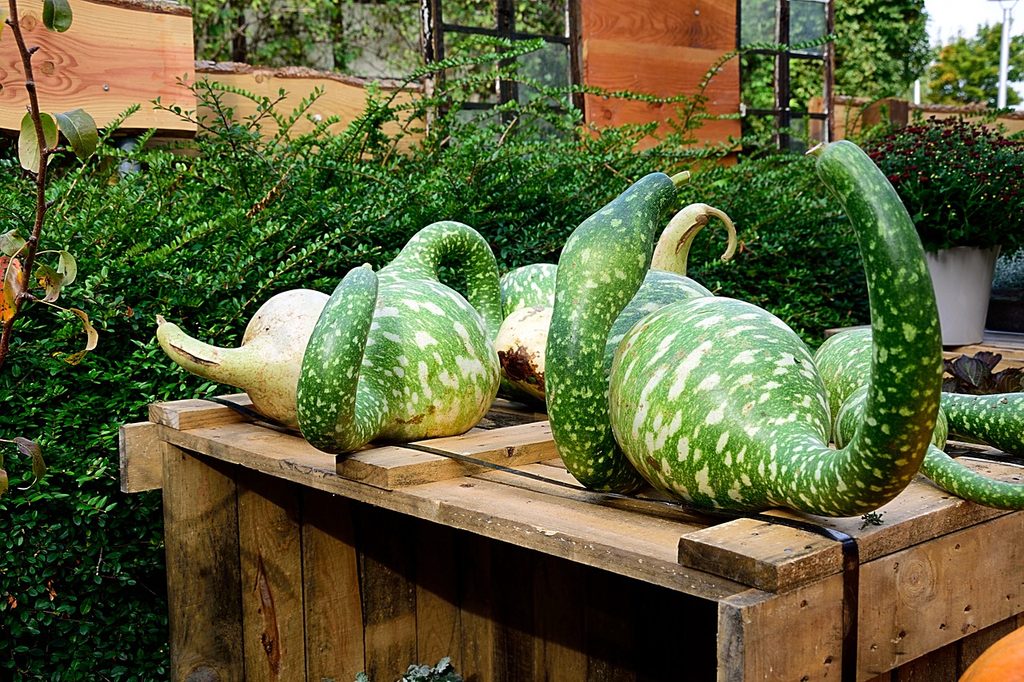
Speckled swan gourds are a type of calabash or bottle gourd, named for their distinctive shape. With a round base and long, curved neck, they resemble swans when placed upright. Speckled swan gourds are typically dark green with lighter green or cream-colored speckles or markings.
While they aren’t toxic if stored correctly, speckled swan gourds are typically ornamental, due to their unique shape. When dried, they can make a beautiful decoration for any time of year. Like most other types of gourds, speckled swan gourds prefer full sun, warm weather, and well-draining soil. These gourds can grow on a trellis, but they need to be supported to keep them from falling off the vine too soon.
Delicata squash
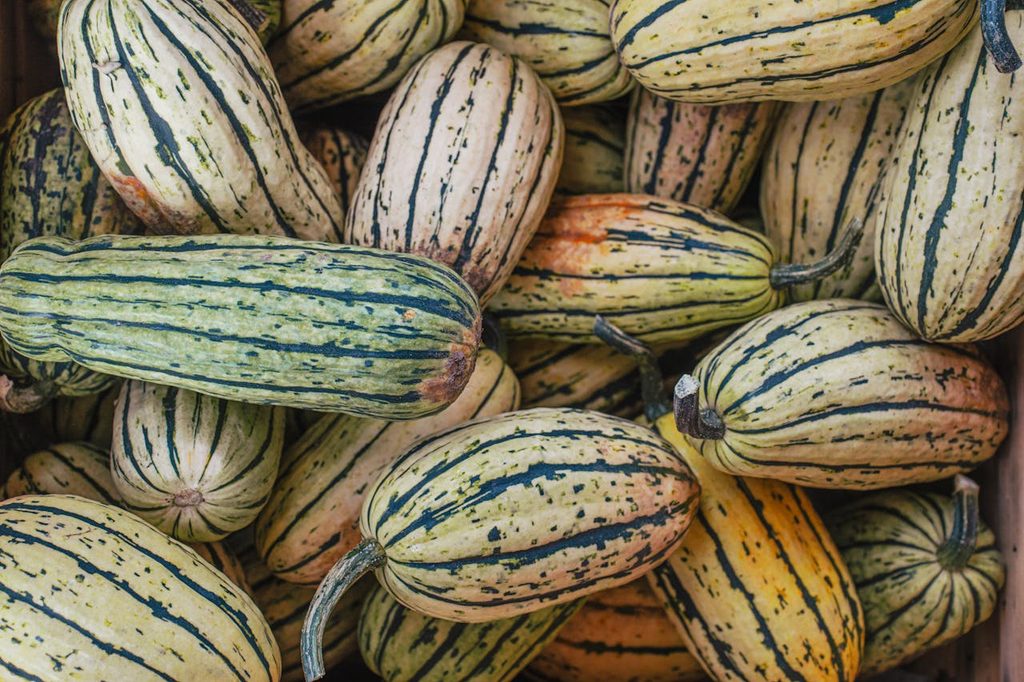
If you prefer eating gourds over looking at them, then the delicata squash should be on your list. This winter squash gets its name for its thinner, more delicate rind. It is delicious, sweet, and rich, and the internet is full of recipes that can teach you how to bake, roast, or candy your delicata squash for an amazing side dish or dessert.
While its flavor is the highlight for most, delicata squash is also a beautiful gourd. It has a creamy white or pale yellow skin marked with dark green vertical stripes. Whether it’s in your garden or on your plate, this squash is sure to stun.
Red kuri squash
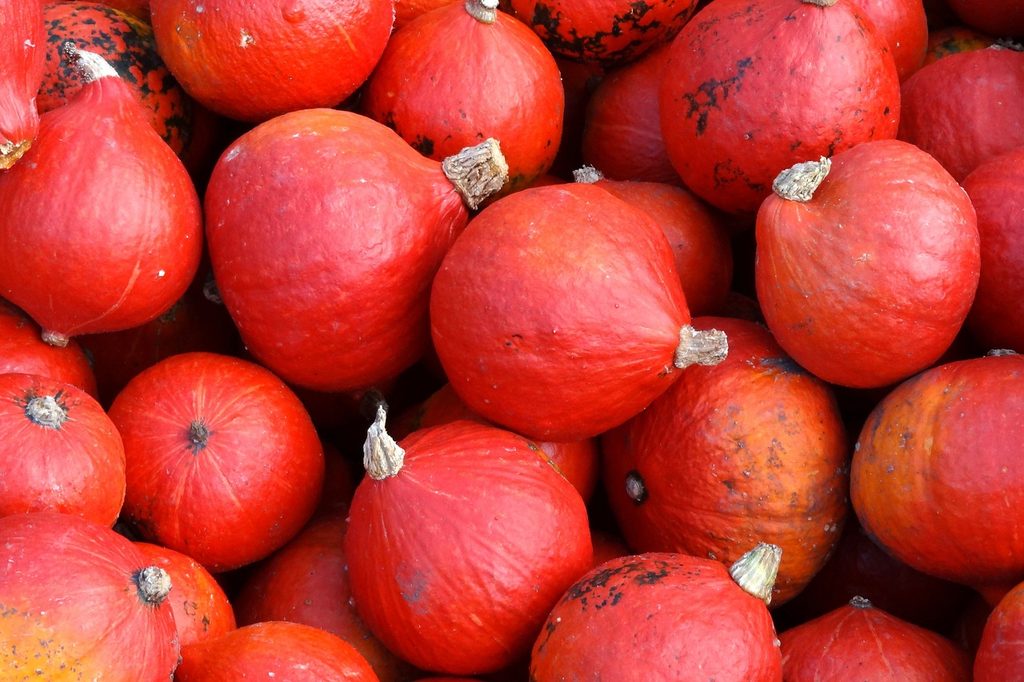
Red kuri squash, similar to delicata squash, can be used for decorations or meals. It’s a variety of Cucurbita maxima, a name you will see three more times on this list because of the wide range of shapes and sizes gourds of this species come in. Red kuri squash is a smaller variety, shaped like a fig with a dark reddish-orange color.
When dried, it can be used as part of a cute autumn display, and its smaller size makes it easy to store. When cooked, red kuri squash has a subtle and slightly nutty flavor that’s perfect for both savory and sweet dishes. It has a thin skin like that of the delicata squash, which makes for easier prep since it won’t need to be peeled.
Turban squash
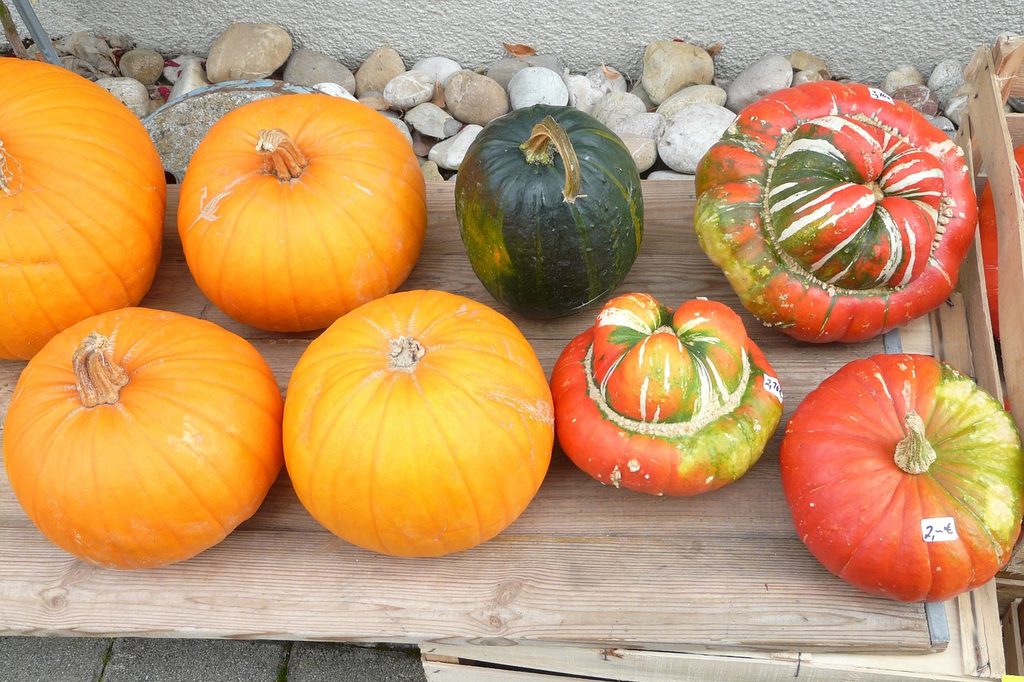
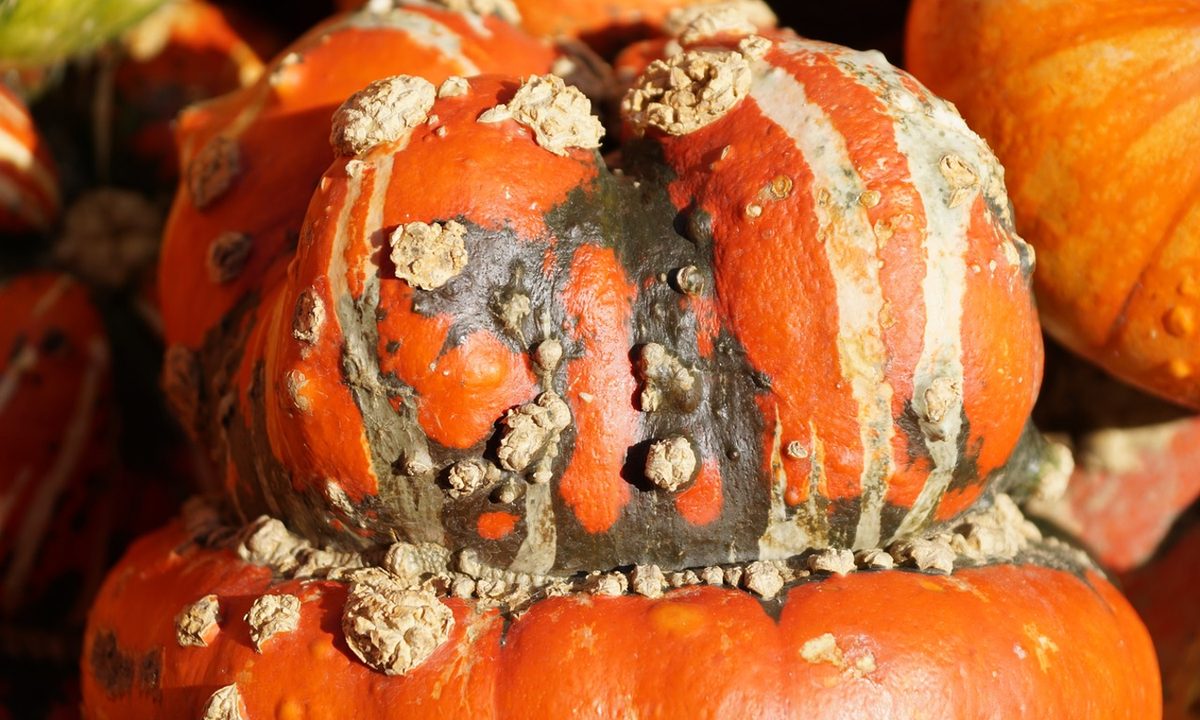
Turban squash is the second of our four favorite Cucurbita maxima varieties. While this variety shares the deep reddish-orange coloration of the red kuri squash, the shape of the turban squash really sets it apart. This gourd is divided into two halves, with one half being narrow and the other half being much wider. This gives the turban squash the appearance of a person wearing a turban, although some turban squash more closely resembles mushrooms or acorns.
In addition to the red-orange base, many turban squashes are streaked with dark green, and they typically have a rough beige strip around the middle where the two halves meet. They are largely used as decoration due to their unique shape, but these gourds are also edible! Some people even hollow out the larger half of the squash and use it as a soup bowl.
Cinderella pumpkin
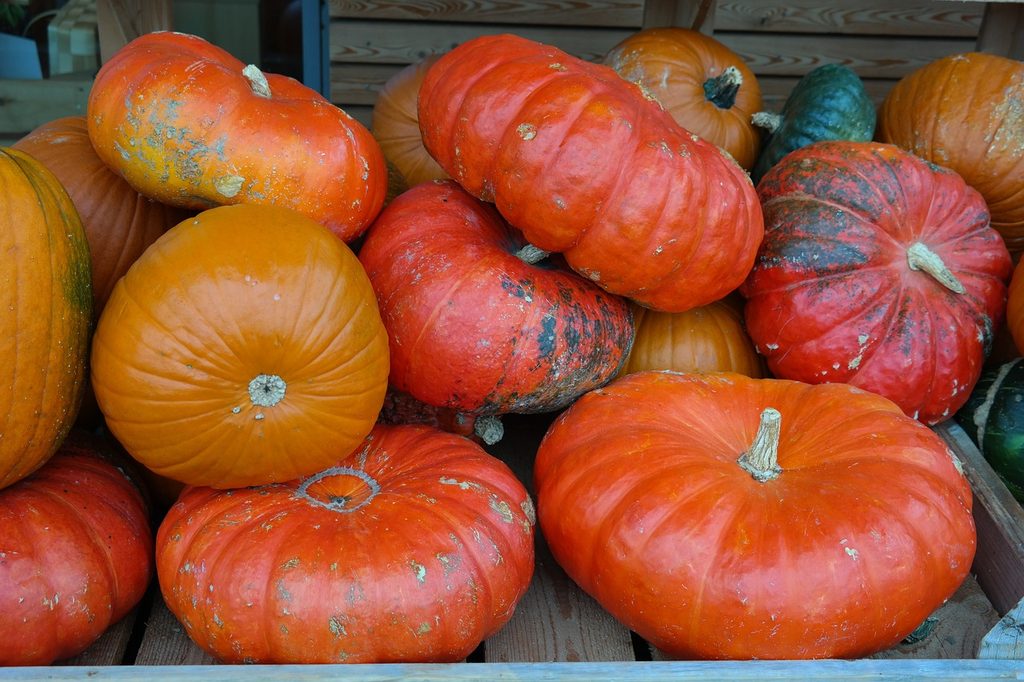
The Cinderella pumpkin is our third Cucurbita maxima variety, and its lovely dark reddish-orange color matches the first two. However, it has smooth skin and a wide, flat shape. Named after Cinderella’s pumpkin carriage, these pumpkins look like they could be straight out of an old fairytale.
This heirloom variety was originally grown in France, and you might find it under its French name Rouge Vif D’Etampes (which translates to Bright Red from Etampes). These pumpkins are perfect if you want your Halloween decor to be charming and sweet rather than spooky, and they have a sweet flavor to match their appearance.
Porcelain doll pumpkin

Porcelain doll pumpkins are of course, our fourth and final Cucurbita maxima variety. Unlike the others, this variety has a soft pink color. While it begins as a pale yellow or white color, it slowly turns pink as it grows, making it a fascinating plant to watch. The shade of pink can range from pastel to a slightly brighter pink, and even to a shade of orange-y pink reminiscent of a sunset.
These porcelain doll pumpkins have a slightly boxy shape, with deep grooves and smooth skin. While it has a sweet flavor that’s good for pies, most people prefer to leave these gorgeous gourds as decorations.
No matter what sort of gourd you’re looking for, one of these six types of gourds is sure to intrigue you. From the elegant porcelain doll pumpkin to the uniquely shaped speckled swan gourd, you have plenty of wonderful options to choose from for your garden, decorative display, or plate. If you have the space, why not try growing more than one?