Landscape fabric — it’s a tool that gardeners and landscapers either loathe or swear by. While landscape fabric can be limited in some respects, it definitely has uses in a garden, and there are different types of landscape fabric. If you’re deciding if it can be helpful for your outdoor space, here’s what you need to know about using and installing landscape fabric before you order it online or pick it up from your local nursery.
What is landscape fabric, and what are its benefits?
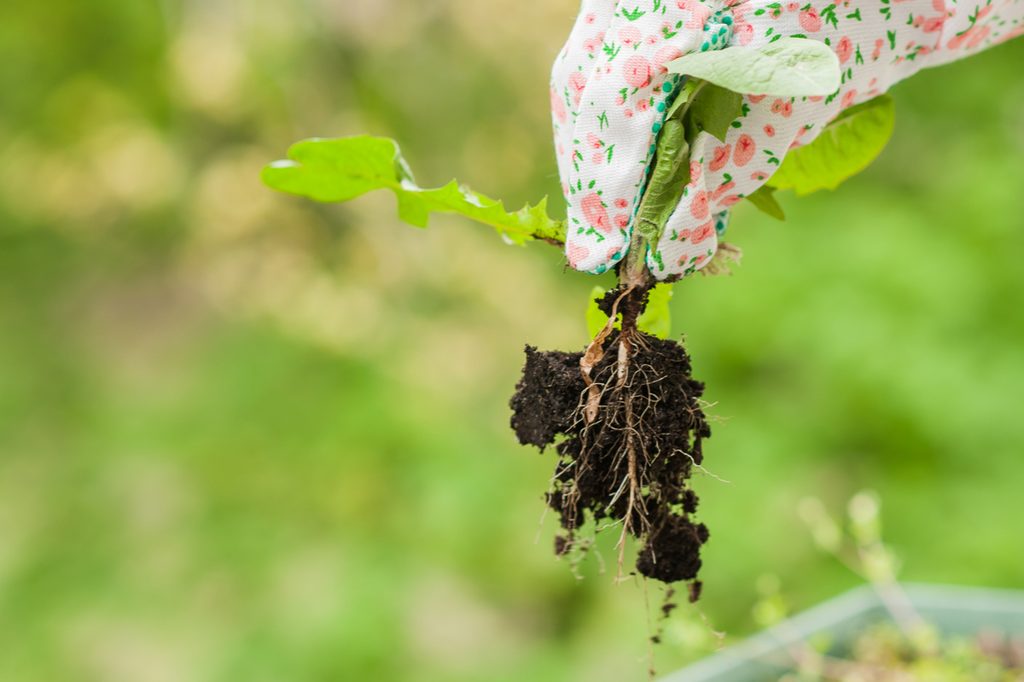
In its simplest definition, landscape fabric is a physical barrier that prevents weeds from growing. When people use landscape fabric, they’re often using it for perennials rather than annuals — annuals need to be replanted each year, so removing the landscape fabric every season can be a hassle. Here are some advantages to consider as you’re deciding to use landscape fabric for your garden.
- Helps with weed control: It can be helpful for allowing water to pass through but will inhibit competing weeds. It can also keep soil-borne pathogens out of your crops as well.
- Keeps soil warm: During the colder months of late winter and early spring, it helps keep soil warm.
- Helps with water retention: For particularly thirsty crops, the fabric aids with moisture retention.
- Reduces the impact of erosion: During rainy seasons, landscape fabric may be helpful for keeping soil from moving around. Erosion control can especially be important if you have plants sitting on a hill.
- Makes it easy to transport gravel: Those who have gravel in their gardens may find it easy to remove gravel later down the road by simply pulling up the fabric underneath instead of scooping up the gravel.
What you need to look for in landscaping fabric
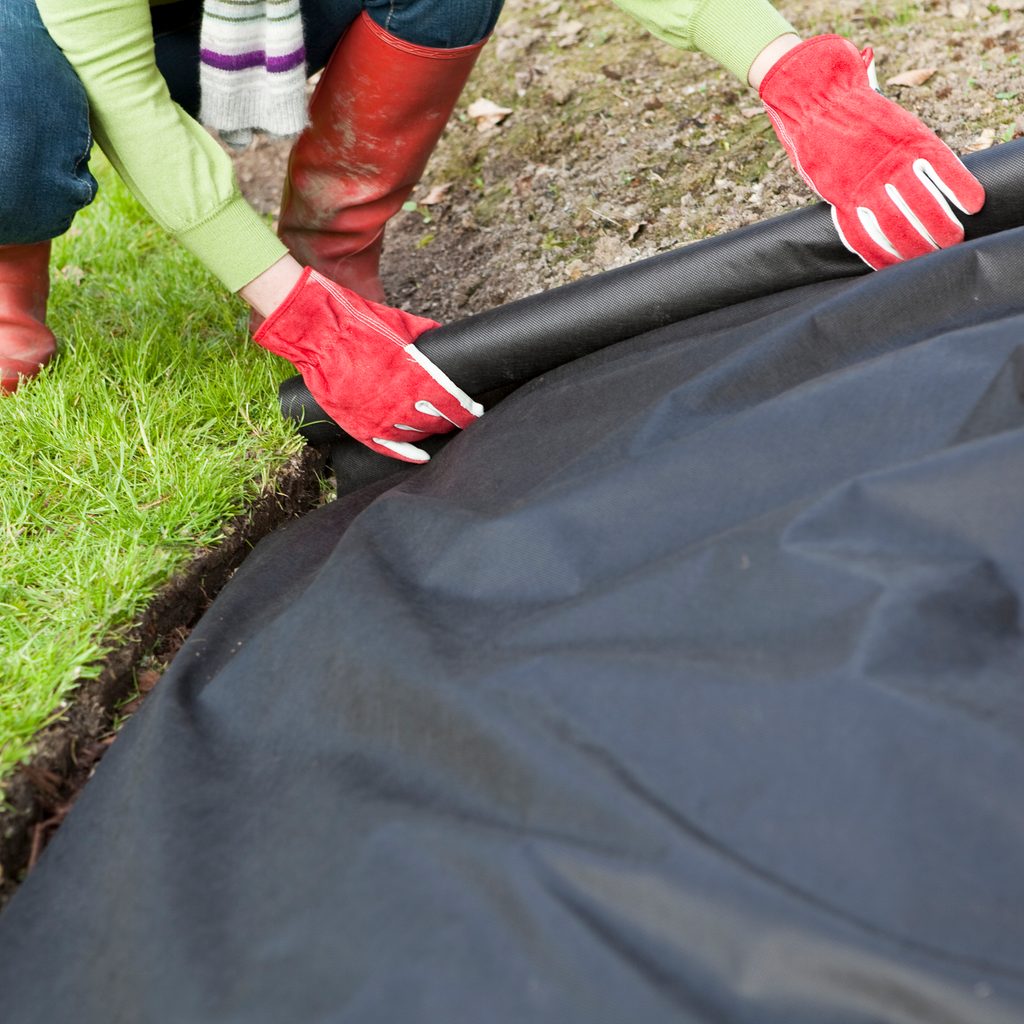
- Woven vs. nonwoven: Landscape fabrics are often made of linen or polypropylene. When shopping around for landscape fabric to use for plants, make sure it’s woven material and not made out of completely impermeable plastic. A weave will suppress weeds while still allowing water to go through. If you’re installing a rock garden, you should consider nonwoven material to suppress weeds — with rock landscaping you won’t necessarily need the drainage that a semi-permeable weave offers.
- UV resistance: Some landscape fabrics are UV resistant, which will help them hold up even when summer days become especially hot.
- Pre-created holes: Often, you may need to cut holes or slits into your own landscape fabric. However, some rolls come with pre-created holes so you can plant your crops right away. That said, you may need more or less space depending on what plants you’re specifically growing.
What you need to know about installing landscaping fabric
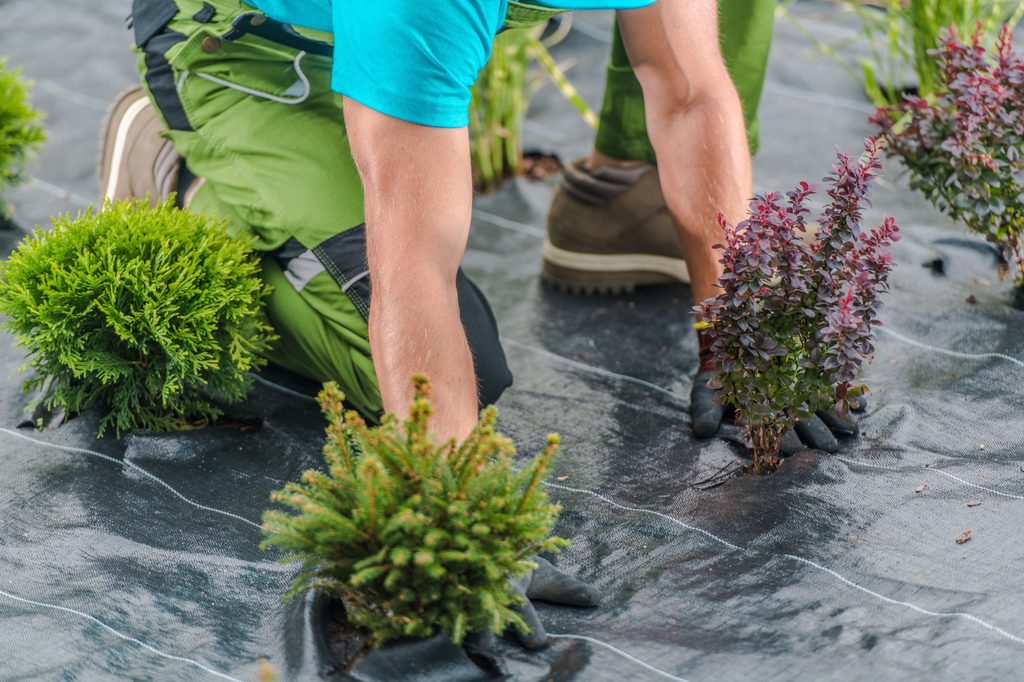
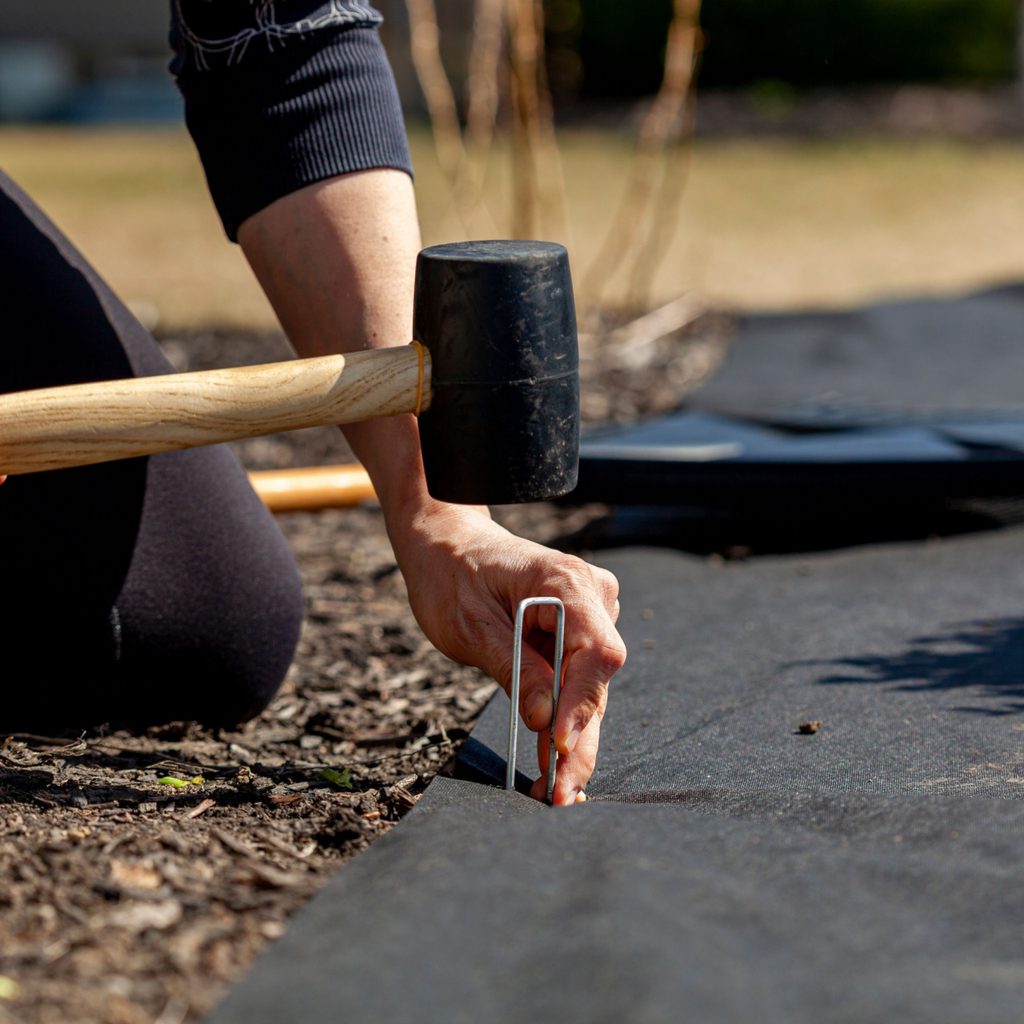
To use landscape fabric in the garden, you need to lay it out over the area that you want to cover. After preparing your growing medium with compost and other soil amendments, use pins or staples to secure the fabric. Create slits or holes for placing your plants and then place them in the ground. For extra protection from weeds, add mulch around your plants — it’s best to use inorganic matter such as gravel or sand. If you’d like, you can also install a drip irrigation watering system underneath your fabric to water your plants efficiently.
Over time, you’ll want to stay on top of landscape fabric maintenance. Basic steps include removing any organic debris from the top of your landscape fabric and replacing metal pins as needed. If your landscaping fabric has worn down significantly, you’ll want to remove it completely and replace it as well.
Potential disadvantages of landscape fabric
Landscape fabric works best for small areas, as well as parts of your yard where you don’t want growth. One common complaint about landscape fabric is that it doesn’t offer weed control for a very long time, which might make its upkeep more of a hassle than it’s worth. This is because pollinators and birds may drop seeds onto your mulch, which could break down into the soil over time and lead the way to weed growth, anyway.
You may also find poor fungus-prone or pest-prone soil underneath the landscape fabric later on, as there won’t be much air circulation — this isn’t an ideal situation for the plant roots sitting beneath your soil. And of course, landscape fabric is an additional cost, as you’ll usually pay $40 to $60 for a 400 square feet roll on top of mulch and other gardening supplies.
Alternatives to landscape fabric
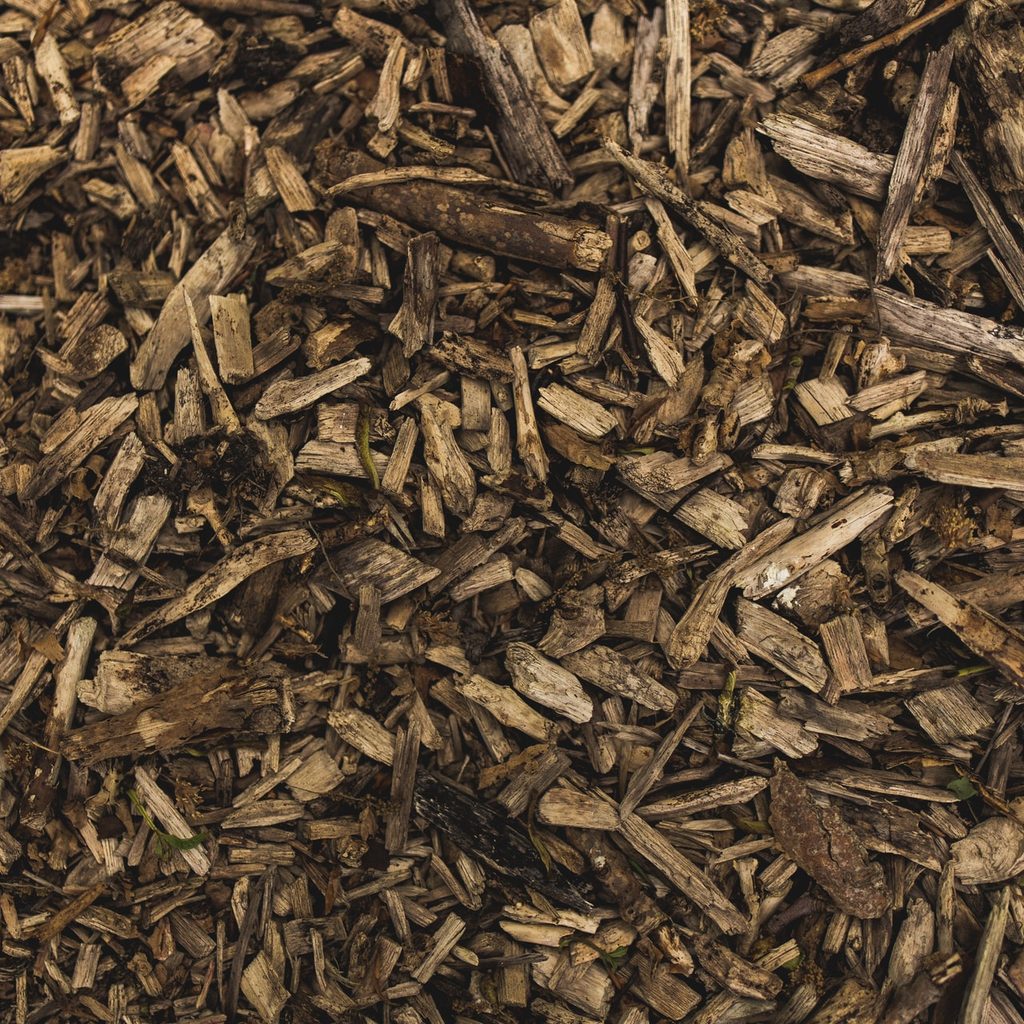
If you don’t want to use landscape fabric, you do have potential alternatives. Directly applying mulch onto a garden bed is the most common approach. Many gardeners use wood mulch for aesthetic purposes, but you can also use leaves or pine needles. To keep weeds from growing, you can apply a pre-emergent herbicide onto your mulch to prevent new growth from poking out. Of course, if you like having a physical barrier to reduce maintenance, you can also try fabric alternatives beneath your mulch — think cardboard or newspaper.
Now that you know the good, the bad, and the ugly of all things landscape fabric, it’s time to make your decision about whether it’s a good fit for your garden. Despite the bad rap that landscape fabric gets, it can be useful when properly installed and used with other weed-preventing methods. With or without landscape fabric, it’s always helpful to keep an eye out for weeds and other growing medium issues before they spread.