Most plants need soil to grow in, but not all soil is the same. There are heavy, dense clay soils and loose sandy soils, as well as many soil types in between. Clay and sand are easy to identify, but a soil type that’s less straightforward is loam. Loam soil is something that many plants prefer, but unlike sand and clay soils, which are named after their main ingredient, loam is a bit more obscure.
So, what is loam soil made of, why do so many plants love it, and how can you make it at home? This guide to loam soil will explain everything you need to know.
What is loam soil?
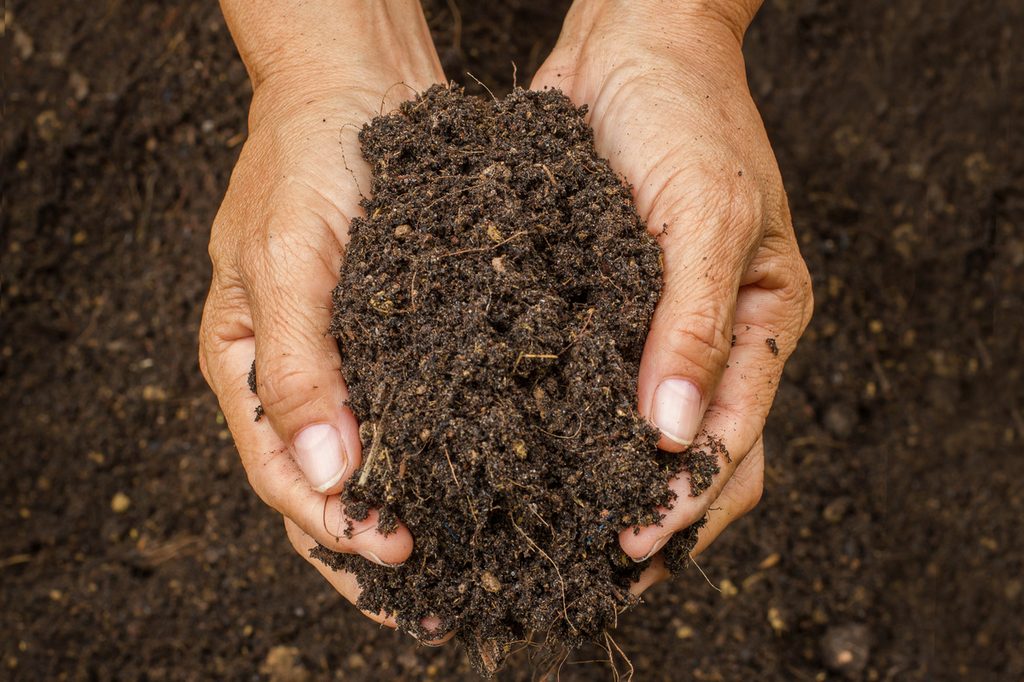
Loam soil is a type of soil enjoyed by many plants composed of sand, silt, and clay. Depending on the region, these three can be present in equal amounts or can be equal parts of two with a slightly smaller amount of the third. This mixture makes loam soil rich in nutrients and moderately well draining. It also tends to be looser, meaning air can reach your plants’ roots more easily.
This type of soil tends to have more organic matter than other types of soil, which contributes to its nutritional value, water retention, and airflow. Loam soil is typically available in warmer regions, particularly in areas with plant growth. However, you don’t need to get out your shovel and search for loam if you want some for your garden. You can also make loam soil at home.
Can you turn other soil types into loam soil?
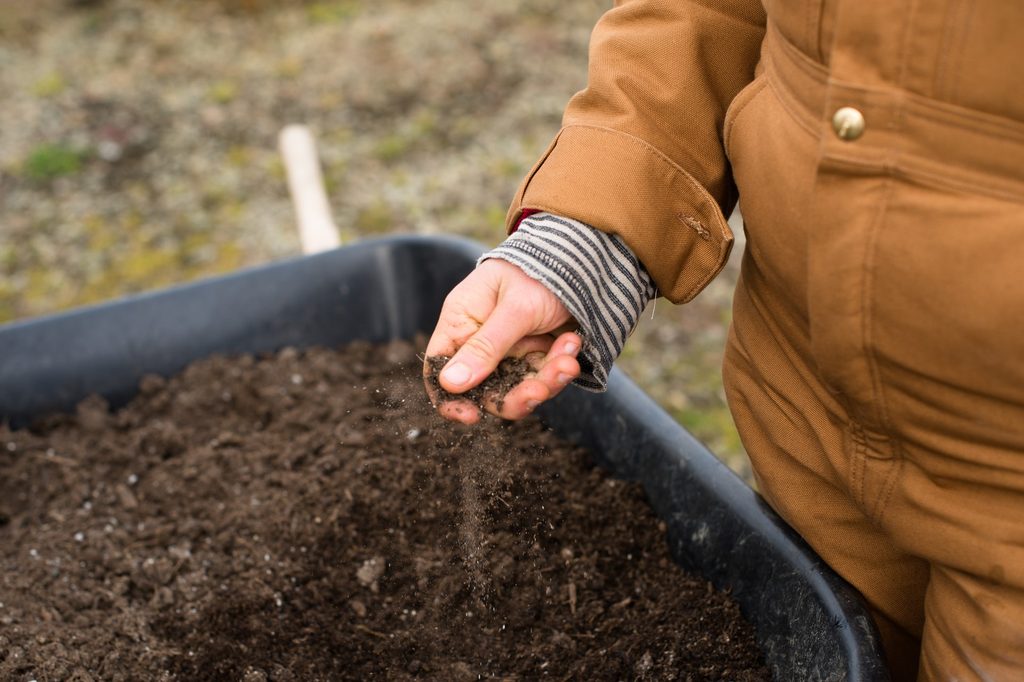
Yes! You can turn other soil types into loam soil or create batches of loam soil for use in container gardens. Keep in mind that it requires time, materials, and effort to turn one soil type into another, so it is much easier to do in small batches than it is large areas. If you’re trying to turn your garden soil into loam, for example, it will be tricky to make the entire garden loam.
Since loam is a mixture of silt, sand, and clay, there’s an easy recipe to follow to create it. You can mix equal parts of all three together, or you can mix 40% sand, 40% silt, and 20% clay. Add compost to your mixture to give it nutrients and organic matter, and it’s ready for your plants.
If you want to turn the soil you already have into loam, you’ll need to know what kind of soil it is. If your soil is sandy, add some clay and silt. Add sand and silt to clay-heavy soils. Since your soil is likely already a mix of multiple minerals, you won’t be able to get the exact ratio of sand, silt, and clay that a fresh batch or natural patch of loam soil would have. You will still receive many of the same benefits, though. If you want to get closer to the ideal ratio, you can test your soil to get an idea of its composition.
What are the benefits and drawbacks of loam soil?
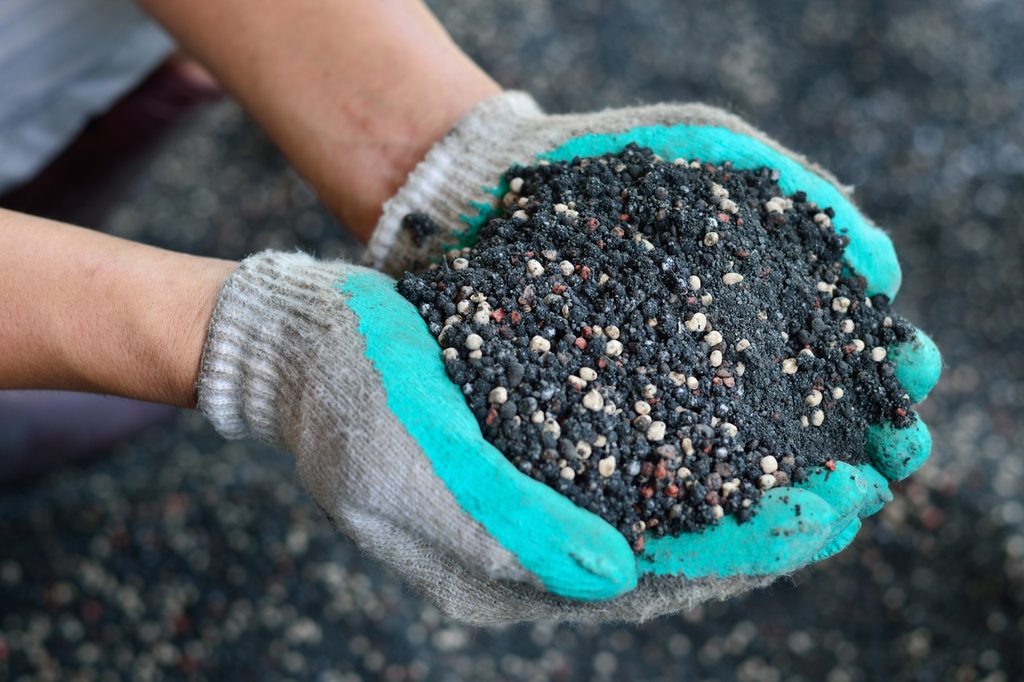
Loam is a versatile soil type, which is why so many different types of plants can grow in it. It has decent water retention and drainage, air is able to circulate through it, and it has plenty of nutrients. This versatility comes from the three primary ingredients, which balance each other out. Clay offers a stable hold for roots and is great for water retention, but on its own, it can become too dense and restrict both airflow and drainage. Sand is lighter, with faster drainage and improved airflow. However, without other minerals to balance it, water can drain too quickly through sand, preventing plants from absorbing it. Additionally, sand’s lightweight nature makes it more likely to blow or wash away by air or water. Silt serves as a neutral middle ground between the two, allowing them to mix effectively and balance each other’s flaws.
The primary drawback to loam is less about loam itself and more about its availability. Unless you have loam soil naturally occurring in your yard or garden, you’ll need to make it yourself. If you aren’t accustomed to making soil mixes, it can be tricky to get the balance right. An unbalanced loam is likely to drain too quickly or too slowly, which can lead to unhappy plants.
Putting your plants in the right soil type can save you a lot of time and effort down the road, and hopefully, that process is easier now that you know a little bit more about loam soil. While plants that prefer an extremely fast or slow-draining soil may not appreciate loam, its balanced nature makes it a good fit for most plants. So why not try mixing up a batch of loam soil for your next houseplants?