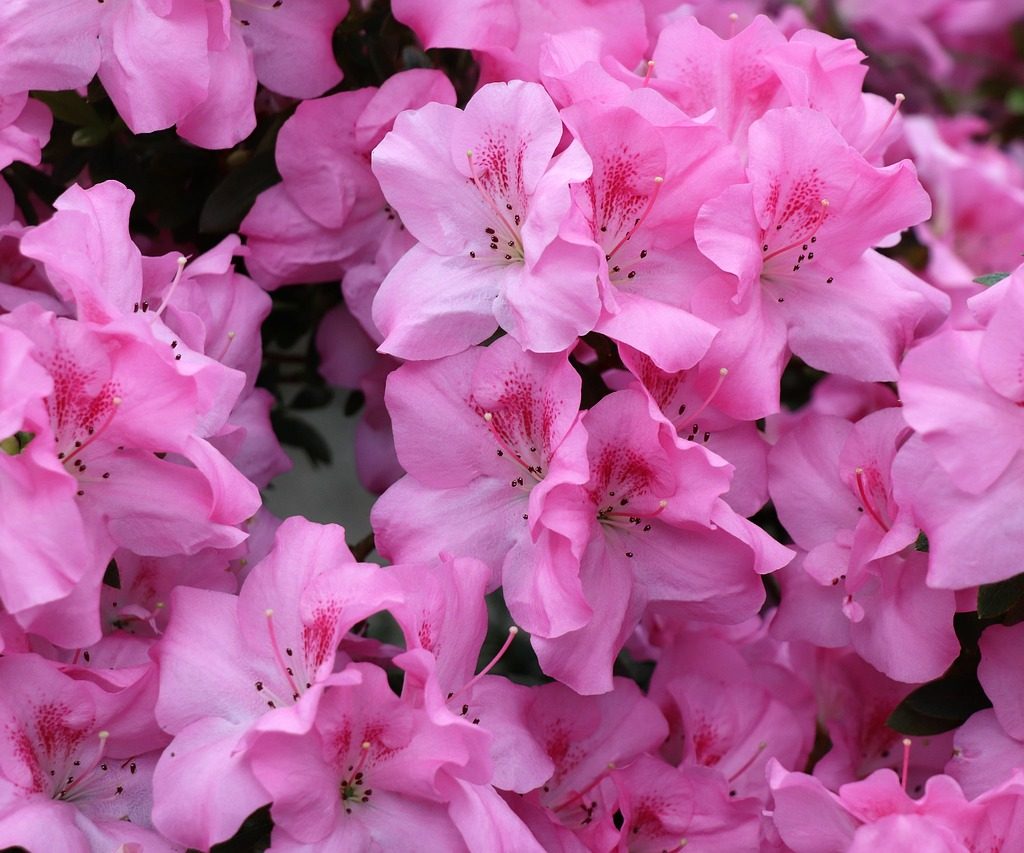
Azaleas are a popular flowering shrub, and for good reason! This native flowering shrub is known for its stunning flowers and ability to thrive in acidic soil that many other plants won’t grow in. As far as shrubs grow, azaleas have a low-maintenance care routine, but some gardeners struggle with fertilizing them.
If you’re wondering when do you fertilize azaleas, then this guide is for you! Figuring out when the best time to fertilize your azaleas is and what kind of fertilizer to get can be a chore. So let us do it for you! In this handy guide, we’ll lay out the factors that go into determining the best time to fertilize your azaleas and include a few tips for picking out a good fertilizer.
What kind of fertilizer do azaleas need?
All plants need the same basic nutrients, just in different amounts. Nitrogen, phosphorus, and potassium are the three nutrients needed in the largest amounts, while iron, boron, zinc, calcium, magnesium, sulfur, copper, manganese, and molybdenum are typically needed in smaller amounts, although they’re just as important.
The overall nutritional needs of a plant are usually met by the soil, but in poor soils or soils that happen to be lacking in a particular nutrient, fertilizer can help keep your plants well-fed. Specific fertilizers are also used to add extra nutrients into the soil, usually aimed at increasing the overall plant size or the size and brightness of blooms. For these, nitrogen and phosphorus-rich fertilizers are preferred. Before adding fertilizer to your soil, first test it to see what nutrients it may be low on, to make sure to target those and avoid adding too much of any one nutrient to the soil.
Azaleas grow specifically in acidic soils. Due to this, any additives you put into the soil run the risk of changing the soil pH, either by neutralizing it or by making the soil too acidic, depending on the contents of the fertilizer. It’s best to use slow- or controlled-release fertilizers, since the more gradual integration of the fertilizer decreases the risk of a sudden change in soil pH.
Azalea variety
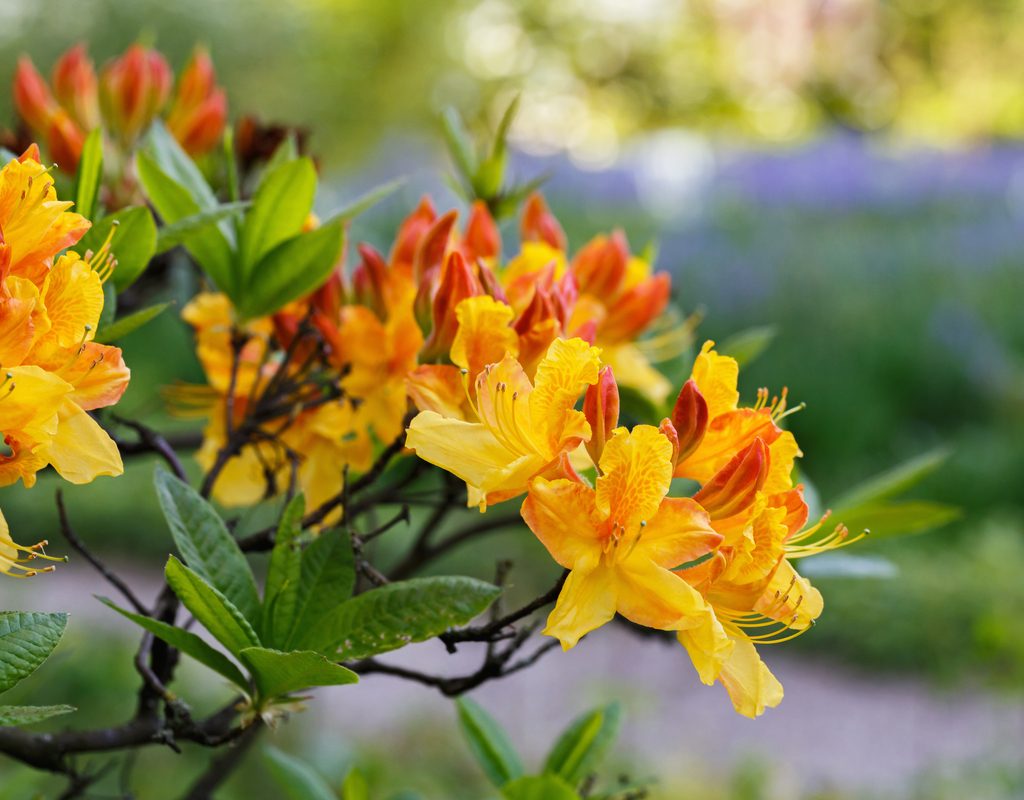
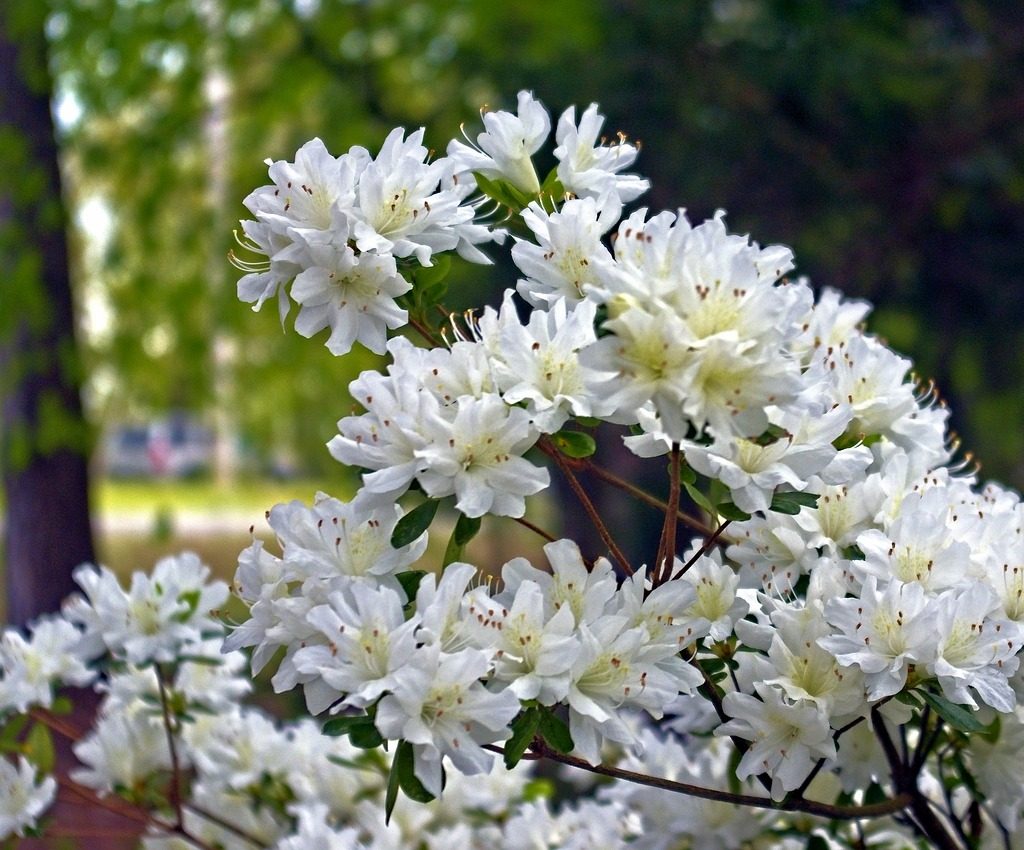
Azaleas all need the same general nutrients, so you may think that azalea variety doesn’t play a role in determining when to fertilize your plants. However, the azalea variety does have an impact, as not all varieties of azalea bloom at the same time. The best time to fertilize your azaleas is in spring, either during or just after their bloom. It’s best to avoid fertilizing them at the very beginning. Wait until the shrub has formed several flowers, rather than adding fertilizer at the first sign of buds opening. Depending on their variety, azaleas can bloom during any month from February to September.
Climate
Climate is important for two reasons. The first is that climate can affect bloom time. Azaleas generally bloom in warm weather. If you live in a climate with a mild winter and an early spring, then you may see azaleas blooming sooner than you might expect. Many azalea varieties will bloom again in late summer or early fall. In cooler climates, however, this second bloom may come earlier, last for a shorter period of time, or not happen at all.
The climate is also important to keep in mind if you live in an area with dry springs or summers. Fertilizers are absorbed more readily when the soil is moist. In regions with regular rainfall, this mostly means waiting until after it’s rained to fertilize your azaleas. In drier regions, however, you may need to water your azaleas manually before you add the fertilizer.
Age
When you first plant your azalea, it’s a good idea to let it get established in your soil without any additives. It’s also extremely easy to over-fertilize young plants. For this reason, it’s best to avoid fertilizing your azaleas during their first year. If they need a boost in nutrients, consider adding a small amount of compost to your soil instead of fertilizer. Once your azaleas are in their second blooming season, you can begin adding fertilizer.
What is the best homemade fertilizer for azaleas?
If you want to make your own fertilizer for azaleas, you have plenty of options! Nitrogen-rich compost is a great choice, as are grass clippings and leaves. Leaves can also benefit your azaleas in the form of leaf mulch. Leaf mulch keeps the roots of the plants warm through fall and winter, then adds nutrients back to the soil as the leaves decompose. Coffee grounds are another commonly used azalea fertilizer, as they provide both nitrogen and acidity.
Now you know everything there is to know about when to fertilize your azaleas. After their first year, during or just after their spring bloom, when the soil is moist, add some slow-release or controlled-release fertilizer. It’s a good idea to test your soil beforehand, though, so you can be sure you’re giving your azaleas exactly what they need.