If you’re looking to start a vegetable garden or just add to the one you already have, consider growing peas. These green pods are some of the easiest spring vegetables to grow — they even work as indoor vegetables. They tolerate cold temperatures and moist conditions quite well and don’t need much fertilizer to thrive. Best of all, their crisp texture and sweet flavor make them versatile veggies in the kitchen. The only thing that’s tricky about growing peas is knowing when to time your harvest. If you’re having trouble figuring out when to harvest peas, keep reading to know when to get the freshest, sweetest, and crispest peas.
Quick tips on growing peas
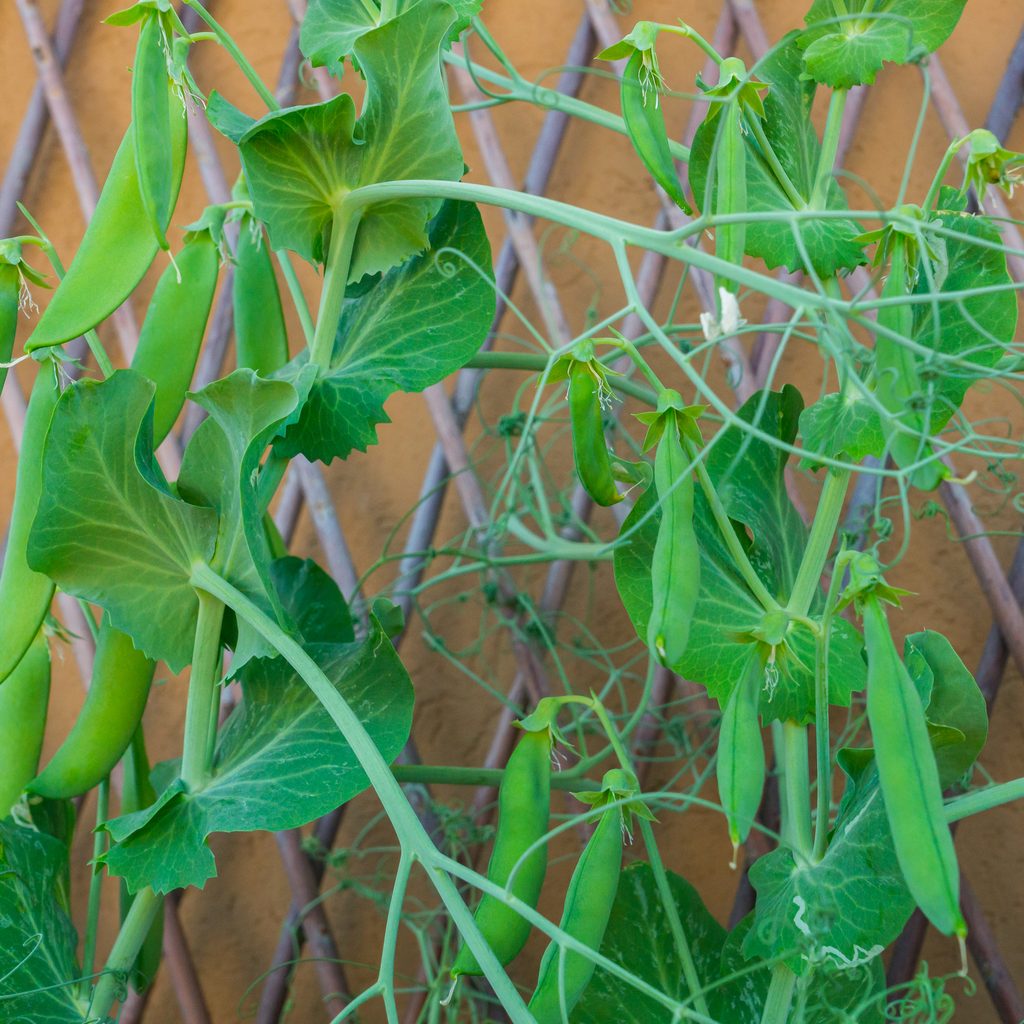
Even before you get to harvesting, you want to care for your peas so they grow healthy, strong, and delicious — luckily, they’re pretty low-maintenance vegetables. Here are some tips to start your pea-growing journey:
- Starting your peas: Start them early in the growing season, providing 5 inches of space between each plant.
- Lighting: When you establish your peas outside, make sure to give them full or partial sunlight.
- Watering: After starting your peas, give them ample water — but remember, you shouldn’t give them any more than 1 inch of water each week.
- Mulching: You can add mulch to your soil in order to keep your plants hydrated and your crop free from weeds.
- Fertilizing: At the end of the day, peas aren’t heavy feeders, but adding compost to your soil when you plant your peas can be helpful.
In which months are peas harvested?
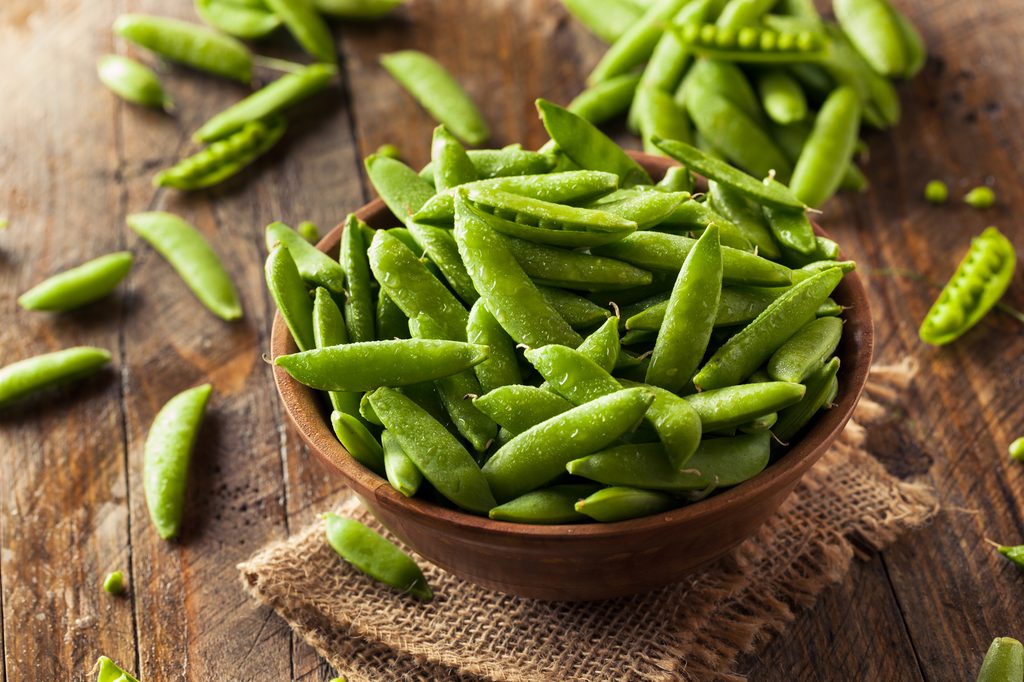
Peas are typically ready for harvest approximately 60 to 70 days after planting. Gardeners usually start peas about four to six weeks before the last frost in their area — the general timeframe to start peas is in the spring, between March and June. If you begin your peas in early March, you could hypothetically get mature peas by May. Those who live in warmer climates can also squeeze in a second growing season about six to eight weeks before the first frost, so October and November harvests are also possible.
Keep in mind that if you live in a warmer area, hot, dry summers can be detrimental to crops and lead to smaller peas. Consistently water, apply mulch, and use shade cloths on your pea crops if you want robust autumn harvests.
What are the different types of peas?
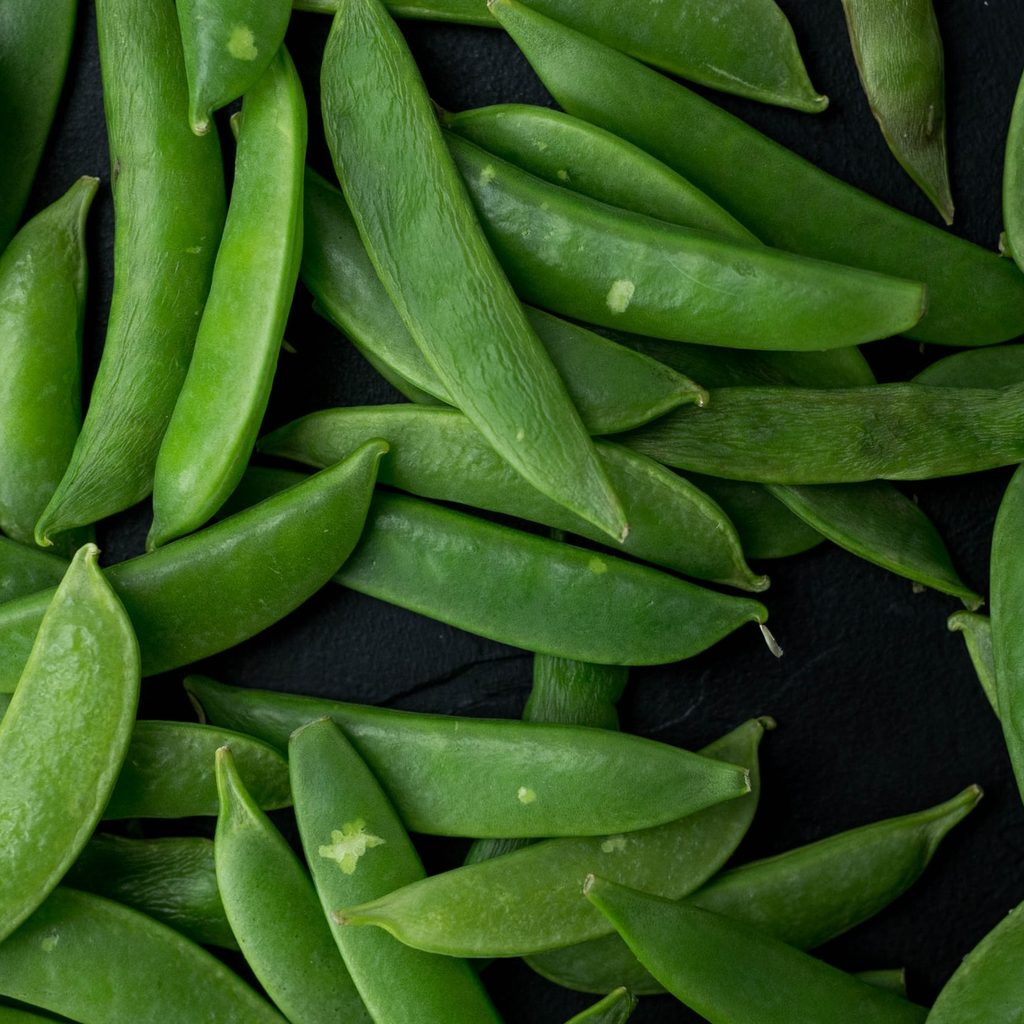
You want to check in on your peas when you start to see blooms. Just know that there are various types of peas, and each type might look slightly different at harvest time.
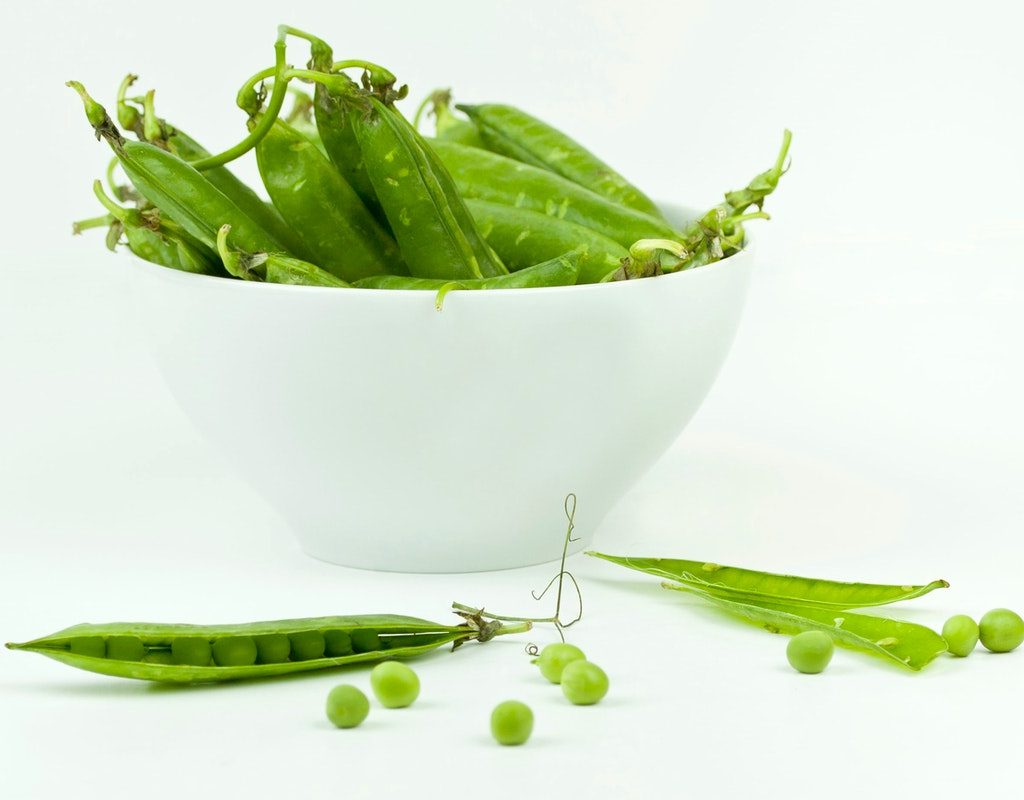
- Snow peas: Snow peas feature small peas with thin, edible pods. Harvest snow peas when the pods are around 2 inches tall; they should be slightly unripe.
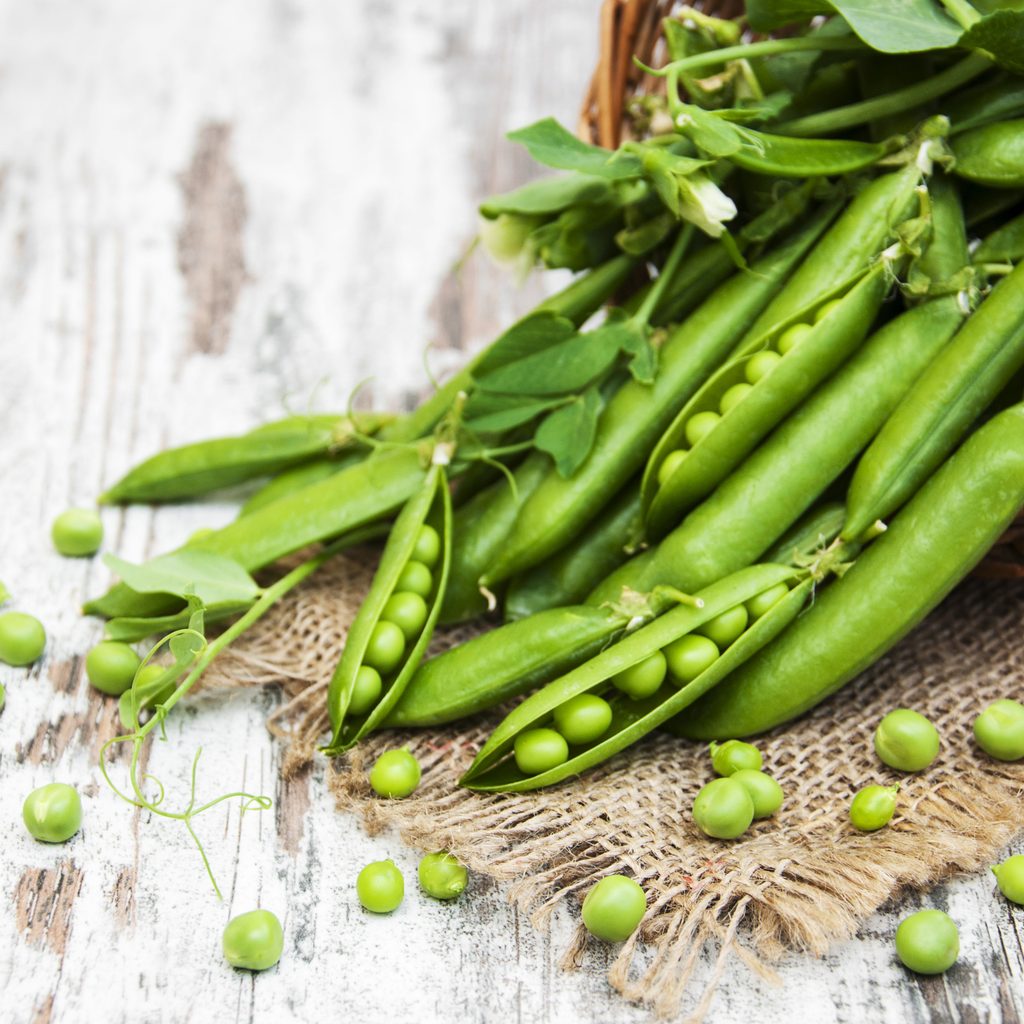
- Snap peas: Snap peas are slightly crisper and thicker than snow peas, but you’ll still be able to eat their pods. Pick them when the peas inside are round but not too swollen or firm. The pods should be green and have a slight sheen to them.
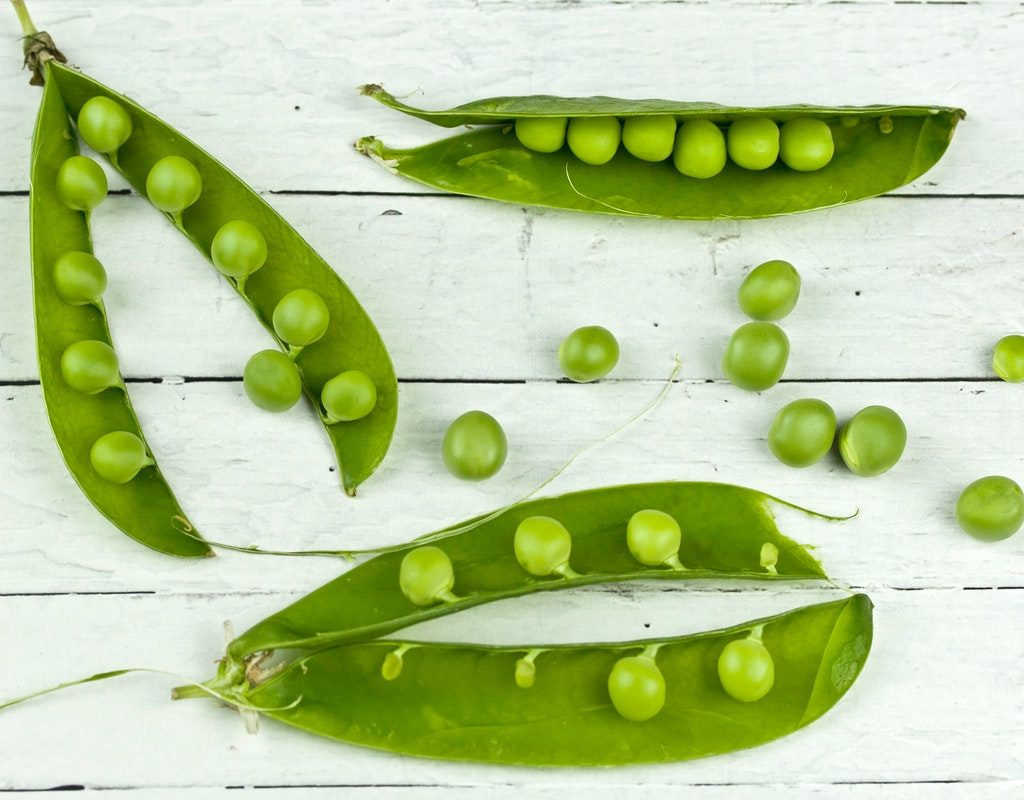
- Shelling or garden peas: Shelling peas are the shelled peas you may find in frozen or canned form at the supermarket. Ideally, you want to harvest these peas before their pods get too waxy. Again, the pods should be green and shiny, and the peas should be round and full.
If you harvest any pea plant too late, the pods will be dull and hard. While these pods may be too fibrous to eat, you could salvage the peas for eating. Bear in mind, though, that peas may lose much of their sweetness when they’re too ripe. You could also let the pods brown and dry to gather seeds for the next growing season. Store your seeds in a cool, dry, dark space — proper seed storage keeps them fresh for up to three years.
How do you pick peas off the plant?
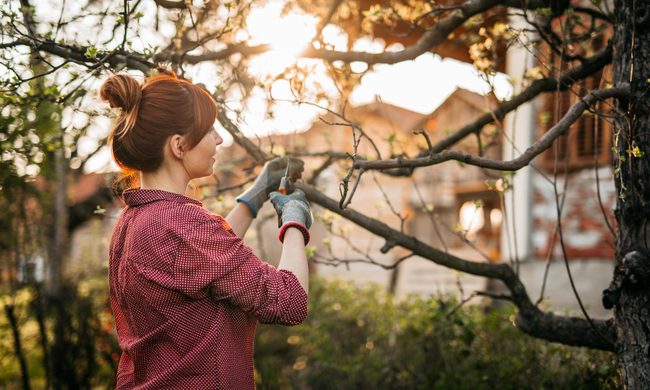
To harvest your peas, simply hold the vine in one hand and pull off the pod with the other hand, but be careful not to tear any fibers. You’ll want to eat peas right after picking them. You can eat them raw and plain or incorporate them into soups, stir-fries, and other recipes that could benefit from extra crispiness and sweetness. Popping them into the refrigerator should buy you about a week, but you can keep them even longer by freezing or canning them.
What happens when you harvest your peas too early?
Overly ripe peas are no good, but you may find that premature pea plants are also problematic. If you harvest your pods too soon, they will likely have very few seeds. Plus, the peas will be small and potentially too sweet. With that said, it’s better to err on the side of harvesting too early rather than too late when picking peas.
Do pea plants keep producing?
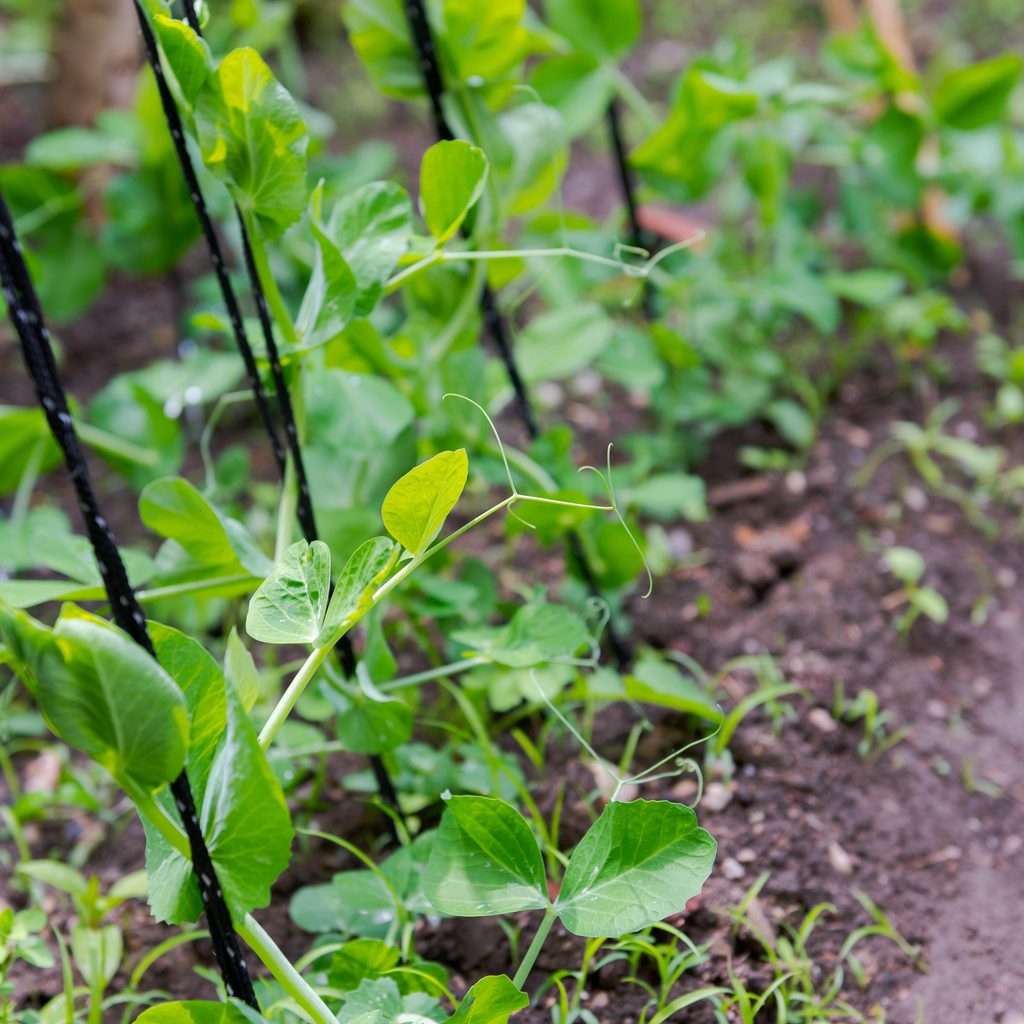
Pea plants can produce more pods if you stay on top of harvesting them. However, the plants eventually die down once hot weather hits around 80 degrees Fahrenheit. If you have a fall crop, they’ll die down when it gets too cold. Peas are typically annual vegetables, so they do best when you start them from seed the next growing season. To extend your current growing season, you can invest in mulch and shade cloths in the summer and frost blankets and greenhouses in the fall.
Peas are easy-going garden vegetables, but one of the main challenges that home gardeners have is knowing just when to harvest them. With snow peas, the ideal time to pick is when the pods are flat and shiny with immature peas. For snap peas and shelling peas, wait for the pods to be firm and green with rounded peas. Pluck your peas gently from their vines and add them to your favorite dishes, or enjoy them plain and straight from the vine!