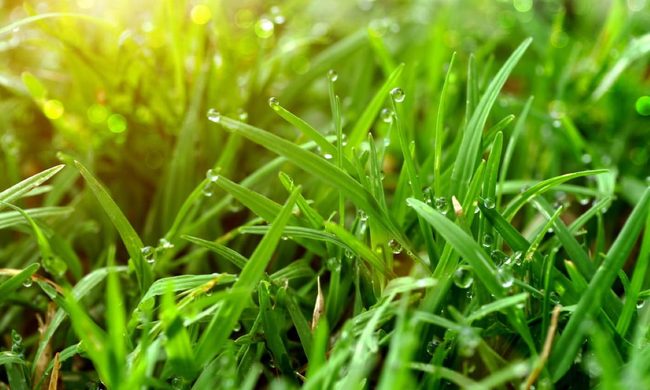

If you grow a lot of warm-season annuals, then your garden might be empty during winter. This can have some unfortunate side effects, which is why we recommend planting a cover crop. Cover crops have a number of benefits depending on which one you choose, ranging from replenishing the soil and preventing erosion to simply stopping your garden from looking quite so empty.
Winter rye is an excellent cover crop with plenty of benefits. This guide to growing winter rye will explain everything you need to know about what those benefits are and how to grow your own!
What are the benefits and downsides of winter rye?

Winter rye is excellent for reducing soil erosion, as it quickly grows into a dense mat of grass that blocks wind and water from taking off with your garden soil. This is especially important during winter, when snowmelt and strong winds can strip an empty garden of much of its loose topsoil. Once the weather warms up and the winter rye begins to die back, it also helps enrich your soil. That same thick growth can also act as a natural mulch if left or worked into the soil to break down and add nutrients to the soil.
However, there is a downside to this lush growth. Sometimes, winter rye doesn’t die back when it should. It’s a hardy plant with thick roots, and if there is water and sun to fuel it, it will continue to grow. This can cause problems when it’s time to plant your spring garden. While there are still ways you can get rid of your excess winter rye, it can be more difficult than dealing with a more relaxed cover crop.
Planting winter rye
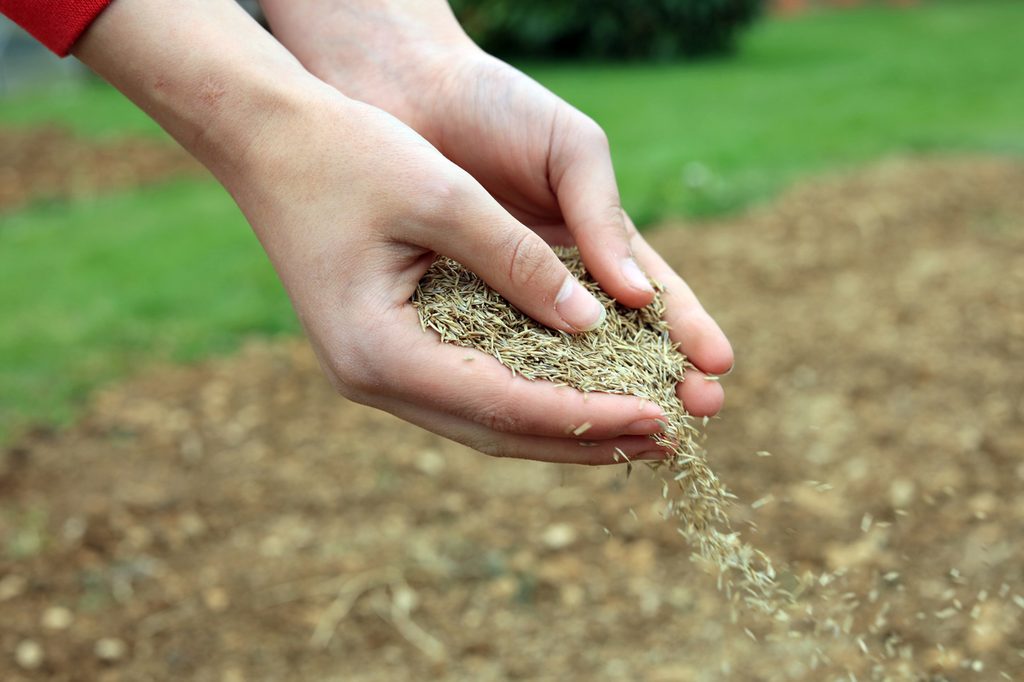
Winter rye is a type of grass, and you can plant it just like other types of grass seed. Simply scatter the seeds thickly over the patch of land you want covered. You don’t need to cover the seeds, and if you have a large area, you can use a grass seed spread. Winter rye grows best in full sun, but it will grow well enough in partial shade. Winter rye is also not picky about soil types. While it thrives in loamy soil, it will still grow even in denser, heavier soils. This adaptability is part of what makes winter rye such an effective cover crop.
Ideally, you should begin planting your winter rye in fall, when the weather begins to cool off. In warmer regions, this is typically mid to late fall, while gardeners in cooler regions can begin planting earlier. If you aren’t certain (or if you’ve missed the window already), don’t worry. Winter rye can still germinate in cold weather, so planting it late is alright.
If you’ve seeded your lawn before, there’s one difference you should be aware of. When seeding your lawn, you may have used weed and feed or another fertilizer that is scattered along with the grass seed. This is not necessary when planting winter rye as a cover crop, and can actually cause more problems for you when it’s time to get rid of your winter rye to plant your next garden.
Winter rye care

Winter rye needs little in the way of care, particularly as a cover crop. If you want to grow it as a lawn grass, then semi-regular watering and mowing are in order. However, one of the nice things about cover crops is that you’re not growing it simply to fill the space and benefit the soil.
They don’t need long-term maintenance because they’re being grown for a short-term need. If you have a particularly dry winter, then watering your winter rye can be helpful. However, this plant is hardy, and really only needs maintenance if you’re planning on growing it beyond the season.
What to do with your winter rye in spring

Once spring rolls around, it’s time to cut back your winter rye to make room for your spring flowers and vegetables. If your winter rye isn’t naturally fading, there are a few ways to speed the process up. If you have some time to wait, you can smother the grass using a tight-fitting plastic tarp or other cover. This blocks light and water from reaching the grass and increases the heat around the grass. For a quicker approach, scalp or mow your winter rye as close to the ground as you can and use a shovel or other tool to break up the remaining roots.
Winter rye is a hardy and enthusiastic cover crop. Sometimes, it can be a little too enthusiastic, but it does come with a number of benefits for your garden. It can prevent erosion and even replenish your soil or act as a living mulch. Whether you decide to grow winter rye or something a little tamer, your garden will benefit from a cover crop.