Hailing from tropical America, the diverse philodendron genus includes the most low-maintenance and accessible plants out there. Philodendrons are generally beloved for their easy care requirements in addition to coming in striking shapes and colors. Typically residing beneath shady trees in rainforests, most are fast growers that can thrive with moderate light, fertilizer, and water indoors as houseplants. Since there are around 480 philodendron types out there, where do you start? From the ubiquitous cordatum to the striking Birkin, let’s take a look at the best philodendron plants to add to your collection!
Philodendron cordatum
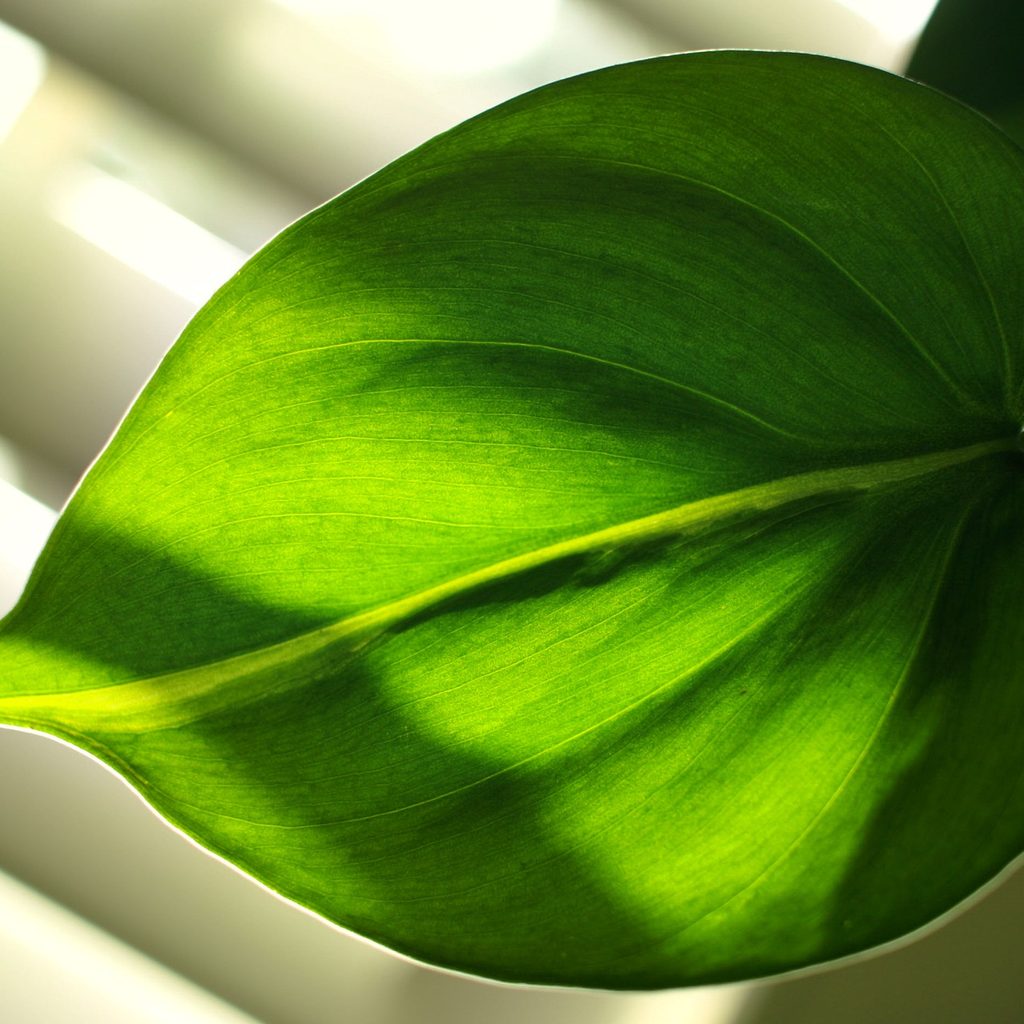
The cordatum is the epitome of a heart-leaf philodendron plant. With vining, heart-shaped leaves, this prolific beauty is easy to care for, even when you leave it in low light and let its soil dry out. As long as you give it a well-draining potting mix and water it occasionally, it will reward you with gorgeous trailing leaves. With diluted all-purpose fertilizer and bright indirect light throughout the growing season, this philodendron will push out larger leaves at a faster rate.
Philodendron brasil
Sometimes, you’d be surprised with just how creative and artistic nature can be! The philodendron brasil is another heart-leaf variety that features dark green leaves with gorgeous yellow-green stripes that almost appear painted on. Its care requirements are very similar to the cordatum’s, so you won’t need to worry about watering it frequently. That said, the more light that you give the brasil, the stronger its variegation will be.
Philodendron Birkin
Who needs a Birkin bag when you have a philodendron Birkin? This self-heading (meaning, non-climbing) philodendron is absolutely stunning with its glossy dark green leaves marked by creamy pinstripes. Just keep in mind that the Birkin is a slow grower and won’t immediately produce its prized stripes when it’s a young or small plant. While the Birkin is relatively low-maintenance, it tends to push out more variegation the more light you give it. The Birkin isn’t actually found in the wild — it came about as a rare mutation in the Rojo Congo variety.
Philodendron micans
What makes the micans stand out among all the other philodendrons is its velvety trailing leaves that range from a dark green to deep rust color. Although similar in appearance to many heart-leaf philodendrons, the micans is relatively compact and small. The leaves usually stay under three inches in width, but consistently feeding your plant every week during the growing season will encourage leaves to grow bigger.

Philodendron Xanadu
Sometimes called the Winterbourn philodendron, the Xanadu is a lush, lobed variety that can grow up to six feet wide. While non-climbing, it can grow outwards very fast, so you’ll want to have the space for it, unless you want to keep bumping into it! Give your Xanadu plenty of indirect light to maintain a dense and compact shape. Indirect is the operative word here, since direct sunrays will scorch the foliage. Too little light, on the flip side, will result in leggy stems and pale foliage.
Philodendron Burle Marx
Flaunting shiny, arrow-shaped leaves that cluster, the Burle Marx is a low-maintenance philodendron that tolerates rougher conditions than most philodendrons. It can withstand not only strong light, but also hot temperatures (up to 95 degrees Fahrenheit). It’s a low-growing, self-heading plant that can work as a groundcover outside or a houseplant indoors.
Philodendron prince of orange
The philodendron prince of orange flaunts leaves that unfurl bright orange and change into a pale green color when they mature. This self-heading philodendron can grow up to two feet tall when you give it the basics — bright indirect light and well-draining soil. With the prince of orange, you can actually skip fertilizer since it’s not a very heavy feeder. In fact, over-fertilizing may cause its edges to brown and crinkle.
Whether you’re a new plant parent or a seasoned houseplant enthusiast, there’s a philodendron out there that belongs in your collection! Whatever plant style you’re seeking out, philodendrons can help you get your fix with all the shapes and colors they come in — take your pick between lobed and vining leaves as well as deep orange hues and pinstripe variegations. On top of their visual appeal, philodendrons are incredibly easy to care for and are tolerant of infrequent watering and moderate lighting. When in doubt about what plant to bring into your home, you won’t be disappointed with a philodendron!