Thyme, or Thymus vulgaris, is one of the most ubiquitous herbs out there, so it can often be overlooked when people pick out herbs to plant. But given that it’s relatively easy to grow and versatile in the kitchen, this Mediterranean herb is definitely one that deserves a spot in your garden or on your kitchen windowsill. How can you plant and use this low-growing, woody perennial? Read ahead for everything that you need to know about thyme.
What you need to know about thyme
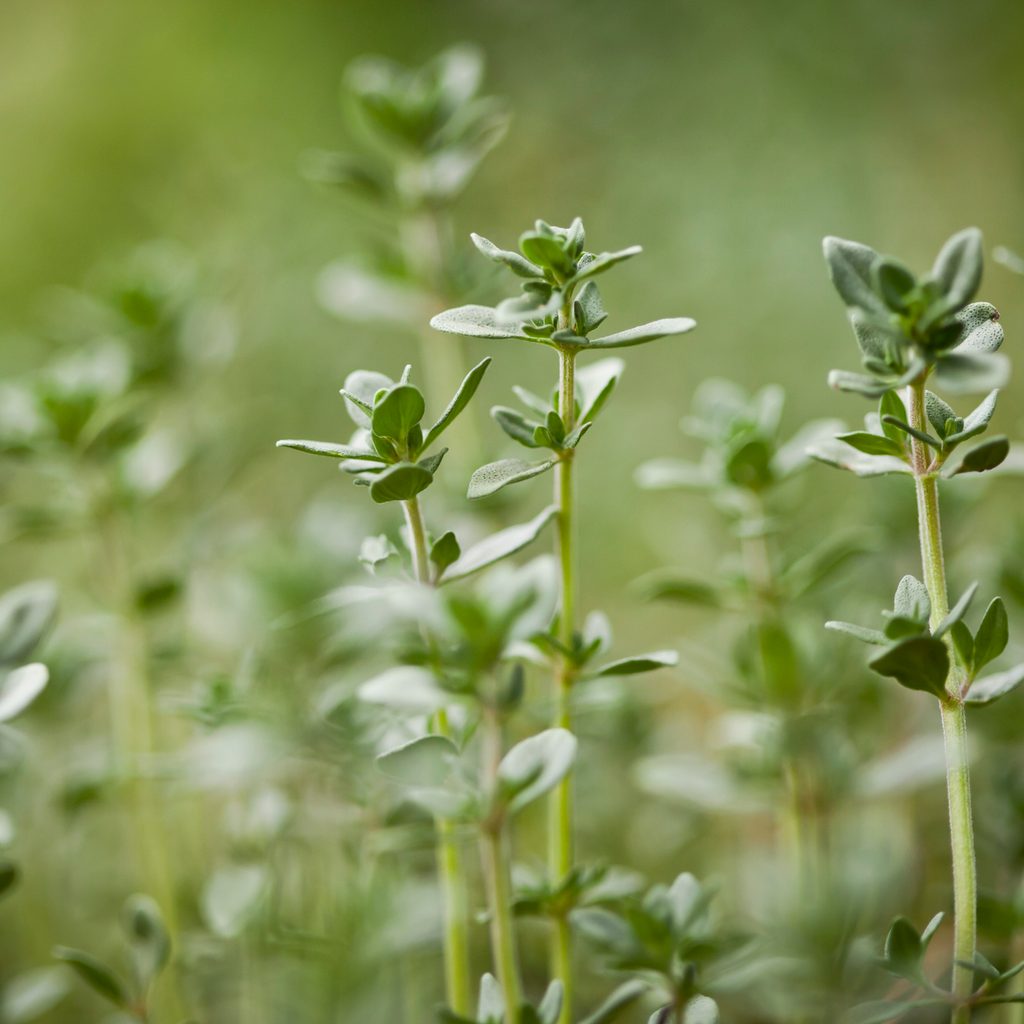
This modest plant doesn’t look out of the ordinary when compared to other herbs. It features small leaves on woody stems, sometimes pushing out small white, lavender, or pink flowers during the growing season. So what distinguishes it from other herbs? It features a warm, savory-sweet flavor that’s slightly earthy and minty. Its mild yet distinct flavor allows it to pair well with virtually any savory dish, whether you’re tossing it in with your meats, veggies, or mushrooms. (It’s occasionally found in artisanal desserts as well.) All you have to do is pluck off the leaves and use them fresh or dry them.
On that second note, thyme is easy to dry because it’s a woodier herb. Many varieties are actually ornamental, so make sure that you’re picking up culinary thyme. The most common types for cooking include the lemon, French, and Caraway thyme plants, so keep an eye out for these if you’re planning to use them in your recipes. Additionally, thyme, or rather its compound, thymol, is often found in personal care products due to its potential antimicrobial properties.
How to grow thyme
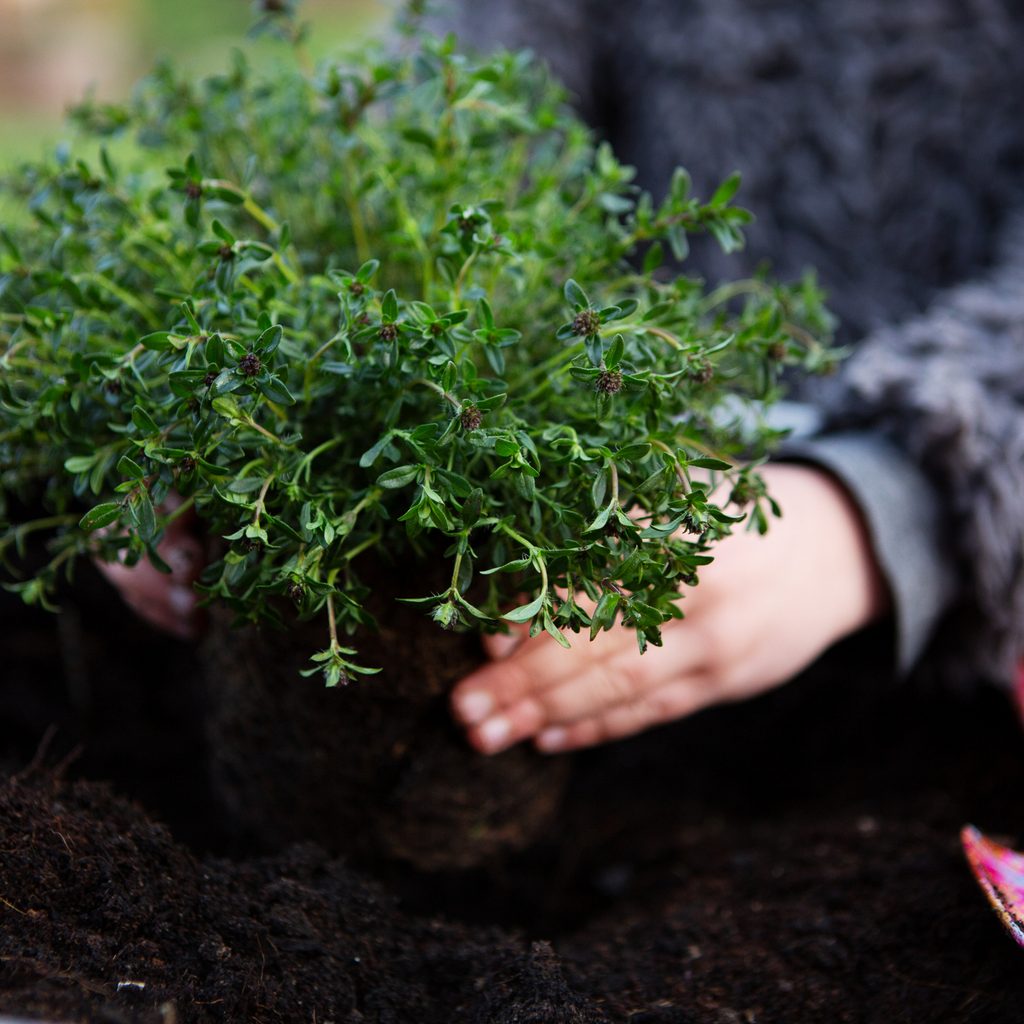
Thyme is easier to grow from young plants than seeds, so start with a seedling from your local garden center or a cutting from a friend. As thyme is a perennial, it grows back year after year during the spring for plenty of harvests to come. You can grow it in your garden with about a foot or two of space around each plant. Alternatively, you can also keep it indoors in a large pot with ample room for the roots to establish. If you’re going down this route, a clay pot is best for wicking away excess moisture. In either case, your thyme will benefit from sandy soil that’s well draining. You can add compost to your potting mix at the beginning of spring, but it’s not strictly necessary to feed your thyme throughout the growing season.
Thyme prefers full sun, which helps promote growth and bring out its flavor. Keep indoor plants as close to a window (preferably a bright southeast one) as possible. Don’t overwater your thyme — it does best in dry, warm conditions, so let the soil dry out before you give it a good drink. Once your plant reaches eight to ten inches tall, it should be ready for harvest. While it’s a rule of thumb to harvest herbs before they flower, you don’t have to be too cautious with thyme since the flowers won’t impact the flavor much. The flowers, in fact, can actually help draw in beneficial pollinators such as bees. For the best flavor, consider picking your thyme in the warmer summer months.
Rosemary is an excellent herb to grow alongside thyme as a companion plant due to its similar needs. Plants such as strawberries, cabbages, and tomatoes can also benefit from the pollinators that thyme attracts.
How to propagate thyme
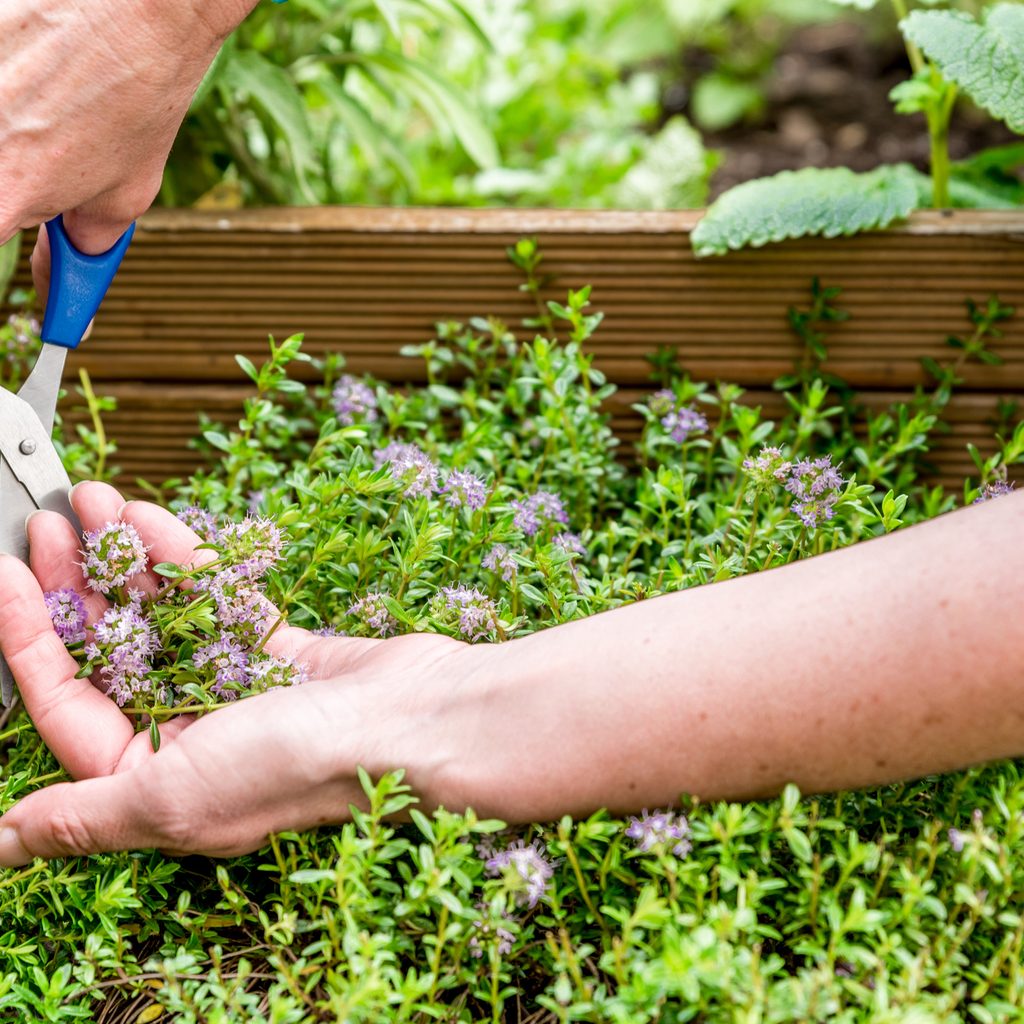
Propagating thyme is easy. The simplest way to go about it is by cutting sprigs with new leaves. (You may have more difficulty growing plants when using woodier, older cuttings.) After snipping off a four- to six-inch cutting, remove the lower two- to three-inch set of leaves. Stick the exposed nodes into your soil and spritz it with water. Rooting powder may encourage growth, but it’s not strictly necessary for successful propagation. Another way you can propagate thyme, of course, is by way of root division. Propagated plants do best when the temperatures are above 70 degrees Fahrenheit, so start the process around spring or summer. As you harvest or propagate thyme, you’re also pruning it back, which will lead to a fuller plant. Just remember that you’re cutting thyme, you want to leave five to six inches of growth so that your plant can continue thriving.
One of the easiest herbs to grow, thyme deserves a spot in your garden, whether it’s in your kitchen or in your yard. Its earthy, savory flavor makes it versatile in a wide range of recipes, so it’s convenient to have on hand as a fresh or dried herb. Give it plenty of bright light and warm temperatures — it should be ready for snipping before you know it.