With lush, arching fronds and a curiously shaped trunk, the spindle palm tree makes the perfect addition to your home if you love that tropical houseplant vibe. Caring for it isn’t too hard, but you want to be prepared with a few tricks up your sleeve when you bring it to your yard or inside your house. If you’ve always wanted to nurture the spindle palm plant, but weren’t sure about its care requirements, here’s the lowdown on helping it flourish!
What to know about the spindle palm
The spindle palm is endemic to the Mascarene Islands in the Indian Ocean. Though this hardy palm is critically endangered in its original home, it grows well from seed and has been cultivated and sold to houseplant enthusiasts worldwide.
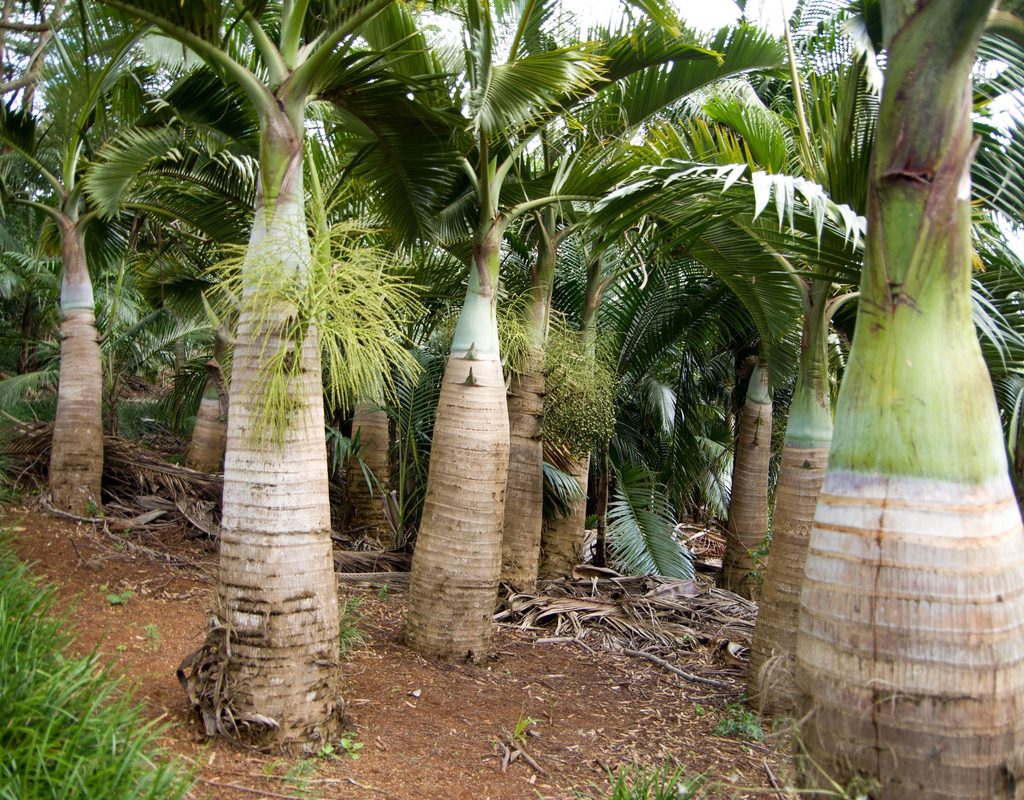
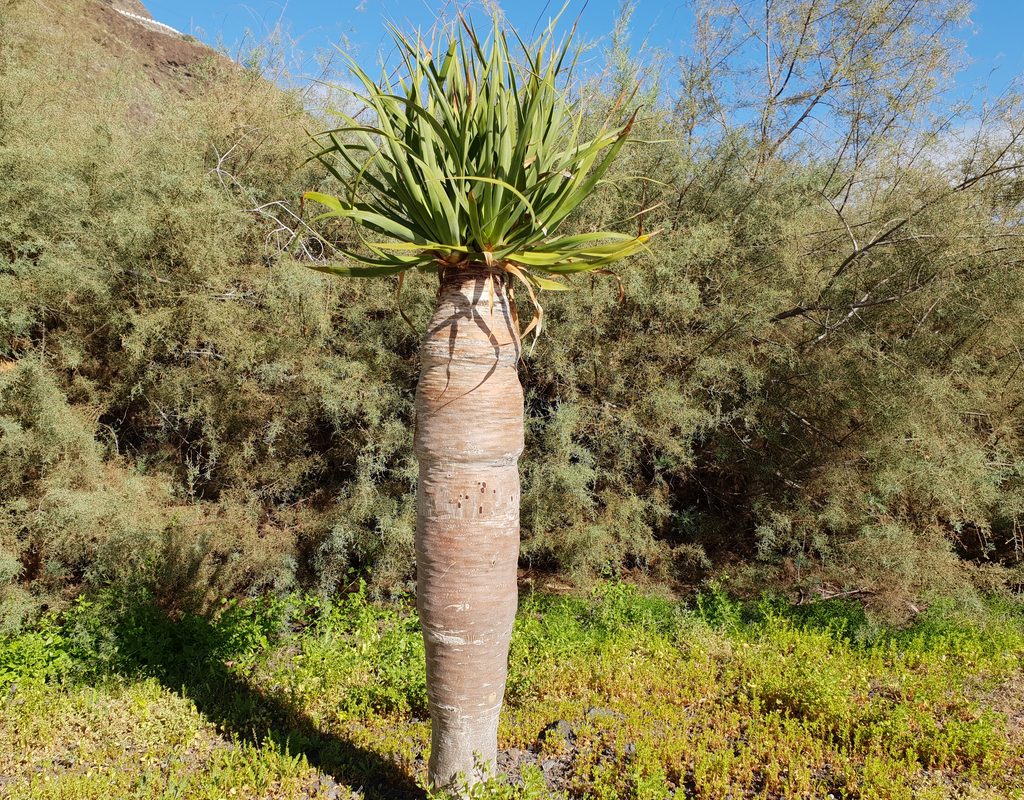
Scientifically known as hyophorbe verschaffelti, this plant’s common name, spindle palm, comes from the fact that its main trunk tapers like a spindle of thread. At the top of the plant are arching fronds with pinnate leaves that can grow up to 10 feet tall on larger varieties. The trunk can grow up to 25 feet tall outside, but it’s usually a quarter of that size as an indoor or container plant. Occasionally, an outdoor spindle palm will produce creamy white flowers, also called inflorescences, that can grow up to 2.5 feet long and bear small red fruits.
How to maintain the spindle palm
The spindle palm thrives in sandy soil and full sun in tropical environments. As it’s a hardy plant in Zone 10 and down to 9b, most places don’t necessarily have the conditions for this plant come winter, but you can keep it inside your home in a potted container or greenhouse if you don’t live in these regions.
As a houseplant, it needs well-draining soil, bright light, and annual feedings. Here are a few special notes to keep in mind:
- Watering your spindle palm: The spindle palm is drought tolerant, so you don’t need to water it very often if you keep it inside your home—stick to a bi-monthly to monthly watering schedule when the soil is about half dried out. Make sure that you thoroughly water it whenever you do water it.
- Keeping your spindle palm warm: The spindle palm is relatively cold hardy, but you don’t want to keep it in temperatures below 32 degrees Fahrenheit. You may want to consider bringing your spindle palm inside if you live in an area where temperatures go below freezing in the winter.
How to troubleshoot spindle palm issues
- Orange flecks on the leaflets: Although you only need to fertilize these palms two to three times a year during the growing season, you’ll want to make sure that you’re fertilizing them properly with a feed high in potassium. With a potassium deficiency, the leaves can start to turn orange. You should seek out a fertilizer specifically for palm trees, if possible.
- Stretching trunk: If the trunk starts to look a little thin, it may be stretching for more light. If you’re keeping the spindle palm as a houseplant, you want to, at the very least, give it plenty of bright indirect light.
- Pests on the foliage: The spindle palm may be vulnerable to mealybugs and scale. If you notice these pests on your palm, spray them with water and apply alcohol or neem oil to the impacted leaves.
- Leaf burn: While the leaves will grow faster with bright light, you can have too much of a good thing. Move your plant to a shadier area or give it extra protection from the sun to manage leaf burn.
How to prune a spindle palm
There’s no mystery to properly pruning a spindle palm! It’s rather straightforward, and you won’t even have to do this very often since this plant grows slowly. Trim old fronds that have turned brown—you can leave the leaf base on the crown.
How to propagate a spindle palm
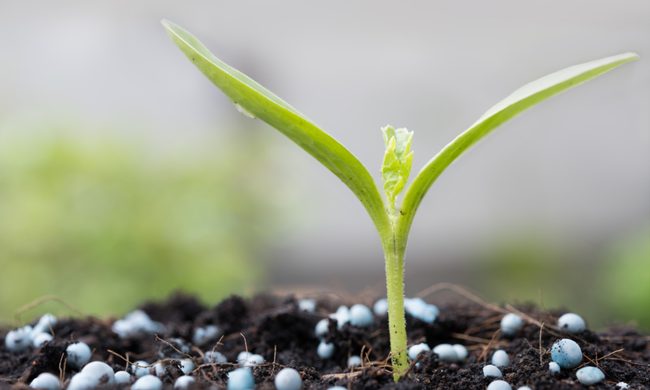
You can usually propagate spindle palms by growing them from seed. While germinating a spindle palm is easy, it’s by no means fast and can take up to four to six months. Before you sow the seeds in soil, consider a 48-hour soak in warm water to scarify them (that is, to weaken the seed coating to encourage germination).
For effortless beach vibes that don’t require extraordinary effort, the spindle palm tree makes for an easygoing addition inside the home. Other than the occasional pruning, you won’t have too much trouble with this plant. With a good helping of bright light, sandy soil, deep watering, and potassium fertilizer in the spring, you’ll have a happy palm to flaunt in your own small slice of paradise.