With their fuzzy blooms and tall stems, kangaroo paw plants can make for lovely bouquets with their stunning flowers. Despite their stunning and unique appearance, these flowers are remarkably easy to care for! A little care will go a long way with this beautiful plant, so try growing it yourself.
Whether you want to grow them as an office plant or plan on adding them to your outdoor pollinator garden, kangaroo paw plants are a delight to grow. Ahead, we’ve rounded up everything you need to know about the kangaroo paw plant, from identifying it to giving it the best quality of care!
How to identify the kangaroo paw plant
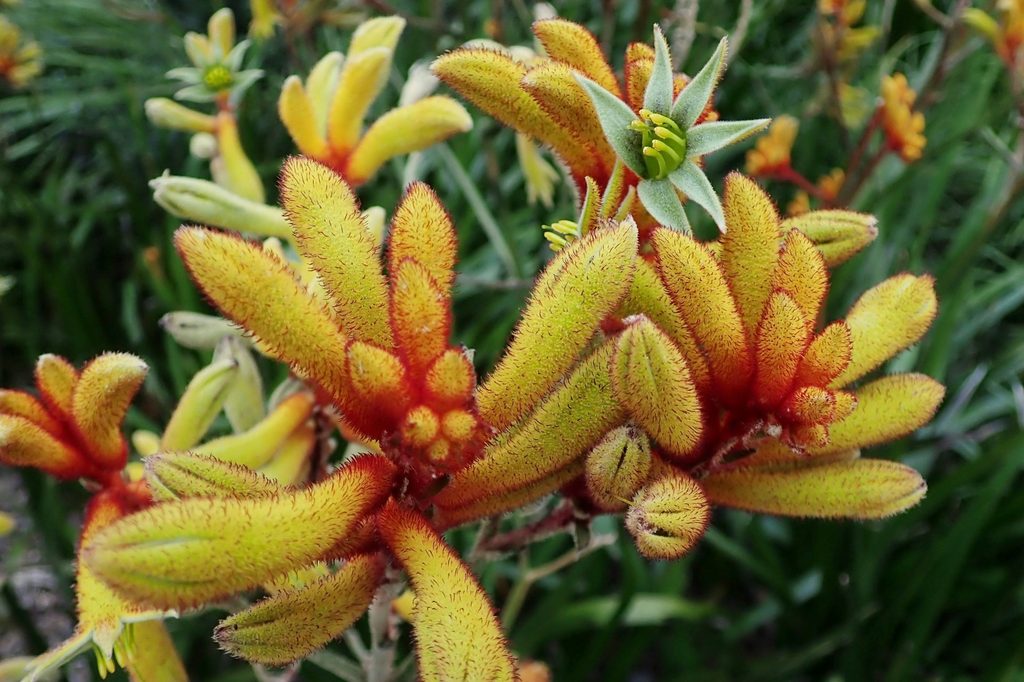
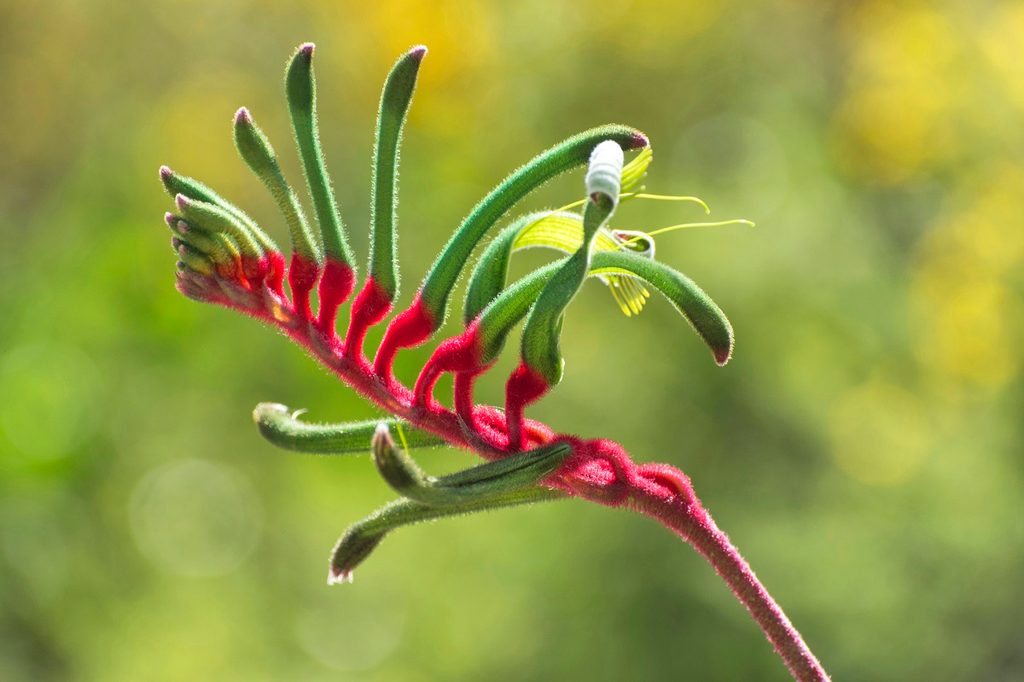
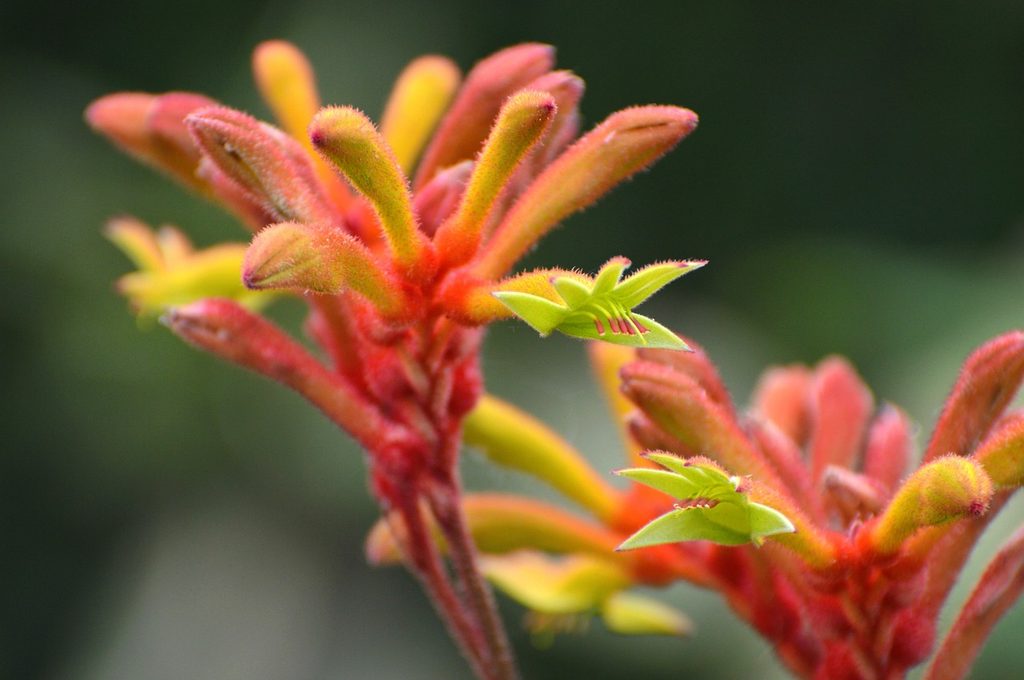
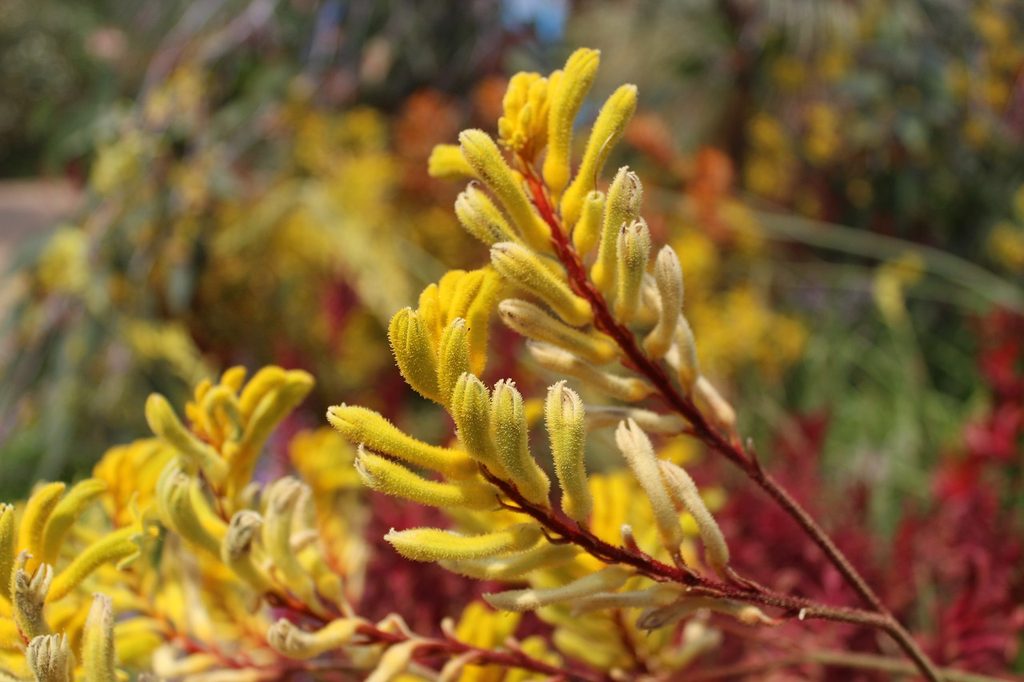
Native to southwest Australia, kangaroo paw plants are named for their fuzzy flowers shaped like, well, kangaroo paws! They belong to the Anigozanthos genus, which consists of 12 species. The unique blooms typically come in bright colors such as red, orange, yellow, and pink. Their color and tubular shape attract bees, birds, and other pollinators. These plants can be relatively compact or rather tall — kangaroo paw plant size ranges from under 2 feet to over 10.
What to know about care
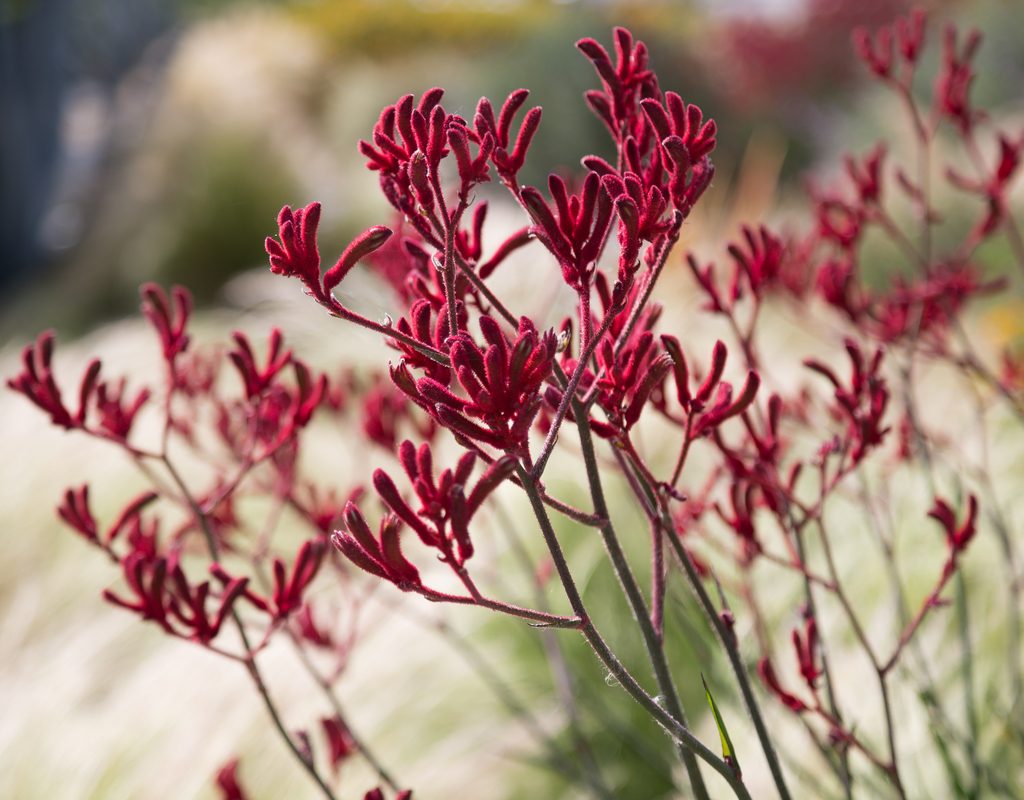
Light and warmth are critical for a kangaroo paw plant’s growth. Kangaroo paw plants love direct sunlight, preferring full sun six hours a day to stand tall and maintain bloom production. These flowers are perennial in USDA Hardiness Zones 10 and 11. You can keep them outside all year long if it never dips below freezing in your area. However, you can bring them inside your home to keep as houseplants during the fall and winter if your region reaches freezing temperatures — then take them outside again when it warms up!
As long as you keep them warm (at the very least about 50 degrees Fahrenheit.), you don’t need to worry too much about humidity or frequent watering, as they’re relatively drought tolerant. In fact, you can even place them next to your succulent plants when you plan out your garden space. Too much water can actually make these plants much more vulnerable to root rot because of their rhizomatic roots, which are underground stems that spread horizontally. Allow the top few inches of the soil to dry out before you fetch your watering can, only watering enough to keep the buds happy.
You won’t need to worry much about the soil for your plant. In its natural habitat in Australia, the kangaroo paw plant grows in sandy soil without many nutrients. All you need is a well-draining medium to keep it happy. Even an organic potting mix with some sand will be sufficient. As we’ve mentioned, the kangaroo paw plant isn’t a heavy feeder, so no worries about fertilizing — you can amend the soil with a few scoops of compost or add slow-release fertilizer during the growing season if you so desire.
How to propagate
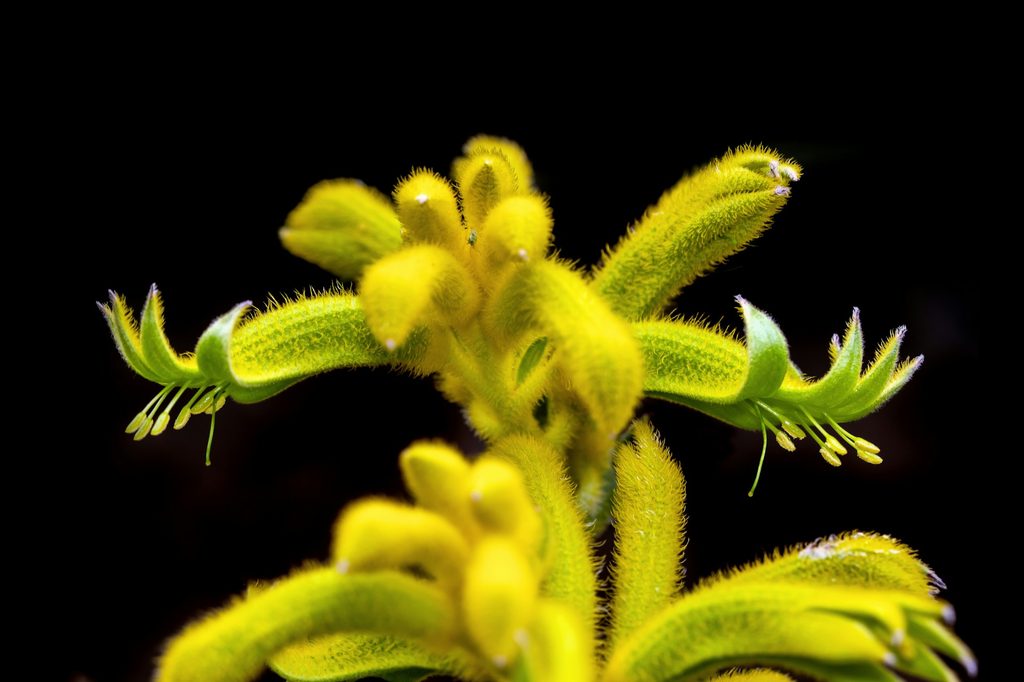
If you don’t mind the wait, you can start the kangaroo paw plant from seed during the spring. However, the easiest and quickest way to propagate is by dividing the roots during the spring with a sharp, clean knife. Every three to five years, check the roots to see if the plant has become too rootbound. Giving the roots plenty of space will encourage significant growth. Dividing your kangaroo paw plant every few years will help prevent it from becoming root bound, as well as give you another plant to grow or give away.
How to encourage blooms
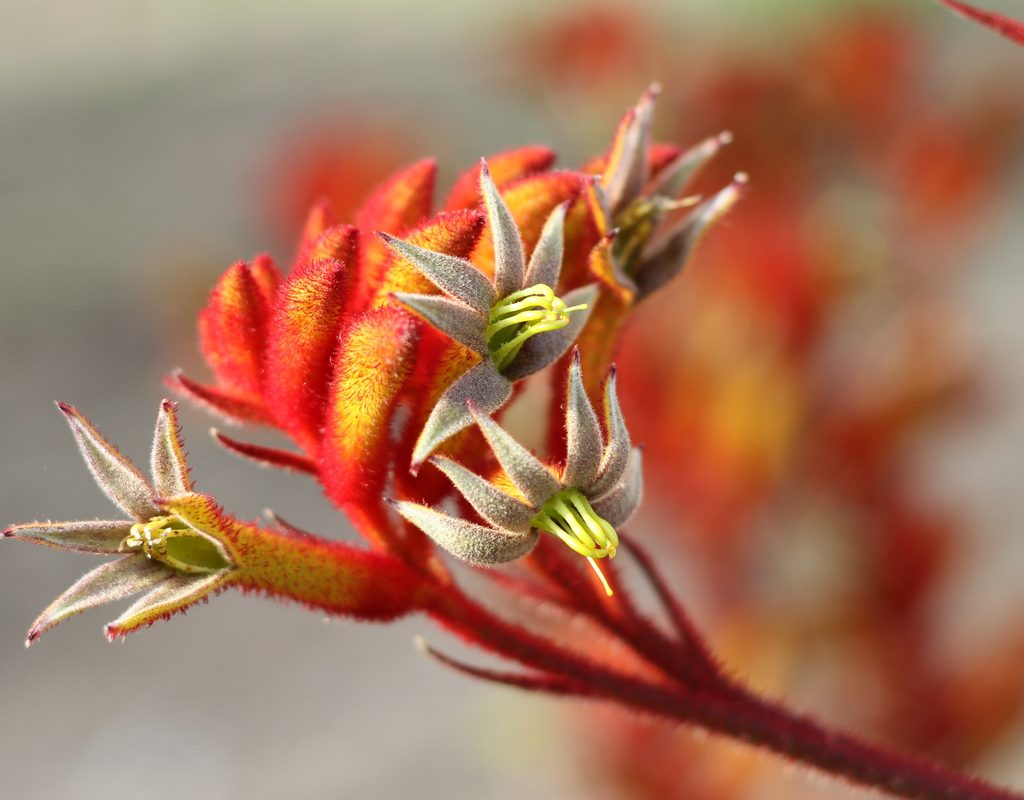
After the blooms have faded in your kangaroo paw plant, don’t be afraid to cut back on the foliage and flowers. Pruning encourages denser growth, and you might even get another cycle of flowers. As a bonus, cutting back your plant can also help control diseases. If your kangaroo paw plant isn’t blooming as much as you would like, make sure it’s getting plenty of sun. You can also add a slow-release fertilizer to the soil to give your plant an extra boost of nutrients.
What to do about diseases and pests
The good news is kangaroo paw plants don’t attract a lot of pests or diseases. However, they can be vulnerable to ink spot disease, a fungal issue where the leaves and stem start to turn black. If this happens, prune the diseased parts and give your foliage plenty of sunlight and air circulation. You can also change the soil to make sure that it’s fresh and well draining.
If you grow the kangaroo paw indoors, it may be vulnerable to spider mites. The easiest way to take care of this problem is by hosing it down with water and then applying neem oil to the affected areas. Give your plant humidity if you can, as mites thrive in hot, dry conditions.
Are kangaroo paws safe for pets?
Looking for information on kangaroo paw plant toxicity can be confusing, but this is because there are two plants commonly called kangaroo paws. The kangaroo fern, a lovely but unrelated houseplant, is non-toxic to people and pets. However, kangaroo paw flowers are toxic to pets. They contain saponins, a soap-like compound found in many plants, including soapwort, soybeans, and cilantro. Ingesting too many saponins can cause stomach problems such as vomiting and diarrhea, so it’s important to keep your kangaroo paws away from any curious critters or kids.
However, not all animals dislike kangaroo paw plants! In particular, pollinators love the nectar from these flowers. Adding them to your pollinator garden can attract hummingbirds, whose long beaks and tongues are well-suited for the kangaroo paw plant’s tube-shaped flowers. Just remember to keep your dog or cat out of your garden and away from these plants.
While its dazzling foliage and flowers may seem intimidating, the kangaroo paw is a relatively easy plant to maintain. It appreciates occasional pruning and fertilizing but doesn’t have special requirements for soil and watering. Propagating and encouraging blooms is straightforward as well, so there’s no need to go out of your way to buy special tools and supplements. All you need to do is ensure it receives enough warmth and sunlight to continue enjoying its beauty!