It can be exciting to grow your own herbs and vegetables, especially for the first time! Oftentimes when growing something new, it’s easy to overestimate how much you’ll really need compared to how fast you can use it—and this goes for new and experienced gardeners alike. Sometimes, crops just grow out of control and before you know it, you have more basil than you know what to do with. But before you go throwing your hands up in the air and tossing out those extra fresh ingredients, try one of these solutions.

Bundle and dry them out
One of the most common go-to solutions for too many fresh herbs is to bundle them up and dry them out—and it’s really quite easy! Get some twine or other string (you can use a rubber band, but be wary of it being too tight), create bunches of the herbs you want to dry, and tie them together. The bundles should be hung upside down in a cool, well-circulated space. Kitchens are often too warm to dry herbs properly, so look for other areas in your home that will do the job. As the bundles dry, it’s likely that you’ll need to tighten the twine to make sure they stay together as they shrink.
Some people choose to loosely wrap a plastic bag around the herbs to catch them if they fall out of the string; however, if you try this, keep in mind that the bags could trap moisture and inhibit the air circulation herbs need to properly dry. Once successfully dried, though, you can either store them whole in air-tight containers or crumble and store them in jars.
Cook a simple syrup
If you aren’t interested in drying your herbs, you can always cook them into a simple syrup to add some flavor! This is often done best with mint or rosemary, since you’ll use the simple syrup in things like iced tea, cocktails, and anything else you want to add some sweetness to. That said, you can do this with any herb and see which flavors you like!
All you have to do is add your desired herbs to a standard simple syrup recipe (which is often equal parts sugar and water), bring the mixture to a boil, then remove from heat and cool. The herbs should be strained out once the syrup is cooled, but the flavor will remain.
Chop and freeze them
Freezing herbs is another popular way to store excess from the garden if you aren’t interested in having a bunch of dried herbs taking up your pantry space. Simply chop them up so that they’re small enough to fit in the spaces of an ice cube tray, fill the tray, and cover with either water or oil. You’ll see the more common method is to store with water, which works well but risks causing freezer burn to your fresh herbs. By using oil instead, you’ll skip the burn and get a little bit of extra flavor when it’s time to use the herbs for a dish.
Ultimately, it’s up to you! If you don’t have an ice cube tray readily available, you can also attempt to freeze them in freezer-safe bags.
Make your own oils and butters
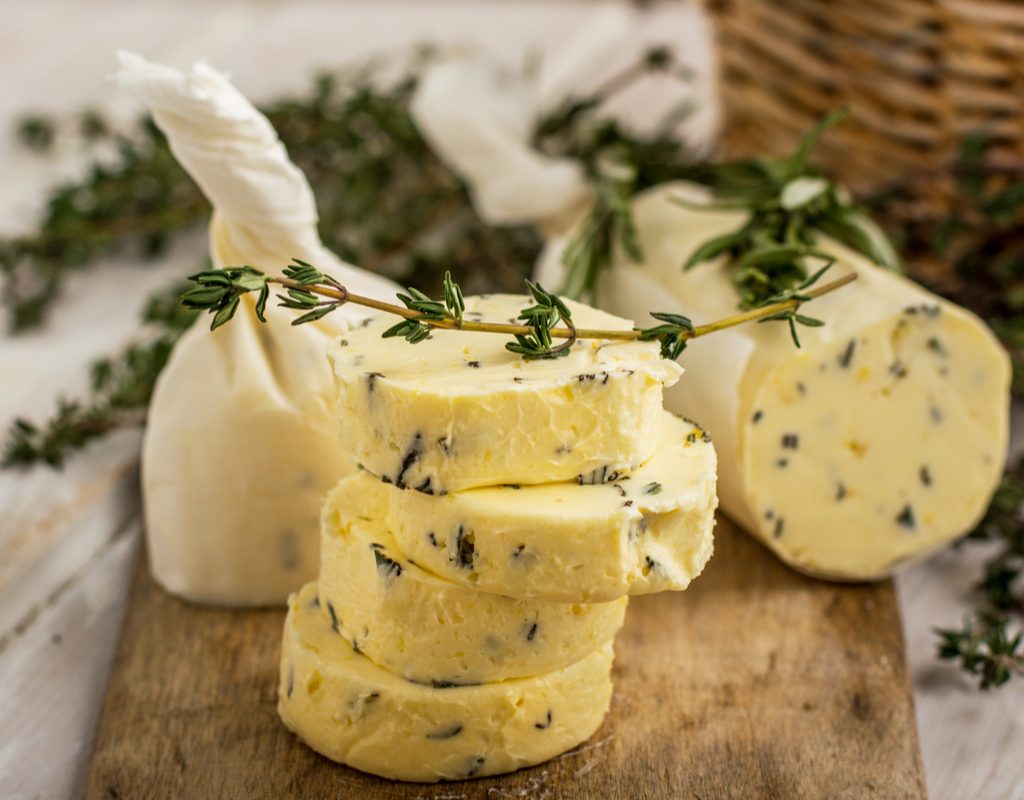
Fresh herbs are great for making homemade oils and butters, too–and it’s certainly a much cheaper method than buying a fancy basil-infused oil from the specialty cooking store downtown.
For making your own herb-infused oil, you’ll have to first go through the process of washing and drying out the herbs you want to use. Follow the method mentioned earlier on. Once the herbs are ready for infusion, put them in a mason jar. Heat two cups of standard olive oil to 200 degrees Fahrenheit, then pour it into the jar with herbs and cover it with a towel overnight. The next day, strain the herbs out of the oil, discard them, and put the oil into an air-tight jar or stoppered bottle for storage. Homemade herb-infused oil will last in the fridge for about a month.
The butters, on the other hand, can make use of the fresh washed herbs without the drying process. You’ll pick the herbs of your choice (basil and parsley are common selections) and mix them with one stick of unsalted butter. Add the amount of herbs you desire for flavor, along with salt and pepper to taste. Roll your new herb butter in saran wrap and store in the fridge or freezer.
Make your own salad dressing
Excess garden herbs are great choices for homemade salad dressings and vinaigrettes, too! If you choose this option, you should only make small batches of the dressings at a time because they’ll only last about a week in the fridge before the fresh herbs go bad. This option doesn’t preserve or create something long-lasting, so you can always use a bit of the herbs to make a dressing and dry the rest out for use later as seasonings in other dishes.
You can practically use any herb you want for your dressings, just make sure to finely chop them so that they mix in well. There are tons of recipes you can find online for making your own dressing, so look around before you toss things away!
These ideas can apply to store-bought herbs, too
If you aren’t growing fresh herbs but bought more from the store than you needed, any number of these options can put them to use! Just because they aren’t straight from the garden doesn’t mean they can’t be preserved. You can make a little bit of everything, or even give herbs away if family members need them. When in doubt, drying is the best way to ensure your hard work pays off.