Succulents are popular for their versatility and their low-maintenance reputation. They are often recommended to beginners, and experts delight in their fun shapes and colors. The major sticking point when it comes to succulents is how to water them. An extension of that is what kind of soil to grow them in. If it drains too quickly, you need to water them more often, but if it drains too slowly, the succulents could suffer even more.
In this guide, we’ll explain everything you need to know about choosing or making the perfect soil for succulents.
What kind of soil do succulents need?
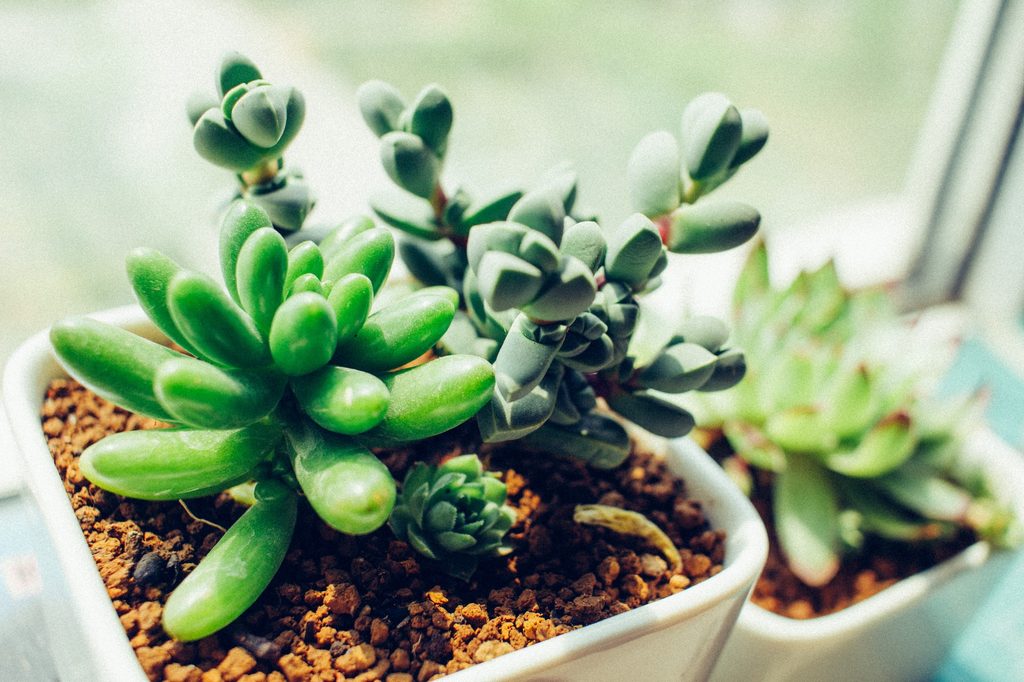
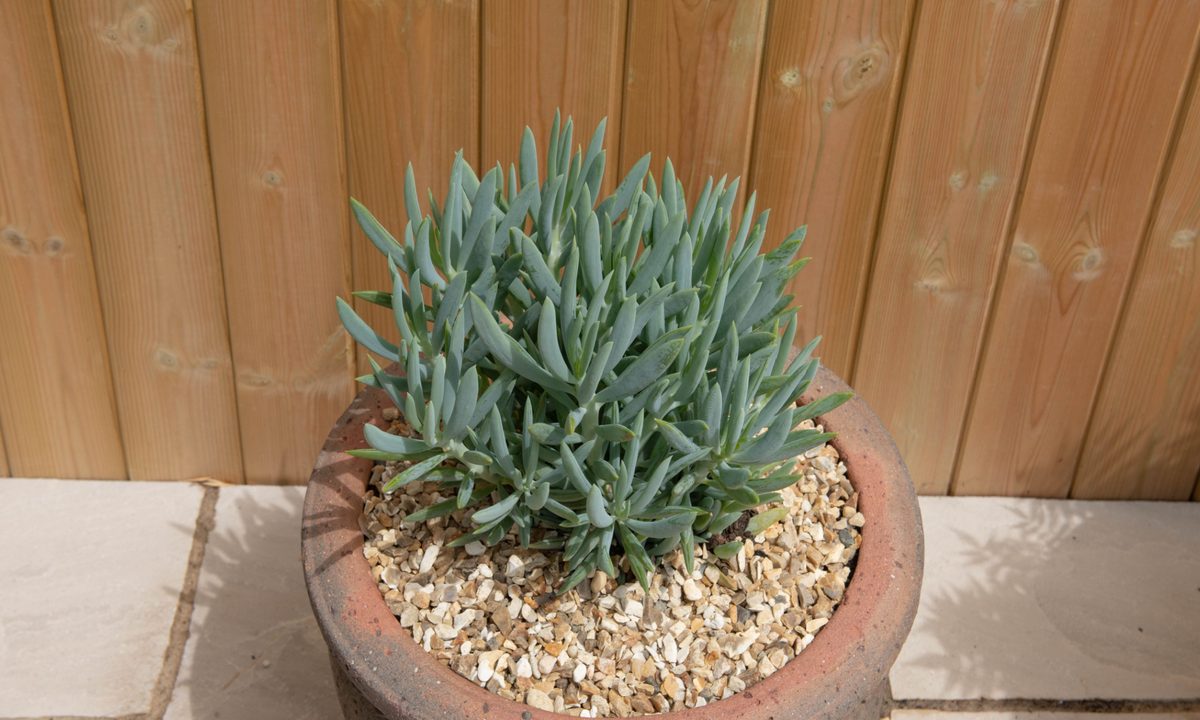
Succulents need well-draining soil, as it’s easy to overwater these drought-tolerant plants. The soil should also be loose and aerated, rather than dense. Loose soil allows air and water to pass through easily, which prevents the roots from being confined and suffocated. Rocky soil is great for this, as the rocks naturally create space and break up any dense clumps that begin to form.
Most succulents also prefer slightly acidic soil, although the exact pH range can vary from succulent to succulent. Succulents don’t tend to be heavy feeders, so while they do need some nutrients in the soil, you don’t need to worry about choosing rich soil.
What to look for in a pre-made soil mix
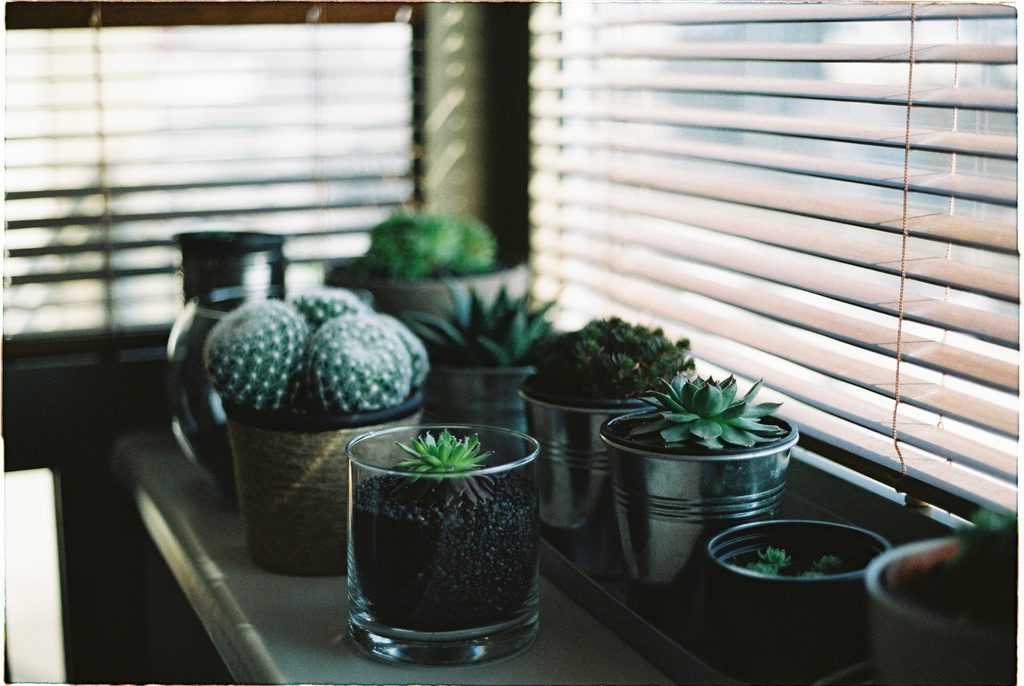
Pre-made soil mixes are handy, and luckily, it’s easy to tell if a potting mix will fit the needs of a succulent. Succulent mixes will typically be labeled as such, clearly marking which pre-made potting soil mixes are specifically formulated for succulents. You can also look for cactus mixes, as both succulents and cacti have similar needs. Many potting soils will be marked as both succulent and cactus soil mixes rather than just one or the other, and this is also fine.
If you don’t see any potting soils labeled specifically for succulent or cactus use, here are a few keywords to look for on the packaging. The soil should be labeled or described as well-draining or quick-draining, loose, rocky, and sandy. Avoid potting soil mixes that are labeled or described as loamy, clay-heavy, or slow-draining.
Making your own soil blend
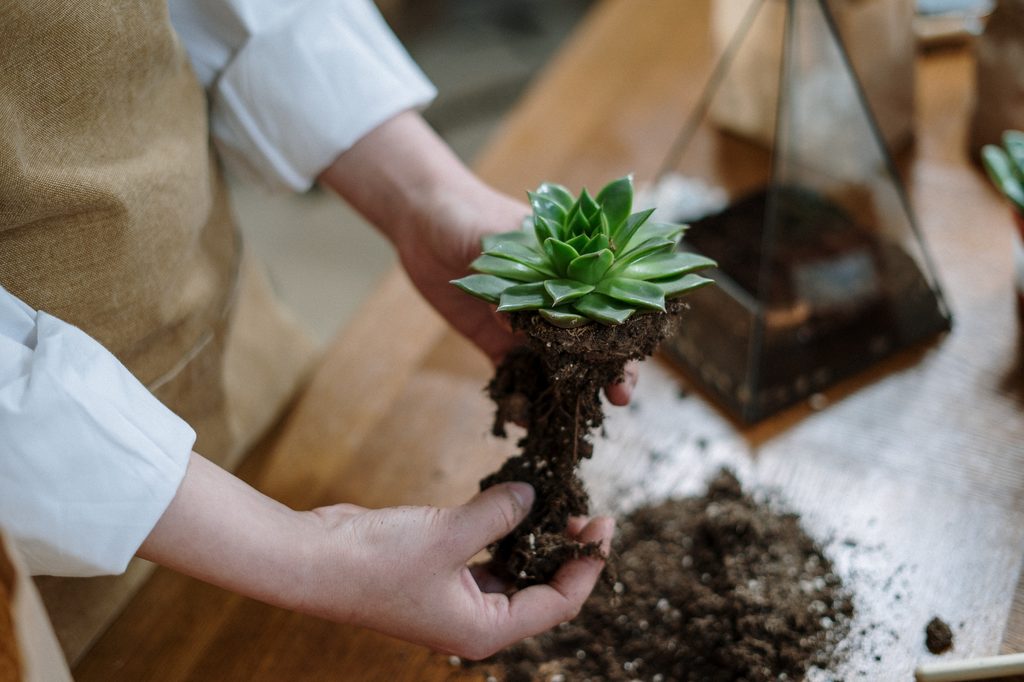
If you prefer mixing custom soil blends for your plants or are trying to grow succulents in your outdoor garden and want to modify your garden soil to fit, then you’ll be happy to know that succulent soil mixes are fairly simple. Start with a plain potting soil base (or your regular garden soil), and mix in perlite. You can also add vermiculite and/or pumice to the mix. All three additives will improve drainage and aeration, although perlite is the most commonly used and easiest to find.
While some gardeners find success with just this combination, you can also mix sand into your soil to improve things further. For potted succulents, adding a few small rocks to the bottom of the container adds space between the soil and the drainage holes, preventing them from becoming clogged.
Pairing your soil with the right container
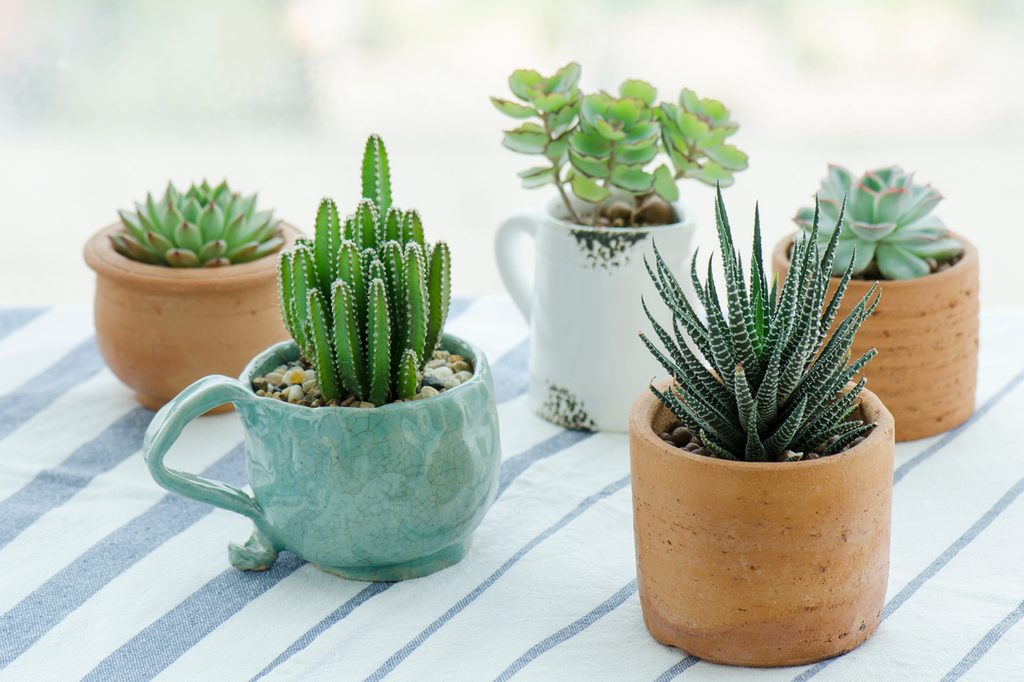
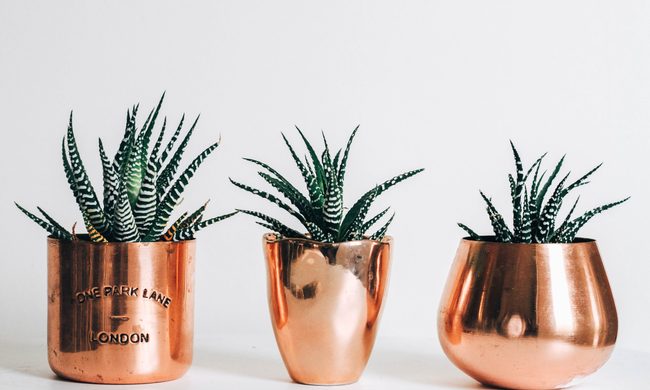
Well-draining soil, unfortunately, won’t do anything if it isn’t paired with a container that also allows the water to drain. Growing succulents in mugs, teacups, and other ceramic containers is cute and trendy, but if these containers aren’t modified to be planters, it can cause problems for your succulents. Planters need to have drainage holes, or else excess water can build up in the bottom. Over time, this consistently wet soil can cause root rot or other fungal infections.
However, you have a few options. You can find cute mug-shaped ceramic planters from many ceramic artists. These planters have built-in draining holes, making them a cute and effective replacement to real mugs. You can also modify a mug by drilling your own drainage holes. Just be sure to do that before planting your succulent in it. You can also use the mug as a pot cover by placing a pot with drainage holes inside of it.
Do all succulents need the same soil?
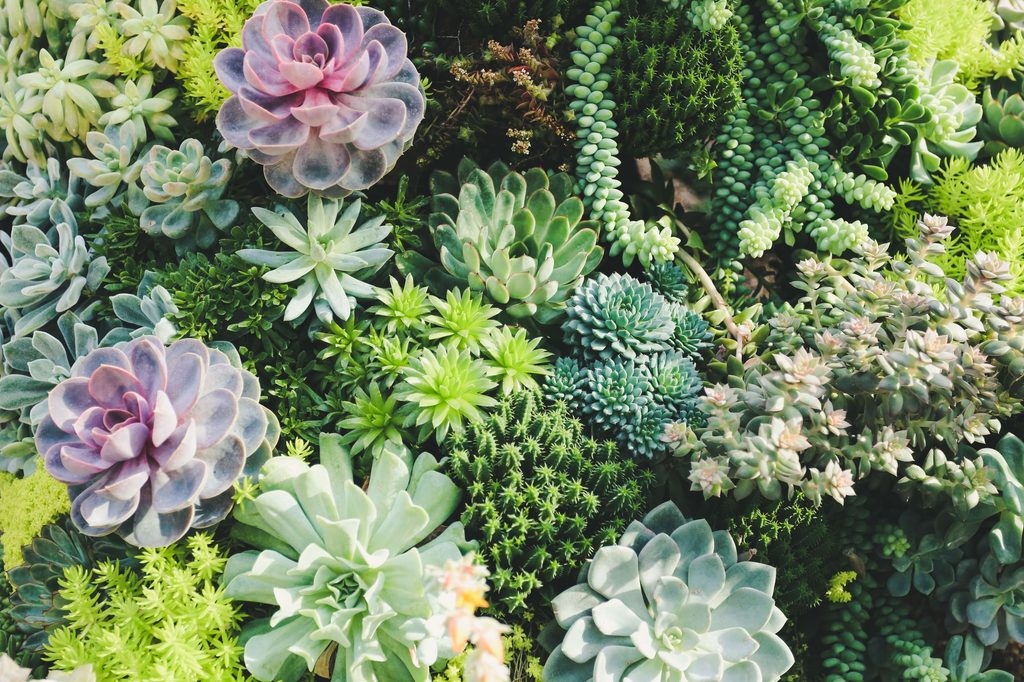
Yes, for the most part, all succulents need the same type of soil. Some succulents may have varied preferences for pH, preferring slightly higher levels of acidity than others. There are also succulents with a greater tolerance for wet soil. Although these succulents will still thrive in a succulent-specific soil mix, they can survive in regular potting soil. However, any succulent will do well in succulent soil mixes like the ones we described above. So there’s no need to worry about whether your succulents need different soil or not.
Now that you know the best soil for succulents, you’re prepared to give your succulents the best foundation possible. What succulents need from soil is fairly simple and straightforward, so even beginners can craft the perfect succulent soil. Of course, you can also go with a pre-made soil mix if you don’t want to make your own.