
Navigating different hydroponic systems as a beginner can be quite intimidating. The method is simple – plants receive what they need to survive through a nutrient solution – but how plants obtain their water and food can look different depending on the hydroponic method you use. From the accessible wick method to the more technical aeroponic method, we’re going to break down the six types of hydroponic systems out there so you’ll know which one will work best for you.
Wick system
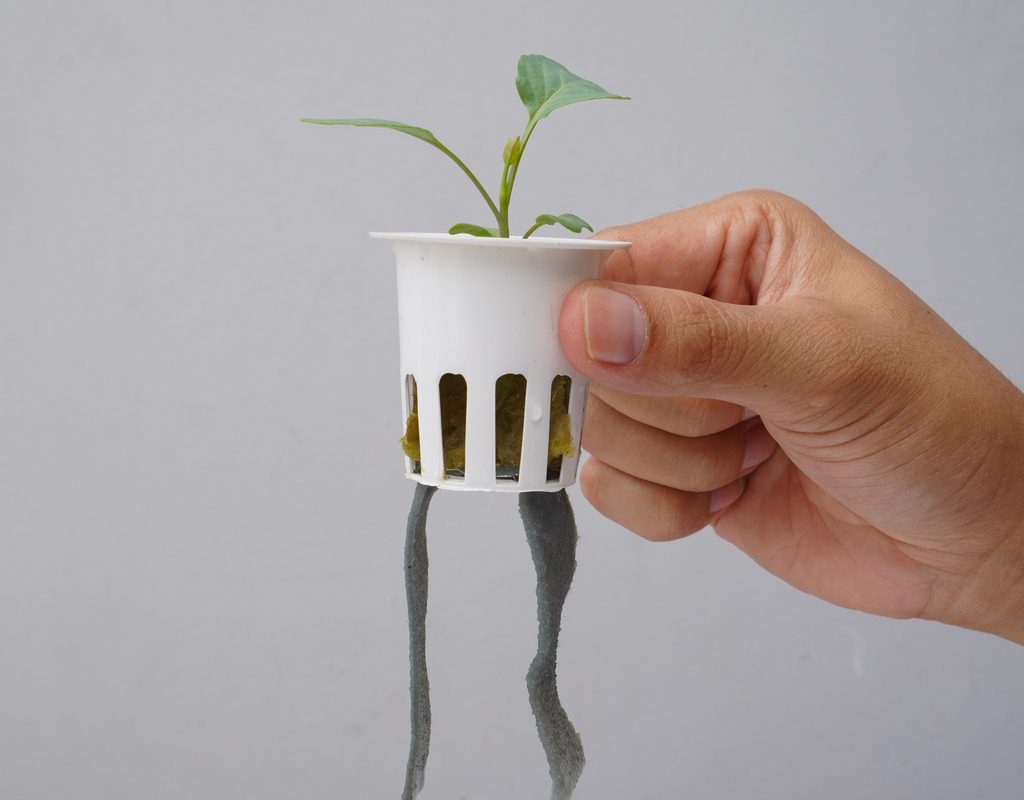
The wick system is the simplest of the bunch, as it doesn’t require any electricity or gadgets. In this method, plants are kept in a soil-free medium (such as vermiculite or coco coir) and fed via a felt or nylon rope by the roots. The rope uses capillary action to draw water from a nutrient solution situated beneath the medium tray. This affordable and easy method works best with small herbs that don’t need as much water or food.
Deep water culture system
The deep water culture method is a timeless hydroponic system, and it’s relatively easy to build. Secure plants with net pots attached to a lid and submerge their roots directly into a reservoir with a nutrient solution. Provide air to the plant roots by installing an air stone or diffuser in the tank attached to an air pump. This method works for many different plants, but you need to change the water to prevent algae and bacteria from festering; aeration, while it exists in this system, isn’t necessarily even.
Nutrient film technique
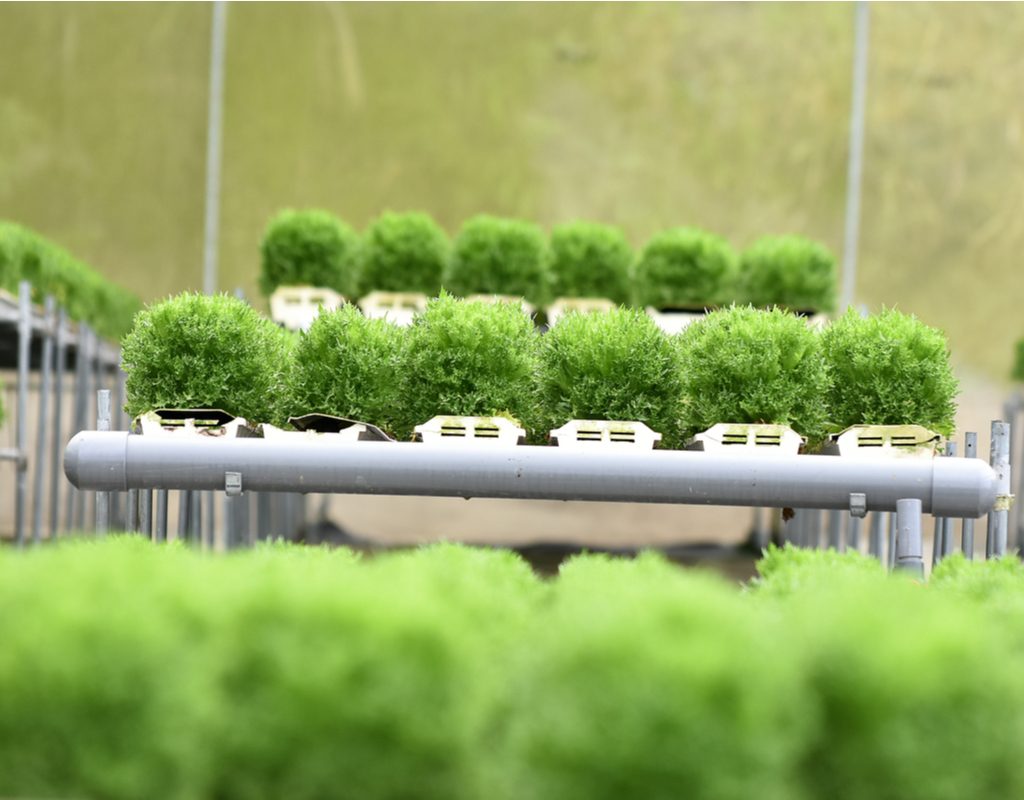
The nutrient film technique is one of the most common hydroponic systems out there. Plants are supported in net pots and grown in a sloped channel where their roots aren’t entirely submerged in water. (Essentially, the water forms a “film” over the roots.) A water pump in the nutrient solution tank pumps into the sloping channel; the slope position allows the water to recirculate into the reservoir through a drain tube. There’s also often an air stone in the nutrient solution to keep the roots aerated.
The nutrient film technique requires little water and nutrients while allowing roots to breathe. However, it’s best for small herb plants because overgrown roots can block the nutrient solution’s flow.
Ebb and flow/flood and drain system
The ebb and flow (or flood and drain) system consists of a soil-free growing bed (packed with rock wool or perlite) that gets “flooded” with nutrient water for a set period a few times a day. The plant tray has a connection to a nutrient reservoir with a water pump and a timer. After a set amount of time, the solution drains back into the water tank. Depending on how big your growing tray is, you may even be able to grow large plants such as root vegetables with this method.
The ebb and flow system will sustain itself, but it does have downsides, such as salt buildup and unstable pH. You may also run into issues if your pumps and pipes break or get clogged.
Drip system
A drip system is less popular among casual gardeners, but commercial growers commonly use it. Pipes and hoses send the nutrient solution from a reservoir to each of your plants. At the end of each tube at the plant base are drip emitters that water the roots. You can have a circulating system or a non-circulating one. This method gives you a lot of control, but it can be overly convoluted for a small home or garden. When it runs smoothly, a drip system works for plants of all sizes, including lettuce, tomatoes, cucumbers, and more.
Aeroponics system
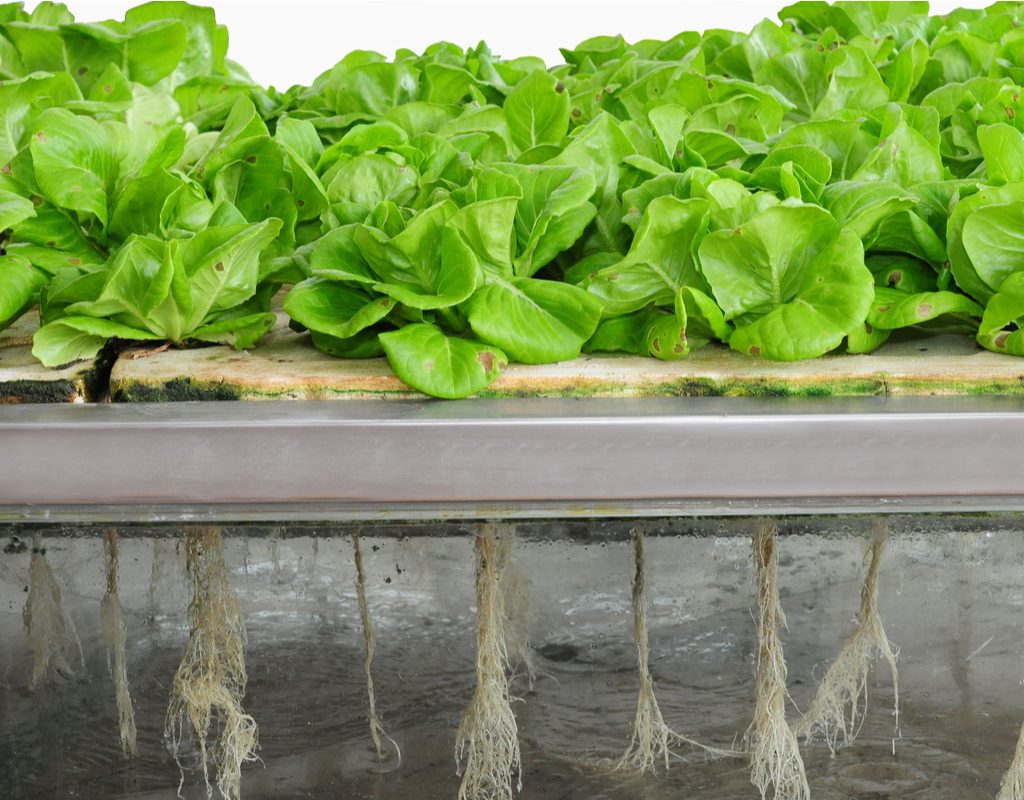
Like the drip method, aeroponics requires a lot of technical know-how and skill to install. Essentially, you suspend plants over a nutrient reservoir and situate them near mist nozzles connected to a water reservoir. Aeroponics will mist the roots consistently, giving them air circulation. However, roots may dry out if something in the aeroponic system malfunctions. This condition can be just as detrimental to a plant as root rot. Leafy greens, tomatoes, and herbs work well with aeroponics.
If you’ve been growing your plants in soil and want to try something different, give hydroponics a shot. Whether you’re drawn to the easy-to-assemble wick method or want to venture into something more technical like aeroponics, you’ll find many soil-free ways to experiment with growing plants.