Exploring the succulent section at your local garden center, you’ll likely encounter your fair share of aloe plants. While the aloe vera is perhaps the most reputable aloe of them all, this genus actually includes over 500 species that encompass all kinds of leaf shapes, textures, and colors. In general, aloes are low-maintenance plants that make beautiful additions to rock and water-smart gardens because of how drought-tolerant and hardy they are. Ahead, we’ve rounded up some of the most common and beautiful aloe plants out there, breaking down helpful tips on how to identify them and how to care for them.
Aloe broomii (snake aloe)
The snake aloe can reach up to five feet tall under the right conditions — that is, well-draining soil, full sun, and deep watering. It consists of single stems where thick leaves with reddish-brown teeth emerge from the center. The most notable feature about the snake aloe is its odd flowers, which are hidden by bracts that almost appear snake-like, hence the plant’s colloquial name.
Aloe brevifolia (short-leaf aloe)
Native to the Western Cape in South Africa, the aloe brevifolia, or the short-leaf aloe plant, features blue-green leaves with prickly teeth along its edges. True to its name, this plant typically remains compact at around one to two feet tall and wide. In the spring, it produces red flowers that emerge from a long stalk. If you’re planning to care for this plant, know that it needs anywhere from six to eight hours of direct light a day and that it’s not frost-hardy, so you’ll want to bring it indoors during the winter.
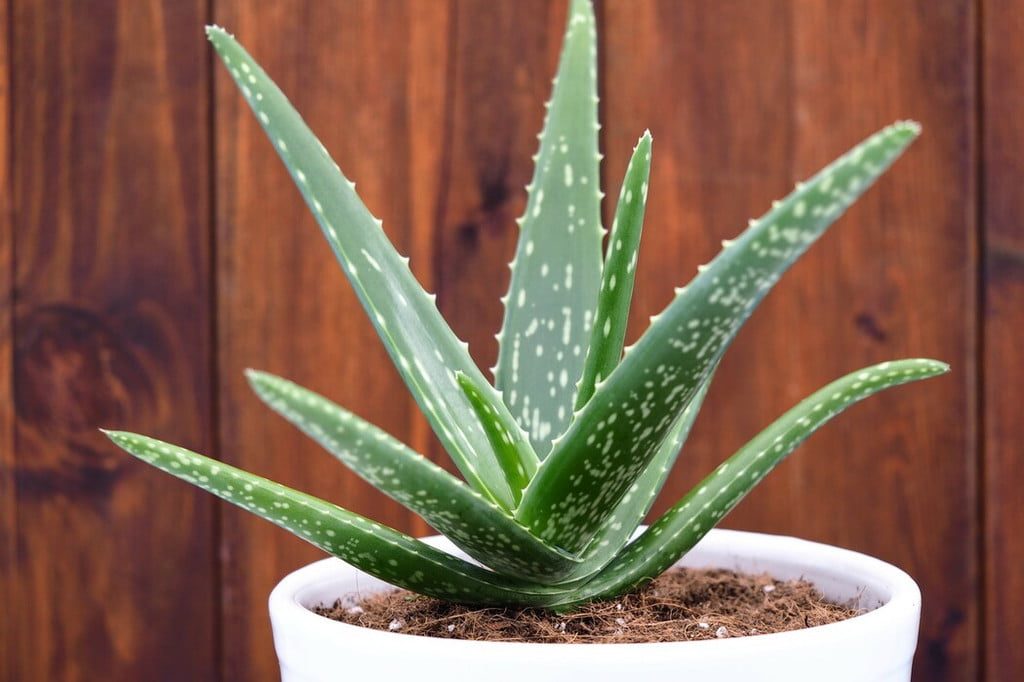
Aloe vera (true aloe)
If you’re imagining an aloe plant, the chances are you’re thinking of an aloe vera plant. This stemless aloe comes with fleshy, serrated leaves that store water. The gel inside aloe vera leaves is often used in personal care products due to its cooling and healing properties. Though the aloe vera is a succulent, it appreciates some relief from direct sunlight, which can cause its leaves to dry out. As it stores water inside its leaves, you only have to water it deeply whenever its soil dries out completely.
Aloe maculata (soap aloe)
The gorgeous soap aloe features spotted dark, triangular leaves. It grows relatively slowly, but it’s not a very high-maintenance plant as long as you give it bright sunlight and succulent fertilizer throughout the growing season. In the winter, it’s hardy down to 40 degrees Fahrenheit. Around the late winter and early spring, you may be lucky enough to experience beautiful clusters of coral flowers emerging from the center. These beautiful inflorescences will naturally attract pollinators such as hummingbirds and bees that benefit the rest of your garden.
Aloe dorotheae (sunset aloe)
This fleshy, serrated Tanzania native goes from yellow-green to reddish-orange in the sun, hence its colloquial name, the sunset aloe. It usually grows up to one foot tall in clusters of rosettes. While it appreciates bright light, it will do well with some shade during the hottest parts of summer. It doesn’t need frequent watering or fertilizing, but it’ll flourish even quicker with extra water and nutrients. (Although you never want to overdo either, given that this plant is a succulent.) During the winter, it can be hardy down to 25 degrees Fahrenheit.
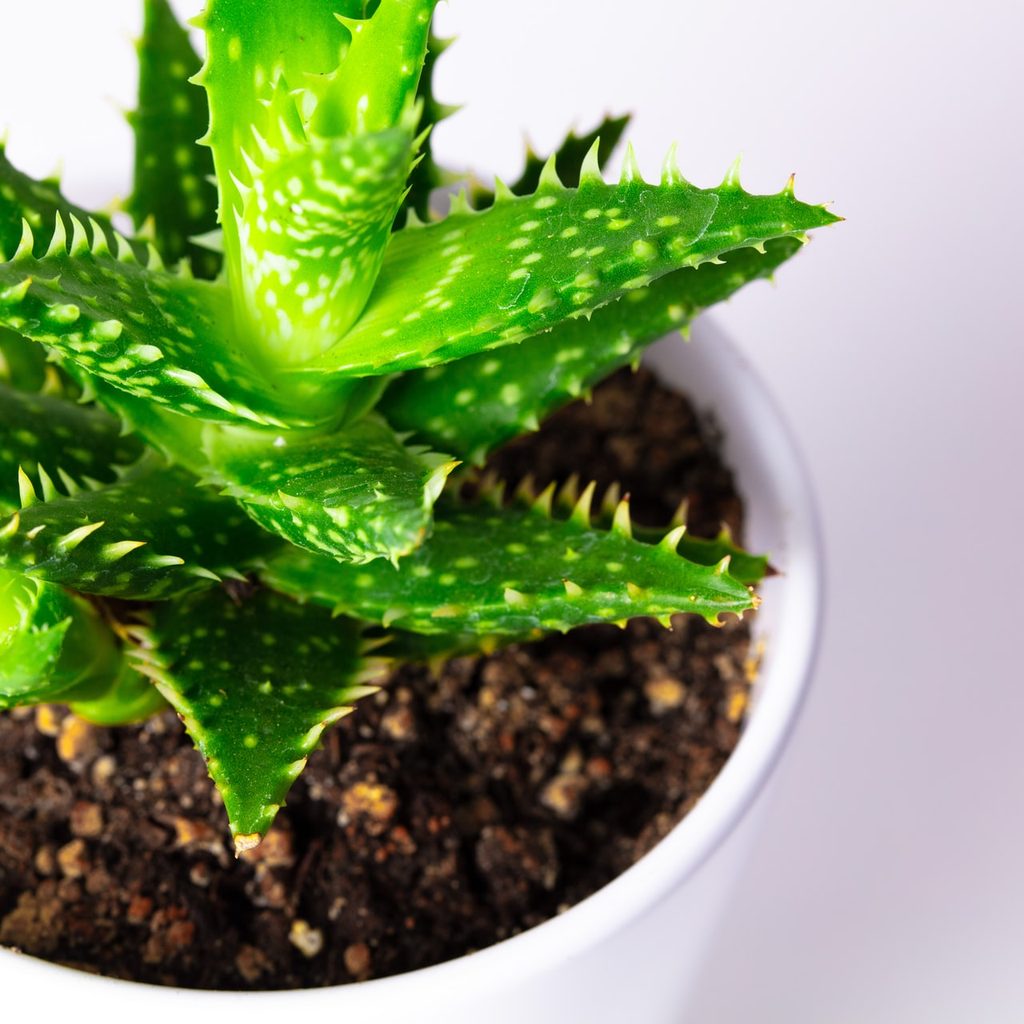
Aloe juvenna (tiger tooth aloe)
Don’t want only one aloe? How about a bunch of aloe plants? The juvenna variety features clusters of spiky, spotted triangular leaves that stack on top of each other. It’ll add visual interest to your collection, and it’s pretty compact as well, only growing up to one foot tall. Although the teeth appear sharp, they’re relatively harmless when you touch them. Because this plant grows in bunches, it’s quite easy to propagate and share with other plant enthusiasts. If you’d like some color, leave your plant out in the sun to stress it a little and give it a reddish appearance. During the spring or summer, you may get reddish bulb-like blooms emerging from the center of your plant.
Aloe vanbalenii (Van Balen’s aloe)
The stunning Van Balen’s aloe, also known as the crawling octopus, features long, curling leaves with serrated edges. During the winter, you might see your plant producing conical yellow flowers that attract birds and insects. This plant will be happy as long as you give it direct sunlight (with some shade during the hottest months) and well-draining soil. In the winter, this succulent can be hardy down to 25 degrees Fahrenheit. As this low-growing aloe grows in clusters, you’ll want to give it sufficient ground space to spread out.
If you’re a succulent enthusiast, these aloe plants definitely deserve spots on your plant wishlist. They’re beautiful and easy to care for and you can find them in many colors and textures. With ample growing space, plenty of sunlight, and well-draining soil, aloes will thrive — and if you’re lucky enough, you may even experience their beautiful flowers.