Did you know that basements can be used for something other than storage or an additional room in your house? If you don’t have much outdoor space or if you don’t want to shell out money for a greenhouse, your basement is actually a great place to grow plants! You can do it the standard way with soil, or you can create a basement hydroponic setup and try your hand at growing plants in water.
Establishing a sound growing environment
The first thing to do for a basement greenhouse setup is to make sure the space can accommodate plants. Although you’re growing in water instead of soil, there are still conditions that need to be met. Many plants require warmer temperatures, and because the basement is underground, it’s often a cooler space. This will mean investing in some space heaters to keep your basement at an even, stable temperature that will allow plants to thrive. A home unit or two will do just fine.
You’ll also need to purchase grow lights that can be used for your specific types of plants, since your basement likely doesn’t get a lot of natural light. The grow lights will help you recreate outdoor lighting to the best of your ability. Keep in mind that different plants have different lighting needs, so depending on what you’re growing, you may need to purchase a few different types of grow lights so that all your plants will be happy. Grow lights can get a bit complicated— different colors offer different benefits, and some plants will need different lights depending on their growth stage — so be sure to do your research before purchasing.
Be mindful of the air in your basement, as well. The heat you’re providing and the naturally damp environment can cause the air to stagnate. For healthy plants, it’s best to purchase a few fans to keep the air moving and help aid in the prevention of rot and mold.
Setting up your hydroponic system
Before you start your basement hydroponic setup, you’ll want to decide what growing method is best for you and your space. There are three main hydroponic systems for you to choose from, and you may find that one is easier to set up in your space than another.
Nutrient film technique
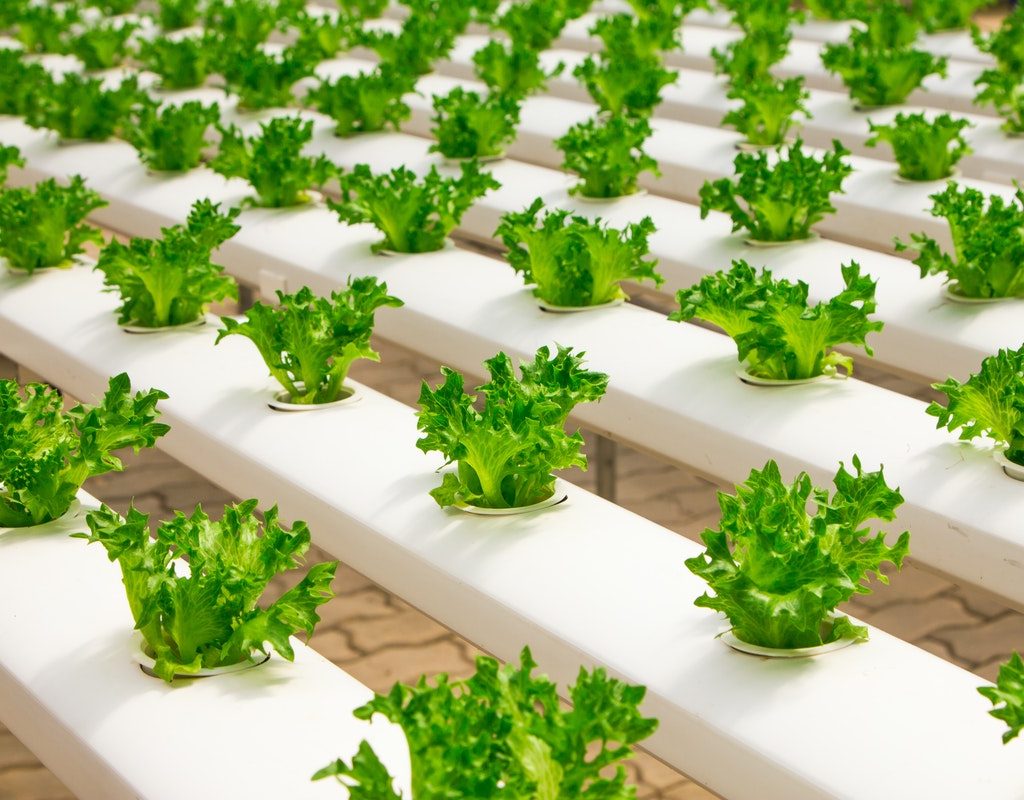
The nutrient film technique (NFT) uses a pump to transport fertilized water to the plant trays and uses a pipe to drain any excess nutrient solution; it is regarded as one of the more versatile hydroponic setups. In the NFT system, your basement greenhouse will be set up in a way that the roots of your plants will have a continuous supply of nutrient solution thanks to gravity! The grow tray is placed at an angle, which allows the water/excess solution to flow out and down the pipe while new nutrients and water are being pumped in at the top.
Because of the nature of the NFT system, there’s minimal concern around soaking the roots and overwatering the plants. The nutrient solution flows down the tray in a thin layer, allowing the tops of the roots to stay dry and receive oxygen (a crucial element for plants). The roots flow freely in this system, so it’s a good idea to choose lightweight plants because there’s no soil to help support it; however, if you do want to grow plants that require support, just make sure you have them prematurely set up, sturdy, and ready for the plants!
An ebb & flow system
The ebb and flow system is the most widely known hydroponic system and is also known as a flood and drain system. This system isn’t ideal for people who are new to hydroponic growing, especially in a basement greenhouse, as it’s a bit more difficult to use in regular environments; however, it’s a very versatile and low-cost system.
If you’d like to use it as a beginner and in your basement, just be sure to do thorough research and expect that you may have some hiccups here and there. There are many different components to this system that make it seem complicated, but once you know what you’re doing, it’s quite easy to use and maintain.
The versatility of the ebb and flow system comes from the fact that with this hydroponic setup, you can easily add and remove plants without affecting any of the ones around them. Different from the NFT system, the nutrient solution in the ebb and flow is only pumped out periodically; however, the setup of the angled tray and drain pipe is similar.
The Kratky method
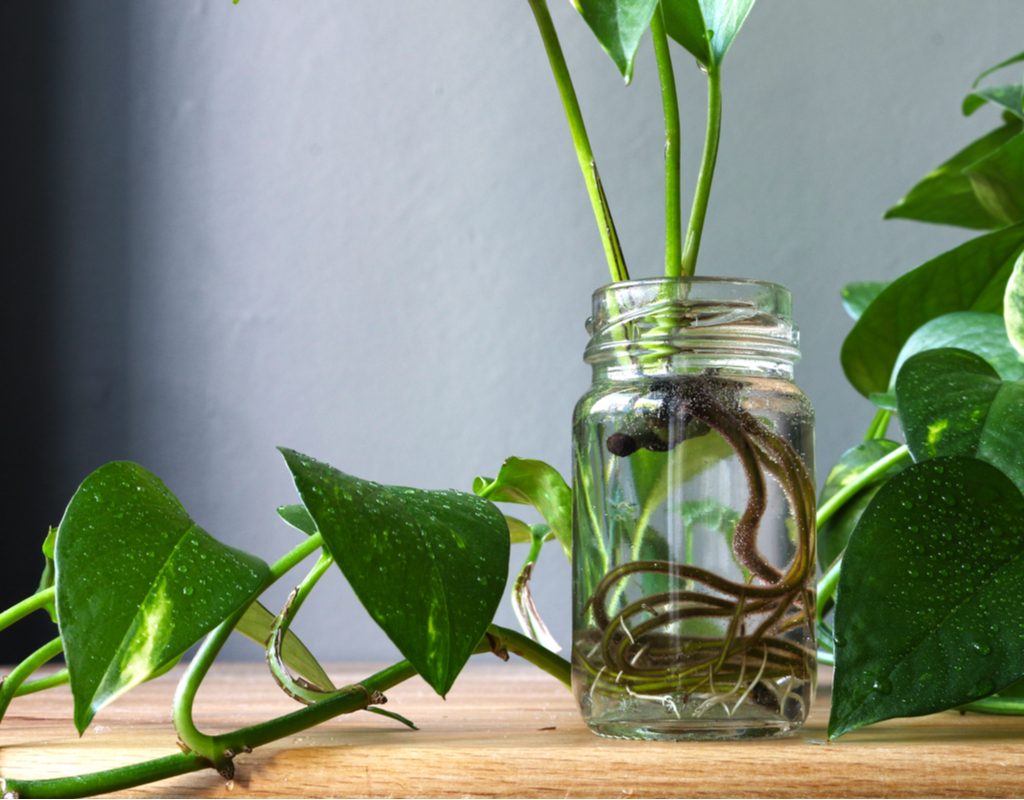
This is by far the simplest and a good one to attempt if you’re a new hydroponic grower, and even more so if you’re new to basement hydroponic systems. The Kratky method is passive, having no active parts like pumps. You place a young seedling onto a raft and place the raft on a tank that’s filled with water and nutrient solution.
The water will naturally drop as the roots grow, which will create an oxygen pocket for your roots. As long as the tank you have is deep enough, the plant will be ready for harvest by the time the nutrient solution is almost gone. At that point, you can harvest your plant, refill the tank with water and nutrients, and start fresh with a new seedling. The best part is that you should only need to spray down and clean the tank once every three to five cycles, so this method isn’t very high maintenance.
Choosing your plants
When you go to choose your plants, be sure that you pick the best ones for the type of system you’re using. You may find that there are ideal crops for the different setups, so it’s possible you won’t be able to grow everything you want in your first basement hydroponic setup. But don’t fret! The more experienced you become as a hydroponic grower, the more you’ll understand the system and feel confident in your ability to grow a wider variety of plants in your basement greenhouse.