Recently there has been a stigma against buying plants from the plant sections at big box stores, like the grocery store or your local Home Depot. While most of us probably started collections with plants from these places, you’ve likely grown suspicious of them since learning more about plants. As with everything, there are pros and cons Here, we dive into why you should or should not buy plants from these big box stores.
The prices of the plants
One of the biggest pros to buying from big box stores is the price. You can find some adorable plants for not too much money and grow your collection quicker. This is also an excellent opportunity for those with smaller budgets to get into growing plants without having to invest a lot of money. However, lower prices mean the plants were probably bought in bulk and aren’t as tended to as plants in smaller, more specialized stores. Of course, this isn’t an end-all-be-all con, but it’s something to remember when taking a gander at these tempting sections of those stores.
Availability of the plants
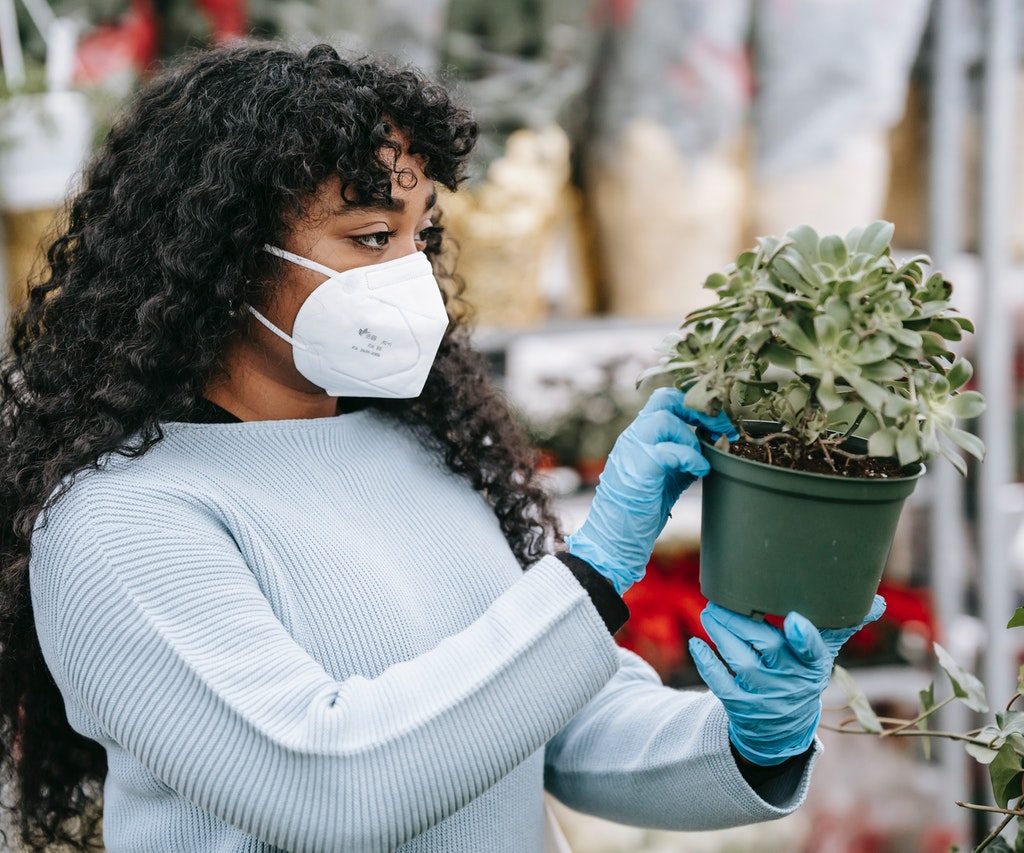
Although the plants’ prices are agreeable, the variety of plants that the bigger stores offer isn’t going to be as impressive. Since those stores buy in bulk to lower their prices, they don’t have the budget or the capabilities to invest in a wide range of species. So while you might be able to find an affordable palm or ZZ plant, you’re not likely to see more rare plants in those stores. But, of course, if this isn’t important to you and you love anything green you can get your hands on, then you’ll love the affordable plants at big box stores!
In-store care
One of the most significant differences between big box stores and smaller expert stores is the in-store care the plants receive. Generally speaking, big-box stores instruct their employees to water all the plants on a specific day, and they don’t cater to the needs of each plant. However, the smaller stores that specialize in plants take the time to understand what the plant needs, like which plants were watered yesterday and don’t need to be watered as often. They’ll also be able to see issues with a plant and act on it. For example, big box stores don’t care if some of their inventory dies, but the smaller stores might pull the plant from the shelf and try to save it.
Healthy plants
In the end, the plants you buy from a smaller store will be healthier because the staff took the time to tend to their needs. In comparison, you might take a plant home from a big box store that’s been over- or under-watered and dies the following week by no fault of your own. Additionally, smaller stores will pull plants with pests or diseases and treat their plants regularly to ensure all their plants are healthy.
Staff knowledge
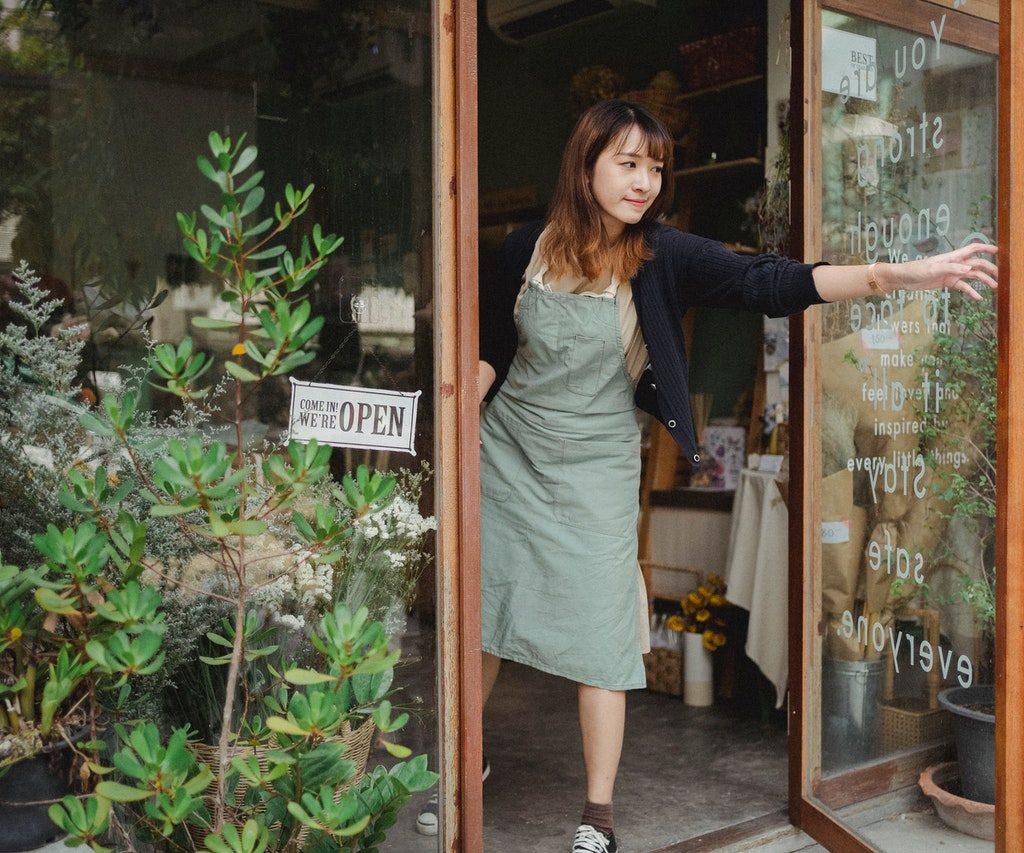
In addition to being able to care for the plants in the store better, the knowledgeable staff at a smaller store will be able to educate you on a plant that you’re interested in. If you find something that speaks to you but you aren’t sure how to care for it, you can ask the staff and know they’ll give sound advice. However, at the big box stores, it’s likely the employees don’t even know the names of the plants, let alone how much sunlight they need.
Supporting local stores
One of the biggest cons of buying from big box stores is simply that you’re buying from a big box store. We all know it’s important to support small businesses and our local communities, so if it’s within your means to pay higher prices, it’s probably best to buy your plants from a smaller store with healthier plants and more experienced staff.
In the end, whether you buy your plants from small businesses or big box stores, the choice is up to you. What might work for you might not work for someone else, and there’s nothing wrong with picking up an adorable ponytail palm on your way out of the grocery store. We just might suggest quarantining your plant for a few weeks before introducing it to the rest of the flock to ensure it doesn’t carry any pests or diseases.