
Each of the different types of fertilizer is designed with a common goal in mind: To give a plant the nutrients it lacks. They help improve plant growth and add to the nutrients the soil may already possess while replacing any potential nutrients taken by previous crops. Fertilizers can be organic or inorganic (i.e., natural or artificial), so as you peruse the aisle, you’ll want to pay close attention to which one you choose if you’re after a certain kind. Keep in mind that fertilizer isn’t one-size-fits-all. Different plants have different nutrient needs, so a cactus fertilizer wouldn’t be the best to use on a fern. So, what exactly are the fertilizer types and their uses?
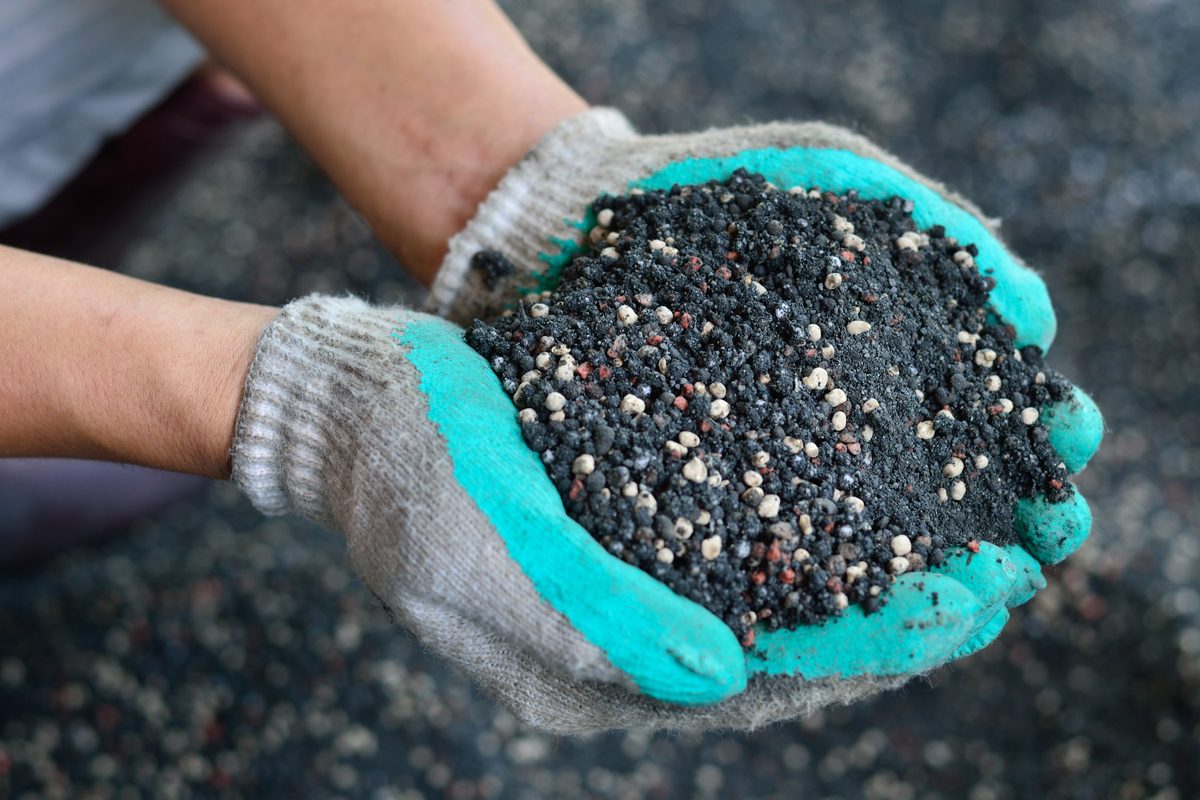
The different types of fertilizer
There are two core types of fertilizer you can choose from, based on what you’re looking for and what your plants’ needs are: Organic and inorganic. While fertilizers fall under these two main categories, know that the levels of nutrients can be different. We’ll touch on that later on.
Organic vs. inorganic fertilizers
When deciding whether to choose an organic or inorganic fertilizer, you’ll need to break down your wants/needs. Are you looking for a fertilizer that promotes long-term growth? Do you not need any specific nutrients but just want to supplement your plants? Then an organic fertilizer may be best. These types of fertilizers are often made from manure and/or compost, and as such can’t guarantee a specific amount of any type of plant nutrient. These fertilizers work slowly and help promote long-term growth, and they even help build up your soil! Best of all, if you have the means, you could easily create a homemade organic fertilizer to help your garden.
If, however, you’re after a specific set of nutrients and need quick, short-term growth, you’ll want to pursue an inorganic fertilizer. Because these are made up of chemicals that have nutrients for plants, they’re better able to guarantee not only the type of nutrient you’re getting but the amount. These fertilizers are great for short-term growth and targeting specific plant needs.
Nutrients that are important for plants
Along with oxygen, carbon, and hydrogen, there are three other key nutrients that plants need: Phosphate, potassium, and nitrogen. Although plants need calcium, magnesium, and sulfur in small amounts, you’ll mainly see fertilizers focused on the main six nutrients that plants need to thrive.
Phosphate
Plants need phosphate for their entire lives. It’s an essential nutrient for strengthening their roots and stems (the basis for their structure). Plants that have a phosphate deficiency will often experience stunted growth, which you’ll see reflected not only in their stems but their seeds, flowers, and fruits, as well. Because phosphate is slow to act, if you have any concerns about phosphate deficiency in your plants, it’s good to use the fertilizer in the soil before planting or potting. It lasts long, so a little will go a long way for your plant’s growth.
Potassium
In the same vein of root growth, potassium also aids in helping your plant grow a stronger root system. It’s one of the most important nutrients for photosynthesis but has quite a few other benefits. Potassium helps protect your plant from potential disease and can help prevent harm if your plant is lacking other types of nutrients. You can identify a potassium deficiency by yellowing/browning at the edges of leaves. Because potassium directly affects the strength of the root system, potassium fertilizers should be applied close to the roots.
Nitrogen
Nitrogen is particularly essential during the middle stages of a plant’s life cycle due to the fact that it’s the nutrient most responsible for growth. It’s one of the most useful nutrients and is ideal to use when your plants need a little boost. Remember that if you’re looking for a short-term solution, an inorganic fertilizer is the right choice to augment this nutrient. If you want to promote long-term growth, you should use an organic one early on.
The most common fertilizer you’ll see (and likely need, as long as there isn’t a specific deficiency) is a 5-5-5 fertilizer. These are all-purpose, containing equivalent amounts of the essential nutrients plants need. If you have a particular nutrient deficiency you need to target, you’ll see these numbers change. Be sure to select an appropriate fertilizer for the nutrient you need to help (often labeled on the bag).
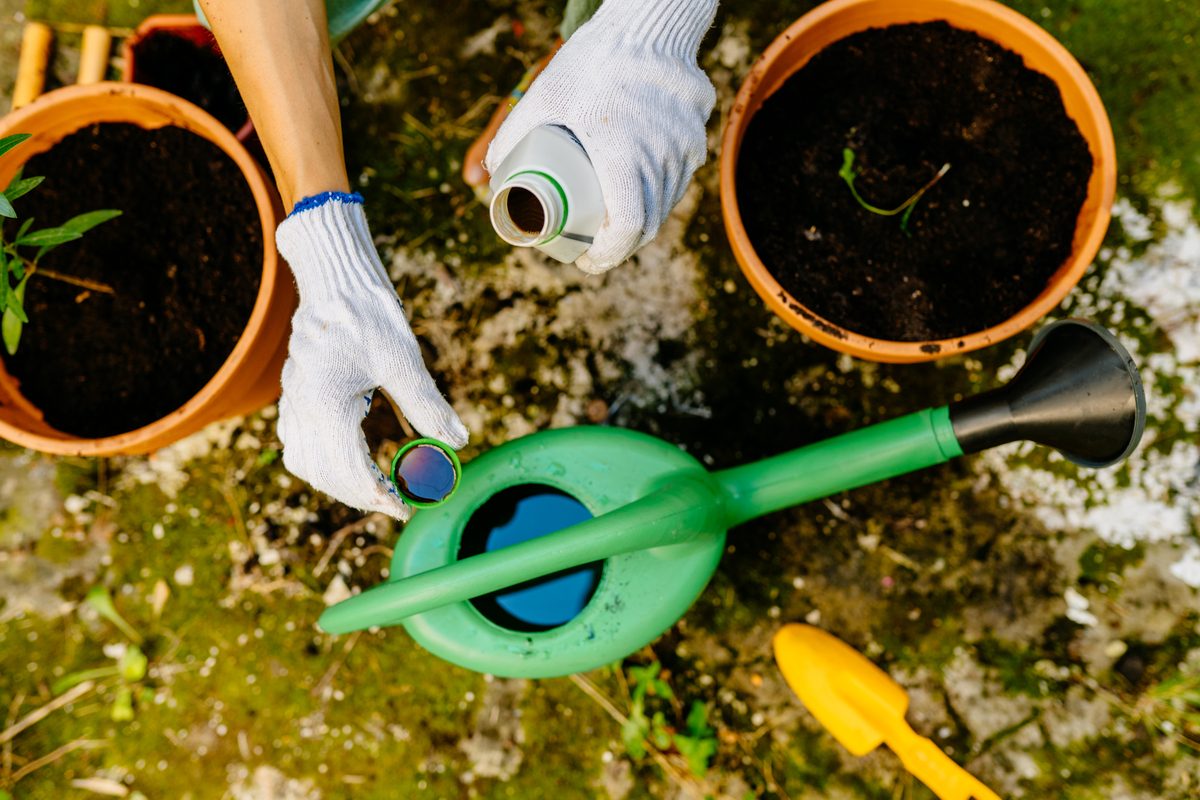
Is there only one form of fertilizer?
Fertilizers can actually come in a few different forms (powder, granular, and liquid), so you’ll want to look up what form would be best for your plant. The type you choose can often vary depending on how fast you need/want it to act, too. Granular fertilizers are often the slowest acting as they’re spread on top of the soil and soaked in over time. Powder fertilizers are spread on top as well, but act faster when water is added. Liquid fertilizers are often the fastest acting as they’re applied in a similar manner to watering. Because they don’t have anything to break down or absorb, the nutrients will act a bit faster than with granular fertilizers (though liquid ones don’t last as long).
Whenever you apply fertilizer, be sure to follow the instructions for the best way to meet your plants’ needs. This can include the amount to use, how often, and (for liquid fertilizers) if you need to dilute it any further. Too much fertilizer can be bad, too, but the right amount will help your plant grow to its fullest potential.