Gaining in popularity from skin products to gardening solutions, the coconut is a mighty plant. Unlike other options, coconuts are often ethically grown and are a renewable source. This makes using it in products great for the environment, as well. Every part of the coconut has a beneficial use, from the tough exterior to the milk inside. However, we’re most interested in the tough fibers between the shell and the milk for gardening purposes.
What is coconut fiber?
The fibers between the shell and the nut full of milk are hard to get to and there’s a lengthy process to prepare it for use. Manufacturers have to soak the fibers and then dry them out for a year before preparing them to be used in gardens.
Coconut fiber is known for many different gardening products such as coconut coir, molded pots, compact coir disks, seed starter pellets, and more. Gardeners might be most familiar with bagged coconut coir that can be added to the soil for better water retention or used as a medium for a hydroponic system.
The benefits
As mentioned above, coconut coir is an excellent alternative to soil and can be used in a hydroponic system. It still looks and feels like soil, making the transition from soil gardening to hydroponics much easier.
Coconut coir is also great at retaining water to keep moisture-loving plants happy in a dry pot or hot climate. It can hold up to 10 times its weight in water, making it great for amending dry soil or sprouting seedlings.
Not a fan of peat moss? Then give coconut coir a try. Peat moss is not a renewable resource and impacts the environment negatively. Coconut coir is a fantastic renewable resource, and coconut coir itself is a waste product that has been repurposed. So not only is it renewable, it’s a product that companies once threw away, and we have now found a way to use it productively.
If you’ve struggled in the past with pests and insects, coconut coir is an ideal option to keep these irritating bugs away. They don’t like to move into coconut coir, making it a great defensive line for your seedlings.
The downsides
Coconut coir has no nutritional value and will not supply plants with vital vitamins and minerals. This means you’ll have to add things like fertilizers. However, this isn’t a big deal if you’re using it to amend dry soil.
When purchased from garden centers or online, coconut coir is typically dried and often compacted. To use it within the garden, it will need to be rehydrated. This can be done in a plastic tote and a water hose and isn’t too hard.
When and why you should use it in the garden
Knowing the benefits of coconut coir helps us know when to use it within the garden. Its water retention makes it a great solution if a plant is drying out too quickly or needs more moisture than your climate can provide. Adding coir to soil or pots can help keep water near the roots longer.
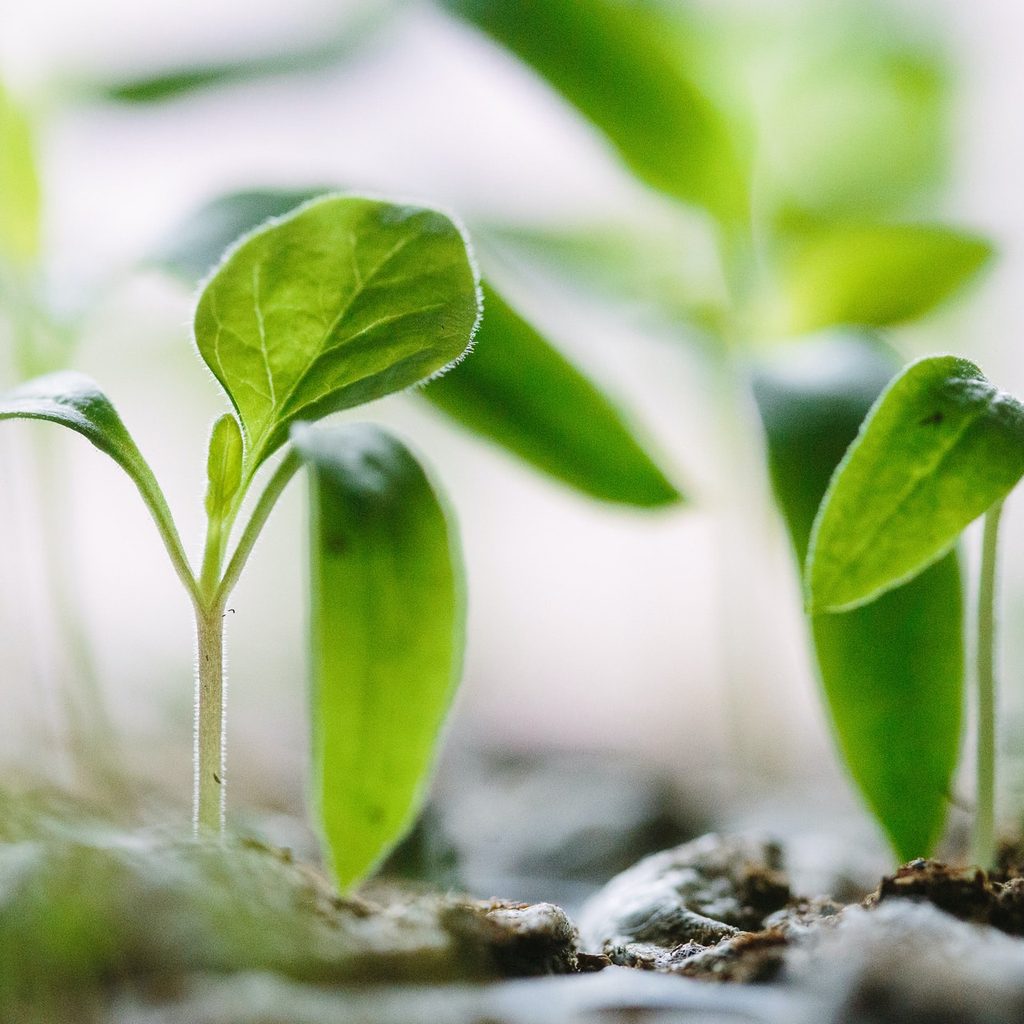
Since it is a clean and pest-resistant soil-like substance, it’s a great way to start dipping your toe into hydroponics. It feels and looks like soil, which makes the transition easier for you and the plants. Coconut coir is also a super option for starting seeds. As long as you’re providing a liquid fertilizer when you water, seeds looking to sprout love the moisture retention qualities of coir.
When gardening, there are lots of things to consider. Factors like renewable resources that can feel overwhelming to think about shouldn’t be ignored. Coconut coir is the perfect option for those looking to grow their garden with healthy options for themselves and the environment. Coconut coir also has many benefits and uses within the garden that can make gardening easier!