Creating a gorgeous patio is the first step to wanting to spend time in your outdoor space. Fresh greenery, flowers, and other plants help bring a beautiful atmosphere; however, if you have a brown thumb, it can feel a bit confusing (and oftentimes discouraging) trying to come up with a layout that you love the look and feel of. Luckily, there are some easy-to-care-for plants that are great for outdoor patios! Because patio plants are grown in containers, they’re usually not as complicated as those tropical ones you see indoors. Try your hand at one of these six to help brighten up your outdoor patio for a nice summer gathering.
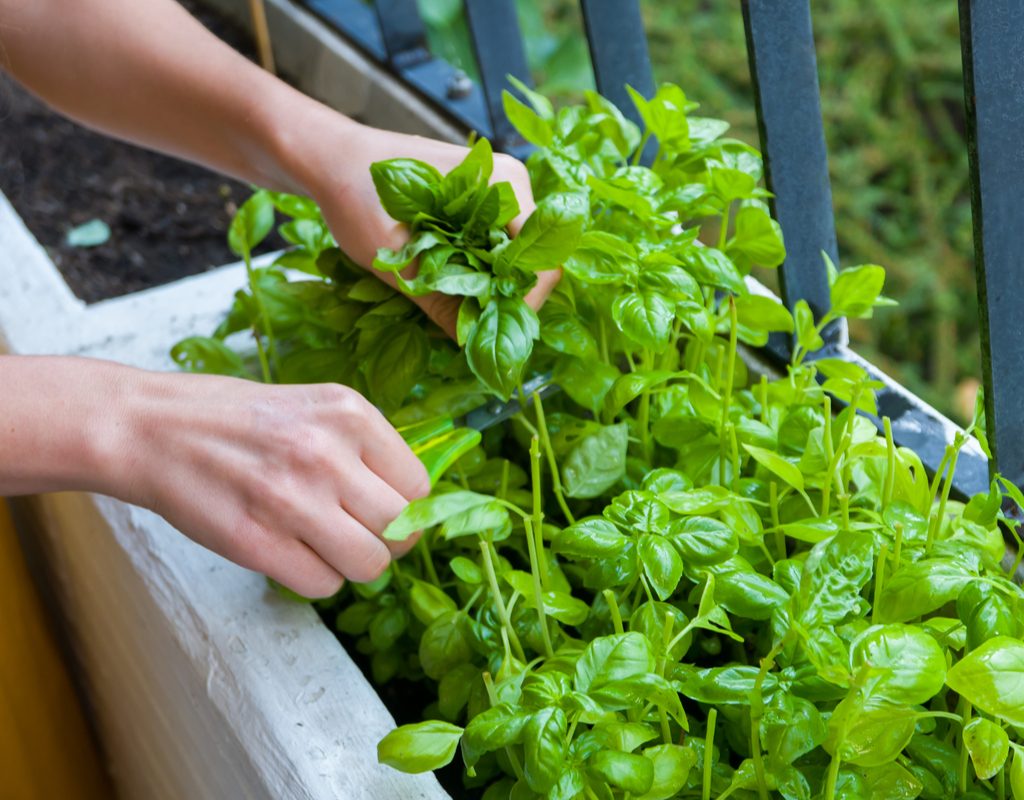
A box herb garden
Deck box herb gardens are a popular choice for patio spaces, simply because they bring fresh aromas and bright greenery to the space. Not only that, but one of the biggest bonuses is that you have fresh ingredients right outside your door! Need a bit of basil for your pasta tonight? It’s right at your doorstep.
And for the most part, caring for container herbs is easy. A lot of them have the same requirements for water and sunlight, so you can plant a few different varieties in one container. It’s still important, though, that you look up what kinds of herbs you’re interested in growing to make sure that you only plant ones with similar care in the same space. Otherwise, use a few different containers!
The best herbs for this kind of setup are ones like basil, oregano, parsley, and thyme (among others), which are low-growing and have shallow root systems. There often isn’t a lot of space in containers, so you want to make sure the herbs you choose are not only ones you like and will use, but ones that will grow well in the smaller space.
Light needs: Six hours of bright light per day
Water needs: Regular watering; likes to be moist but not soggy
Soil needs: Loose, well-draining soil
Geraniums
There’s an array of geranium varieties you can grow on your patio — all just as beautiful as the one before. Between the ivy geraniums (which are great for hanging baskets!) and the variegated geraniums, you can plant all different kinds that not only brighten the outdoor space but make it feel dynamic. And for the most part, their care is quite similar.
Geraniums like a fair amount of fertilizer, so it’s recommended that you mix in a slow-release kind when you initially pot them so that they have a few extra nutrients to start. Once they’re established, you can feed them with a liquid fertilizer mixed into your water every two to three weeks during the height of the growing season. Be careful of over-feeding them, though; if you’re ever unsure, it’s better to not fertilize than it is to over-fertilize, as that can cause adverse effects.
Light needs: Bright, indirect sun for most of the day; some light shade is appreciated during hot afternoons
Water needs: Regular watering
Soil needs: Fertile, well-draining soil
Succulents and cacti
Succulents and cacti are a fantastic way to spruce up your outdoor space during the warmer months! Because most varieties aren’t terribly cold-tolerant, you want to hold off transitioning them outdoors until late-Spring or early-Summer when the temperatures have consistently warmed up. The important thing when caring for these plants (indoors or outdoors) is being mindful of their native habitat. You want to be able to mimic that as closely as you can.
Because there are so many different varieties, shapes, sizes, and colors, succulents and cacti can add both a delicate and dynamic look to your patio (or other outdoor space). They don’t take up too much space, since most varieties are slow-growing or don’t grow that large. Take care to pot them in a container with good drainage, too, so that the excess water has somewhere to go and the roots don’t sit in soggy soil.
Light needs: At least four hours of direct sunlight per day
Water needs: Soak and dry method; let the soil dry out between waterings
Soil needs: Well-draining soil
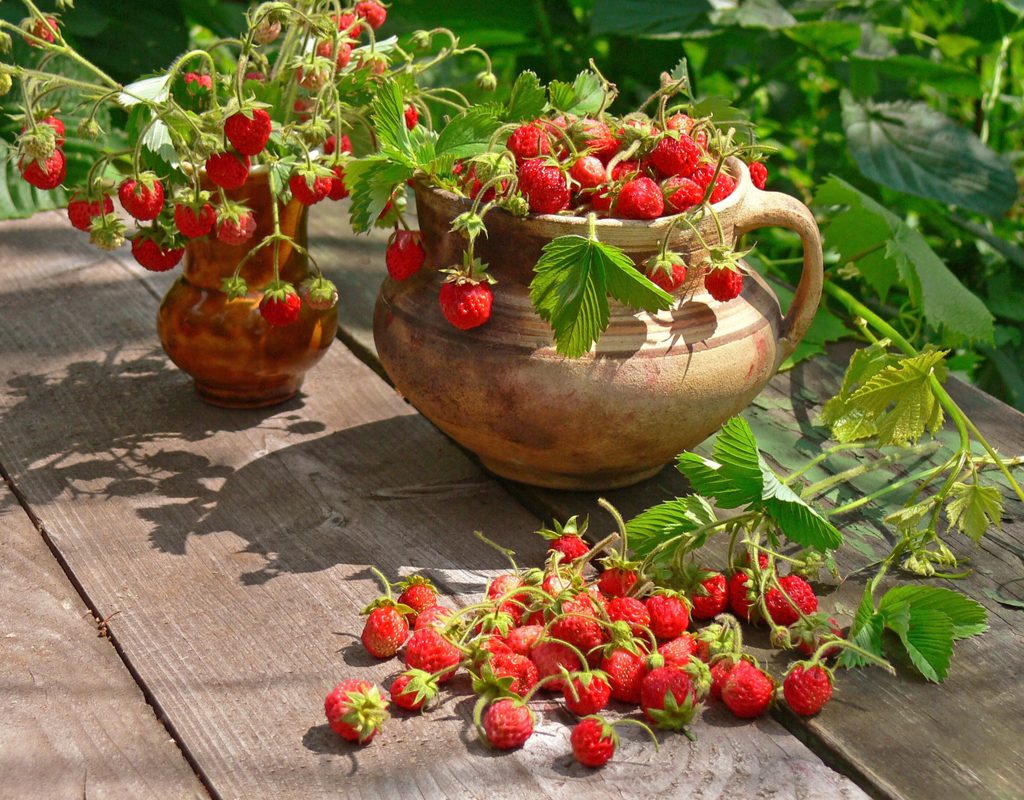
Container strawberries
Because strawberries are low growers with shallow roots, most varieties are perfect for containers and as patio plants! They’re fairly easy to care for and can reward you with a fresh bit of fruit to snack on as you sit outside in the warm summer air.
The main thing you want to be cautious of is overcrowding. Strawberries may grow low, but they grow out. Depending on the container you’re working with, you don’t want to have more than two or three plants. As they grow, a healthy strawberry plant will start having runners. Normally in a garden bed, you’d leave them be and let them spread out; however, since they’re in a smaller space, you should snip the runners so that the parent plant can continue getting all the nutrients and room it needs.
Light needs: At least six hours of direct sunlight per day
Water needs: Regular watering to keep the soil damp; avoid overwatering
Soil needs: Well-draining soil
Marigolds
Marigolds are relatively low-maintenance flowers whose stunning yellow and orange blooms will brighten up your outdoor space. In fact, they’re often planted alongside veggies in garden beds to help deter pests. If you’re planning on having container plants on your patio, potted marigolds can serve a similar purpose!
They are true annuals, which is an appealing factor when planted in containers. You don’t have to worry about needing to overwinter them or tossing out a plant that could come back beautifully the following year. Marigolds can even tolerate a wide range of temperatures, growing well in all USDA hardiness zones.
Light needs: Full sun for most of the day
Water needs: Water regularly for best blooms
Soil needs: Leaner, well-draining soil
Caladiums
Caladiums are heat-loving plants that are a perfect choice for shadier patios during the warm summer months. There are a few popular varieties you can find at a local nursery, but each of them can be identified by large arrow-shaped leaves. Caladiums often have beautiful colors and patterns that give them an added “wow” factor other greenery doesn’t have. If you’re working with a shadier patio, these are great plants to sprinkle around and keep the space feeling lively.
Light needs: Indirect light to light shade outdoors; full sun will scorch leaves
Water needs: As-needed to keep evenly moist; avoid letting it dry out
Soil needs: Rich, well-draining soil
An outdoor patio space is somewhere you want to spend time during cool summer days and warm summer evenings. Sprucing it up with some fresh greenery, flowers, and small-scale crops is a great way to make it more enjoyable and invite beautiful aromas to your home.