Avoid disappointing produce that is off-season and shop at local farmers markets for fresh and in-season items. Not only will your kale be crunchier and tastier, but it will also be healthier and better for the environment. So how does buying and eating local, seasonal food do all this, and how do you know what’s in season in your area? Read below to find out.
Why eat local and seasonal food?
A farmer in Arkansas said, “store-bought tomatoes taste like disappointment,” and she’s not wrong. Strawberries out of season aren’t as sweet and juicy as strawberries at peak season. But the importance of buying in season goes deeper than taste. Studies have proven that fruits and veggies allowed to ripen on the plant have increased nutrients. When blueberries aren’t in season but are still harvested and shipped out, they’re often picked early and lack the same taste and nutritional value.
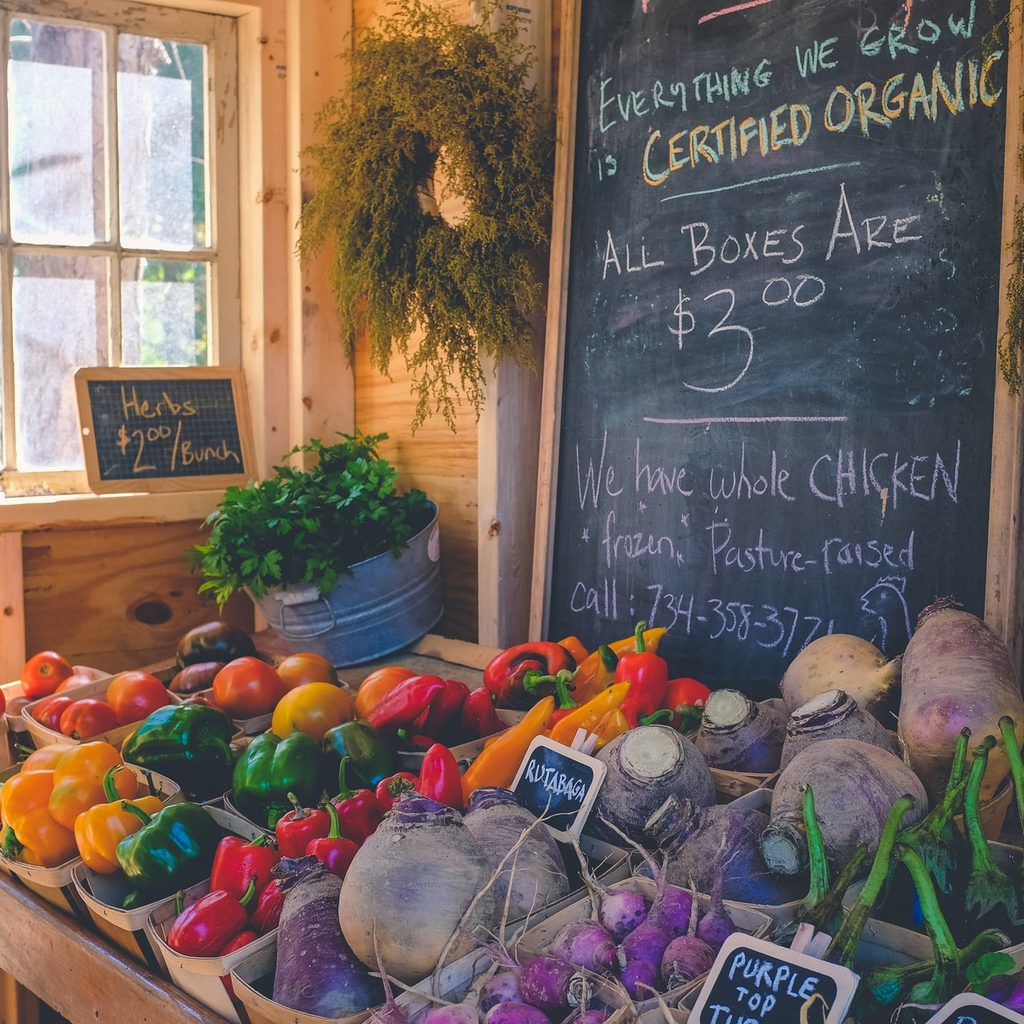
Purchasing these seasonal foods at a local farmers market improves their flavors and their nutritional value as well. Buying from local farmers not only supports those smaller farms, but the produce also usually comes organic and ripened on the plant. In addition, supporting small farms creates jobs and stimulates the local economy, so everyone can benefit from shopping locally.
Southwestern United States
Included in the Southwest are California, Arizona, New Mexico, Texas, Oklahoma, and Kansas. These hotter states have the most extended growing season of any other region, and California is responsible for two-thirds of the fruits and nuts for the whole United States. In the west and prairie states, the growing season is from June to August, northern states of the Southwest grow from early May to September, and desert states grow from April to early November. Look for produce like avocados, grapes, lettuces in colder seasons, chile peppers, and beans in hot weather, and visit Oklahoma and Texas for your peanut and pecan needs.
Southeastern United States
This is the region where you can find the most diverse produce throughout the year. It includes states like Georgia, Louisiana, Kentucky, Virginia, Mississippi, North and South Carolina, Tennessee, Alabama, and Arkansas. Florida can grow year-round tropical fruits and then frost-friendly veggies in the colder months. When the temperatures are the highest, look for veggies like cowpeas, okra, and eggplants. When it gets cooler outside, buy up all the kale, broccoli, and cauliflower you want. In early summer, tomatoes, berries, onion, peaches, squash, and sweet potatoes are prevalent in this area of the United States, and you might argue you can’t find them any better anywhere else.
Midwestern United States
States in the Midwest get the extremes of both summer and winter weather. Winters are frigid and often include feet of snow, while summers are hot and humid. The Midwestern states are Michigan, Ohio, Indiana, Illinois, Wisconsin, Minnesota, Iowa, Missouri, Kansas, Nebraska, South, and North Dakota. While they don’t have the shortest growing season, it’s significantly shorter than the southern states, usually between late April and October. One thing in the Midwest’s favor is the rich soil. The grain fields of Illinois and Indiana are legendary in scale. In the summer, keep an eye out for fresh sweet corn, raspberries, greens, beets, and cherries from Michigan. Some overly protective growers can even grow peas, radishes, spinach, carrots, turnips, arugula, Barkley, and dill in the colder months.
Northeastern United States
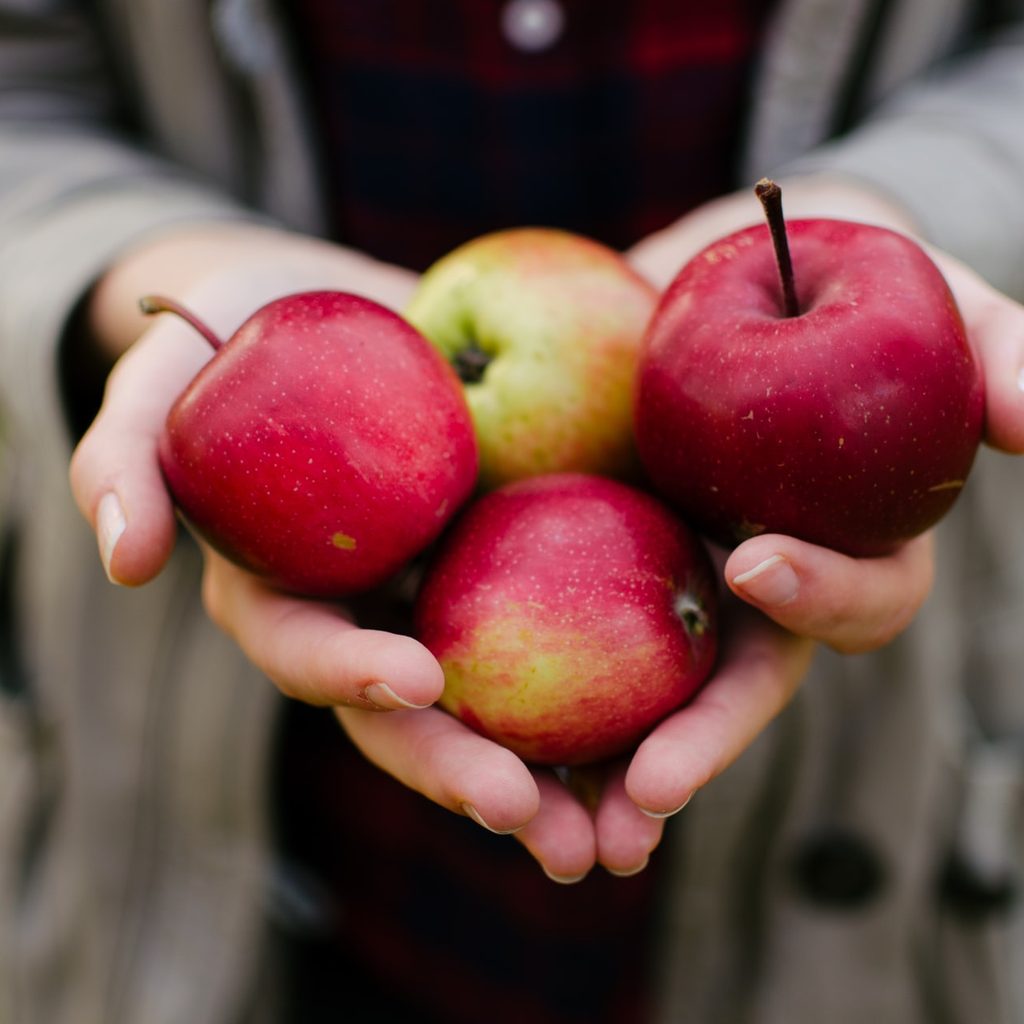
Maine, Vermont, New Hampshire, Massachusetts, Connecticut, Rhode Island, New Jersey, Delaware, Maryland, Pennsylvania, and New York are the frigid states of the Northeastern United States. These states have famously short growing seasons, but don’t count them out just yet. Cold-loving plants such as brassicas and root veggies love it here, and you’re sure to love the delicious flavor a cold snap will give this produce. Look for potatoes, onions, garlic, and apples. In the summer months, look forward to blueberries, cucumbers, cauliflower, and grapes. You might even find the local farmer selling delicious and nutritious mushrooms.
Northwestern United States
Not as cold as its eastern brother, the Northwest has longer growing seasons and more options for fresh produce. These states include Washington, Oregon, Idaho, Montana, and Wyoming. In early April, look for beets, scallions, cilantro, carrots, lettuces, spinach, broccoli, chives, and fennel. Later in the season, you can find dill and cauliflower. Summer is sure to bring produce like apples, beans, berries, corn, cucumbers, parsley, pumpkins, radishes, swiss chard, summer squash, and tomatoes.
Spending time at a farmer’s market looking for the best produce is an excellent way to stay healthy and support local businesses. In addition, it’s a great way to spend a day with friends and family. Help out your fellow neighbors by buying local and seasonal produce, and you won’t ever eat another disappointing tomato again.