As Labor Day rolls around and the temperatures are cooling down, it’s time to start thinking about and planning your fall garden. The most significant difference between summer planting and fall planting is timing. When you’re planning for summer, your bed is likely to be completely bare and ready with fresh compost. However, fall gardens are still competing with lingering summer plants. Not only that, but you also still have harvesting and preserving to do from your summer plants. Because of all this, fall gardening can feel more overwhelming and requires more planning to pull off successfully.
So what plants should you sow for fall gardening?
Root Vegetables
Many of us associate these veggies with winter since they’re showcased in lots of soups. They’re a great way to still eat fresh veggies as the weather cools down.
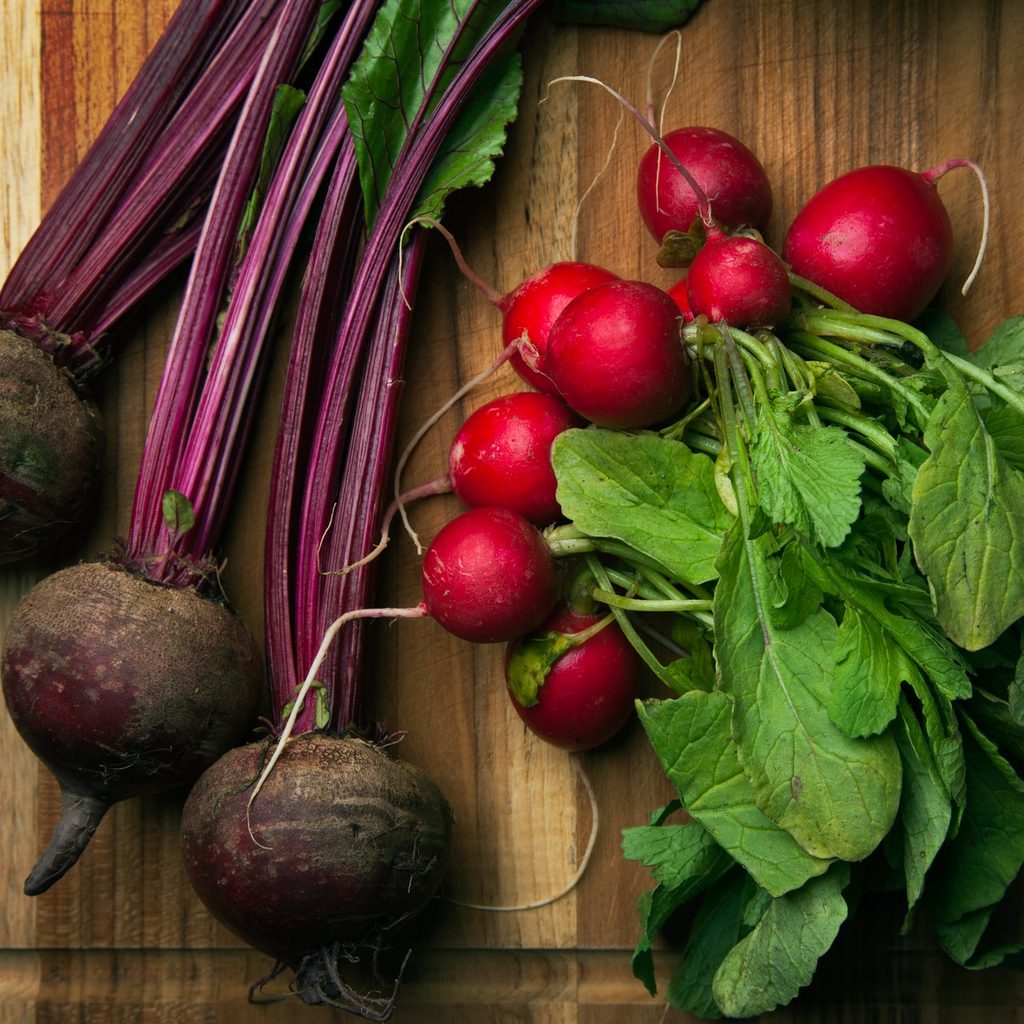
Beets
Beets are a fall garden staple, and they’re great for your gut health. You can roast them, make a soup out of them, pickle them, and you can even eat their greens! Depending on the variety, they take 40 to 70 days to mature.
Radishes
Most of us have probably had a thinly sliced radish on our salad before, but this spicy root veggie should be incorporated into our diets more! They’re rich in antioxidants, calcium, and potassium. You can also grow these as microgreens for a spicy, leafy green on your salad. They’re also delicious pickled! For most varieties, it takes about 30 to 40 days to maturity.
Turnips
Surprisingly, turnips are a good source of protein and fatty acids and are loaded with fiber. They can be roasted, thinly sliced, and sautéed like onions or eaten raw! They take anywhere from 50 to 60 days to mature, but you won’t want to miss out on these pretty veggies.
Carrots
Everyone knows that carrots are excellent for eye health, but they’re also full of fiber, vitamin K, potassium, and antioxidants. They’re versatile veggies that can be used in several ways, including in soups, roasted, mashed, steamed, or shredded raw on salads. Unfortunately, carrots take a long time to mature; most varieties take 70 to 80 days. They’re also considered one of the harder veggies to grow. If they don’t have the proper space or growing area, they can grow crooked, too small, or not at all.
Leafy Greens
Leafy greens are ideal plants for cooler weather, and it doesn’t matter if it’s early fall or early spring; these plants love chilly temperatures.
Pak Choi
A good source of vitamin C and E, pak choi is a delicious and healthy green that sometimes gets overlooked by big names like kale or spinach. Invest some time and garden space for these plants and enjoy them in soups and stir fries all winter long. Just remember that it takes 30 to 40 days for these plants to mature.
Leaf Lettuce
There are many leaf lettuces you can grow in cooler weather, and they all take about 40 to 60 days to mature. Chop them up into salads and extend your fresh, garden-eating season by planting these healthy and delicious greens.
Kale
Kale is famous for being a dark leafy green that many health gurus will make just about anything with it. There are salads, soups, roasted kale chips, smoothies, and more. While kale might be hyped up, it deserves it. Kale is high in iron, fiber, antioxidants, calcium, and vitamins C and K. Enjoy this green 35 to 65 days after sowing and make a green smoothie for breakfast!
Arugula
While it’s not as spicy as a radish, arugula is an excellent addition to salads and pizzas. It takes 20 to 40 days to mature and help maintain heart, lung, and kidney function. Arugula sprouts can even be grown indoors and are a great way to add a bit of freshness to your winter salads.
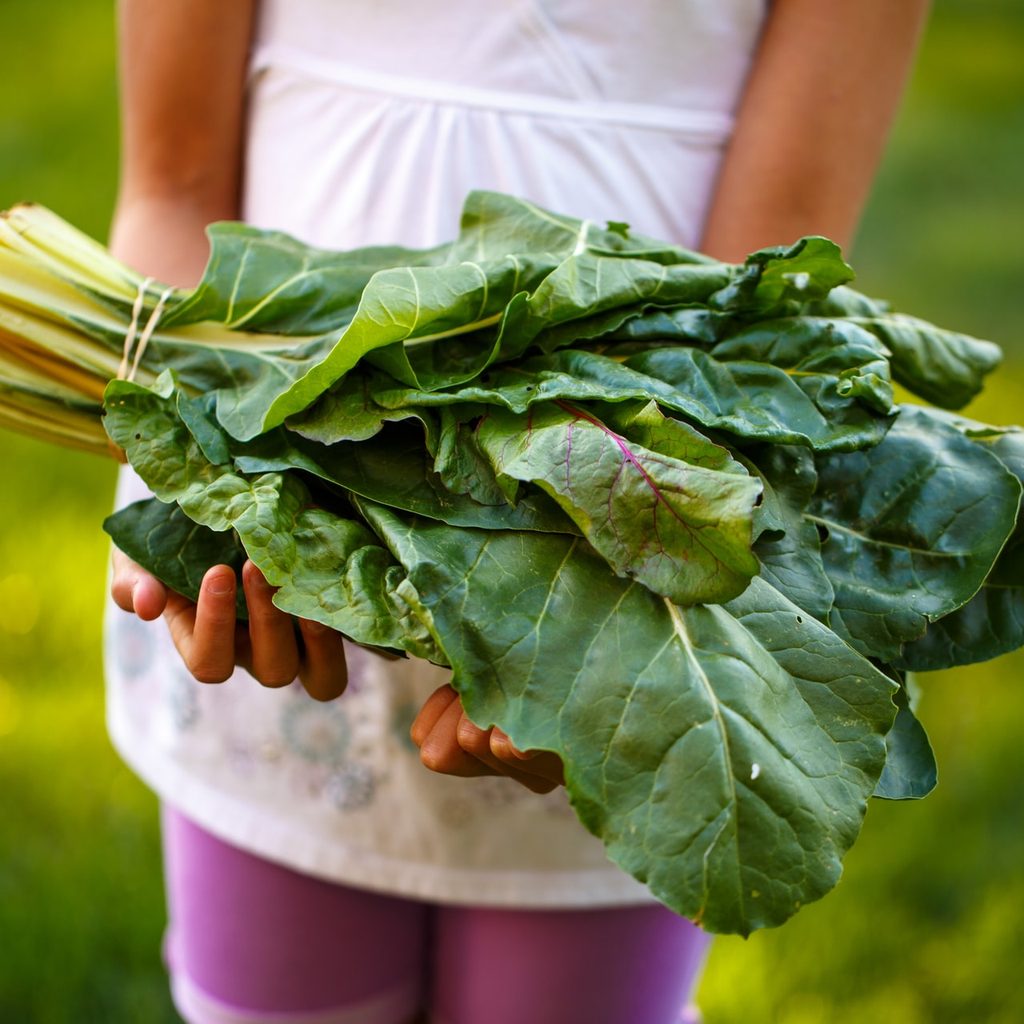
Swiss Chard
Swiss chard doesn’t get enough credit for how beautiful and beneficial it is. It’s considered a leafy green and can come with a wide range of bright yellow, pink, or red stems. For the best flavor, sauté these with onions and garlic as a healthy and delicious side dish, but you’ll have to wait at least 30 to 50 days until they mature.
Onions and Garlic
These fantastic bulbs are delicious and the backbone of so many recipes. There’s almost nothing better than the smell of garlic and onions sautéing in a pan.
Green Onions
Good for your bones and your blood, green onions come packed with a lot of vitamin K and C. These are good fresh on top of many Asian dishes, salads, and wraps. They take 50 to 70 days to mature, and since they’re a smaller plant, you can pack a lot of them in a small space.
Red, Yellow, White Onions
Not all but many varieties of onions can be planted in the fall and harvested in early spring. So although you won’t reap the benefits this season, you’ll be glad you planted them when next spring comes around. Onions are high in antioxidants that fight inflammation, and they are also considered a prebiotic, which helps with guy health. They take 90 days to mature, but when planted in the fall, they take longer due to them going into a dormant-like state during the winter.
Garlic
You also won’t harvest garlic this season or even next season. Most garlic varieties take up to nine months to mature. Even though the wait is long, it’s well worth it. Fresh garlic from the garden not only elevates any recipe, it’s also great for your health. Garlic fights bacteria, viruses, fungi, parasites, and vampires! Well, maybe not the last one, but garlic has many medicinal health benefits that everyone can take part in.
Although we highly recommend all these yummy veggies, choose the ones that sound good to you and enjoy the benefits that a fall garden can offer. It might feel overwhelming at first, but having fresh veggies coming from your garden for a more extended period can make a huge difference in your mood and your food.