It happens to the best of us. We have the best intentions of keeping up with the garden but then summer plans and vacations get in the way. It’s amazing how quickly an untended garden can become an out-of-control eyesore. While surveying the damage, you might feel overwhelmed and unable to fix what has already happened. Don’t be discouraged! With a few baby steps and maybe the help of a friend, you can reclaim your garden and restore it to its original beauty. Use these tips and tricks to help you on your way.
Common signs of a neglected garden
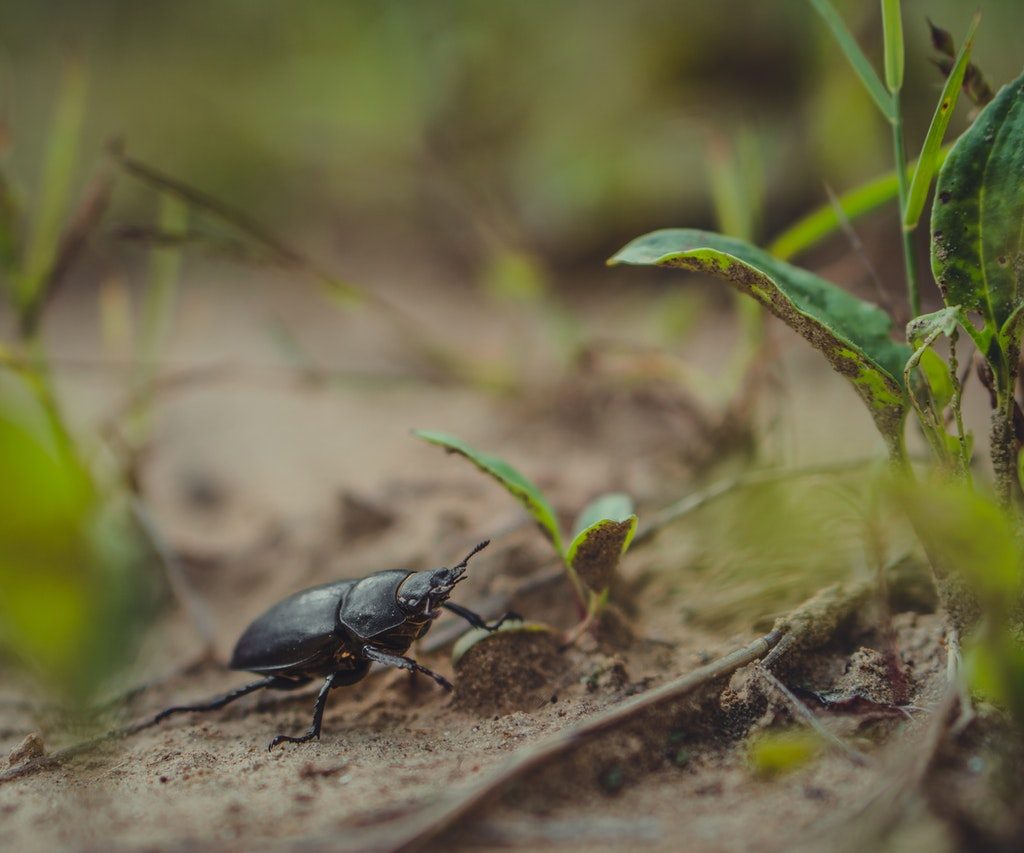
To be sure we’re on the same page, let’s first discuss the signs of a neglected garden. There are, of course, weeds running rampant and maybe even choking out your prized roses or cucumbers. You might see dying plants or drooping flowers, and likely an abundance of pests have taken over. These could be spiders, snakes, chipmunks, caterpillars, moths, ants, or even wasps. While most of these pests are docile and will move along with the disruption you’re about to bring, some of them are aggressive and could be dangerous if not dealt with properly.
How to spruce up your neglected garden
Before you get started, take a deep breath. It’s easy to see all those weeds, dying plants, and pesky insects and immediately get overwhelmed with the amount of work that needs to be done. While it will require work to spruce up your neglected garden, it doesn’t all have to happen in one day or even in one weekend. The best way to ward off overwhelm is to walk around the garden and make a detailed list of all the things you want to do. With those thoughts on paper and out of your head, the list becomes easier to manage and plan.
Here are some ideas of what to add to your list and how to deal with some of the problems you might be facing.
Get rid of the weeds
Any neglected garden will be overrun with weeds. Weeds are tenacious, hardy, and resilient plants that can thrive where other plants might struggle. When left alone, they can easily take over and even strangle the plants you want in the garden. There are many ways to remove weeds from a garden, including pulling, weed-eating, and smothering. Depending on your game plan, one of these is sure to be your best route. Pulling will reduce the risk of those weeds coming back and frees up the garden right away. Smothering weeds takes longer but is easier on your back and hands. Weed-eating won’t kill the weeds, but it will make them easier to deal with if they’ve become so overgrown you can’t see the ground. This will also help uncover snakes or chipmunks that might have made a home.
While removing weeds, be sure to protect yourself from poisonous plants and pests by wearing gloves, glasses, and long sleeves.
Support your plant friends
Many plants eventually become so big they topple over onto the ground. To help these plants out, prune them back and support them with stakes. Trellis and tomato cages are excellent ways to provide the support your plants need to stand upright and avoid the risk of rot and pests.
Restore the soil
It’s likely that the soil in your neglected garden has become too dry and too hard. After removing the unwanted weeds and giving your plants a sturdy support system, it’s time to rejuvenate the soil with compost and deep watering. Then, protect that bare soil and lay down a thick layer of mulch to prevent more weeds from coming back and to reduce the amount of evaporation.
How to prevent a neglected garden again
So how do we avoid this from happening again? The best way to keep up with the garden is to do something small every day rather than waiting to do everything at once. Long days of work are hard on your body and your spirit. Splitting up the job in just a few hours here and there will keep you happy in the garden while allowing your body to rest in between.
If it’s on your to-do list, you’re more likely to do it. Saying you’ll get around to it means you probably won’t. If you schedule time in your day to at least check on the garden, you’ll be much more likely to pull a few weeds or notice that your flowers could use some water.
The idea of a garden is sometimes nicer than actually maintaining one. If you love seeing a full and beautiful garden but hate caring for one day in and day out, you might benefit from selecting plants based on their needs. Choose plants with low maintenance requirements, such as native plants. These are already accustomed to your area’s climate and will thrive with little to no care.
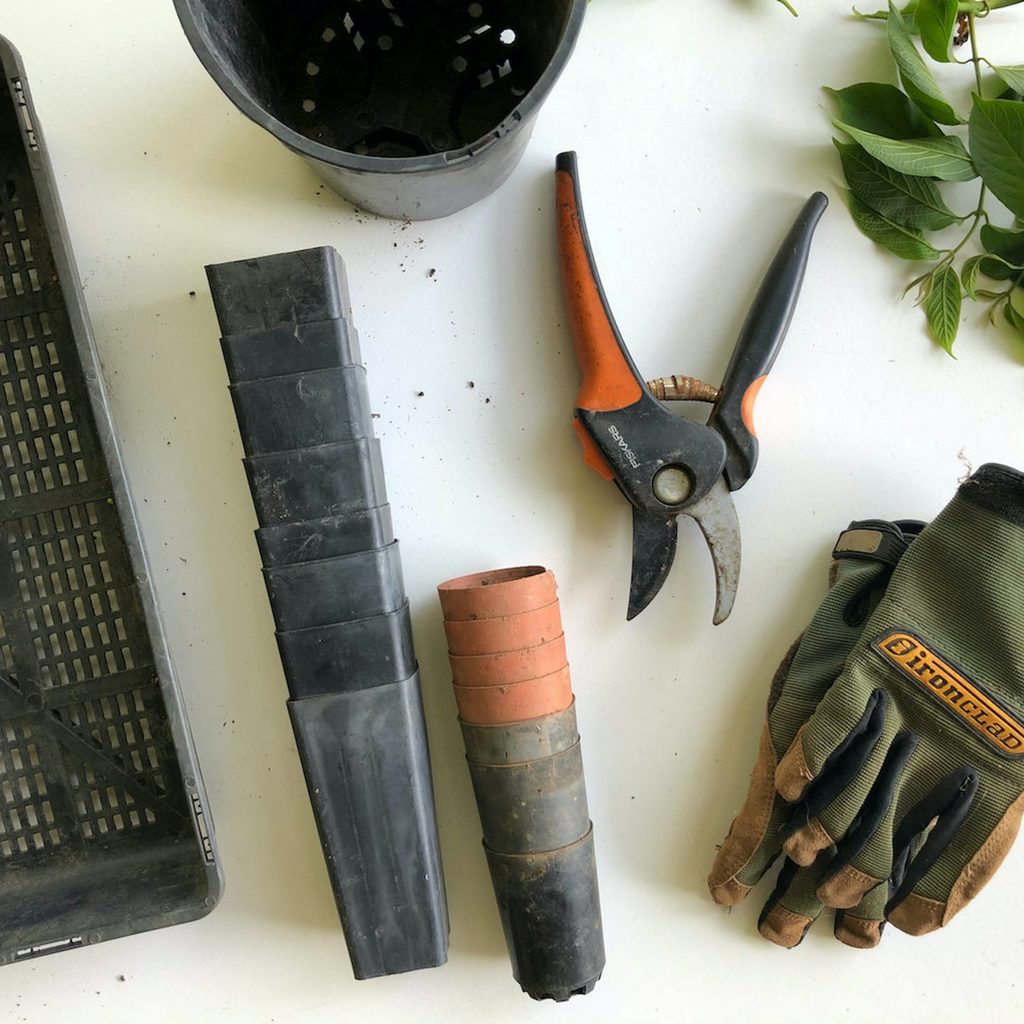
The worst part of gardening is the blisters. Investing in high-quality gardening gear and tools can make gardening chores easier to complete, and gloves will protect your hands from thorns, insect bites, and blisters. You’ll be less likely to avoid garden work when you have the tools needed to complete a task quickly and easily.
Just like a good workout routine, involving a friend can be incredibly beneficial when it’s time to garden. Spending time outside with a good friend can even make pulling weeds fun. It’s great exercise and a fantastic way to spend more time together. You’re also less likely to cancel gardening chores if you have a friend counting on you.
No matter which of these tips and tricks you use, they’re all sure to make your gardening life easier and more manageable.