Lettuce can be one of the more challenging vegetables to keep regularly fresh and crisp. Lettuce is a product with a short shelf life and can wilt and discolor rather quickly, even when refrigerated. It’s also no secret that the price of this vegetable continues to rise in cost. However, while lettuce is one of the most consumed vegetables grown in the US, it’s also one of the most wasted crops. Consumers typically discard a good portion of their lettuce scraps, especially the stem. Unbeknownst to many, those scraps can be regrown to create more lettuce while also promoting less food waste. This guide will help you start growing lettuce from the stem, and it will only cost you time and a little bit of water.
Why should you regrow lettuce from the stem?
Growing lettuce from scraps or stem is a great way to reuse a lettuce stump and reduce waste. When buying a pack of romaine lettuce from the store, many often discard the stem at the end. The reason for this is that most of the lettuce stem that’s disposed of is bitter and not as tasty in a salad or other leafy greens dish.
However, the stems of the lettuce bunch can regrow their leaves with only water and sunlight. This simple method can be a great way to learn how to reduce kitchen waste by improving the yield of a single plant.
What to expect when regrowing lettuce from a stem
You’ll need to anticipate and expect several things when attempting to grow lettuce from the stem. Growing lettuce from a stem is a possible and simple experiment. However, regrowing lettuce in water won’t yield enough lettuce to make a salad; it can produce several leaves that are usable as a garnish.
When the lettuce plants growing in the water root and produce leaves, they won’t receive enough nutrients to make a whole head. Also, the stump or stem you’re trying to regrow from has no nutrients, as most of the nutrients come from the leaves. You would have to regrow the lettuce hydroponically or in a small pot to provide it with plenty of light and nutrition. Keep in mind that not every attempt will produce results, and different lettuces will work better than others.
Growing lettuce from a stem in water
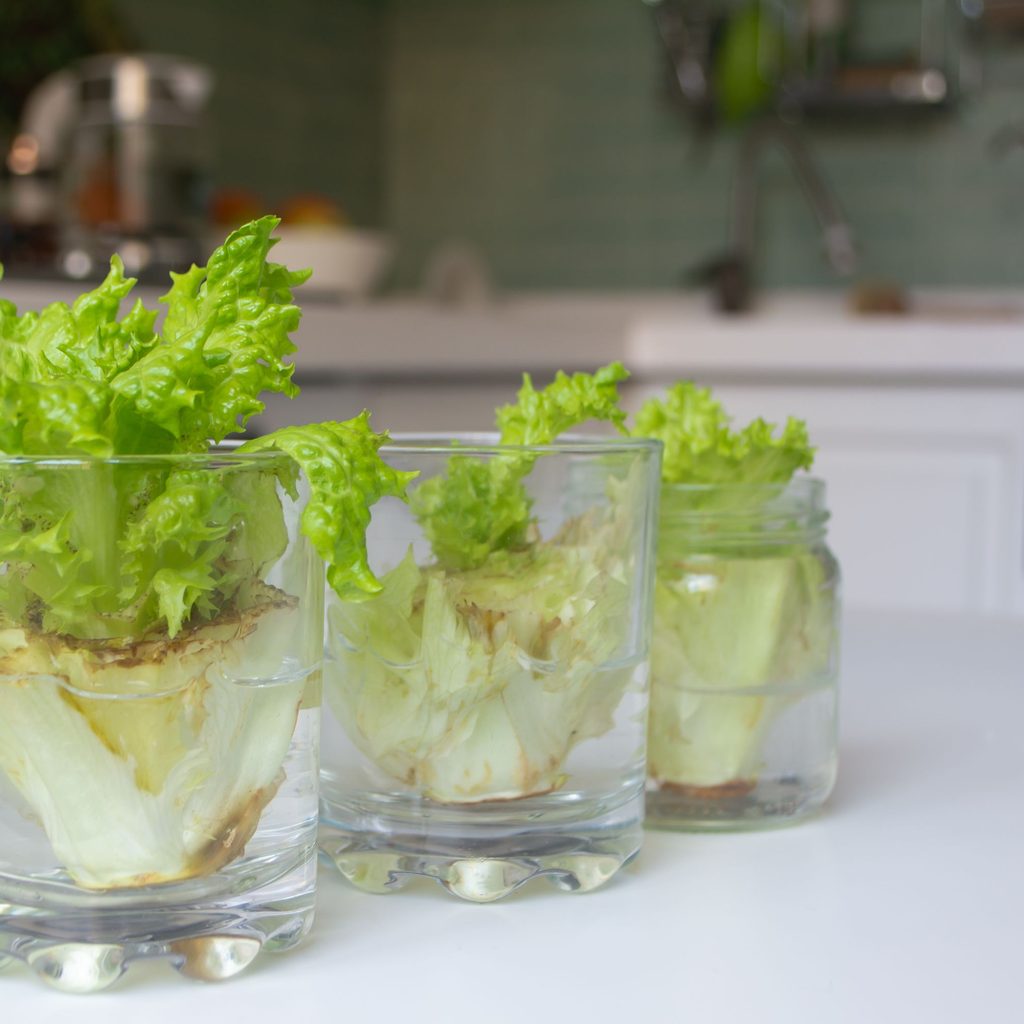
This method requires a glass jar or container of some sort and water. Here are the steps to execute.
Fill your container with water
Fill the container with water. It should reach about halfway up the stem of the plant. Ensure you add enough water to avoid evaporation but not too much as then the branch will mold.
Place the stem in sunlight
Place the container on a sunlit window sill or even under artificial grow lights. When the weather is nice, you can also place the container outside, but keep an eye on the water level to make sure it doesn’t evaporate. For your crops to generate edible leaflets, you’ll need to give them several hours of daylight each day. Keep them out of direct sunlight, which would harm the plants, especially in hotter climates.
Change out the water often
Change the water in your container every few days to promote better regrowth. If you want your set up to be even more environmentally friendly, feel free to reuse water from your boiled vegetables, after it’s been allowed to cool fully to room temperature. Just make sure that the water doesn’t have excessive salt, as the starchy water’s vitamins and minerals can increase your plants’ nutrients.
Monitor growth regularly
In addition to changing out the water, keep an eye on your plants. If successful, leaves should begin to grow within a few days. In the event of no activity after a week or mold growth on the stem, throw it out and start over. You can also add a hydroponic fertilizer to the water to provide an added boost of nutrients.
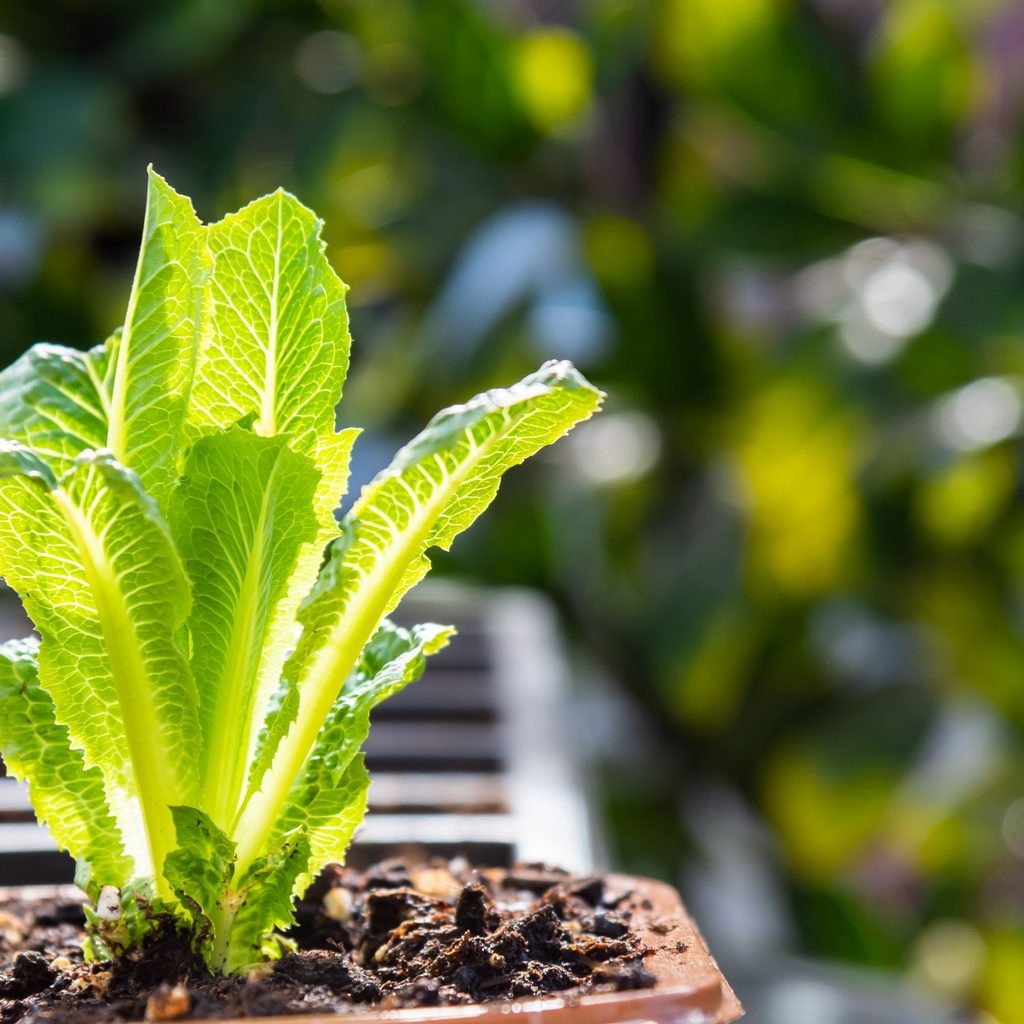
Regrowing lettuce from a stem is an easy project and an educational experiment. Anticipating what to expect with the regrowth and understanding that you won’t reproduce an entire plant is key. Keep your plants’ water clean and in sunlight and check in on it regularly, and you’ll have fresh lettuce for your salad in no time.