If you’re a gardening and landscaping novice, you might be intimidated by the vast variety of plants out there. One resource that’s excellent for new garden designers is High Country Gardens’ plant finder. High Country Gardens is essentially an established plant e-commerce with a highly detailed shopping tool called the plant finder. While the plant finder is technically a feature of the company’s online business, it’s still a helpful database for beginners who want to smoothly navigate all the possible plants for their garden with a directory that’s both detailed and easily digestible. Ahead, we break down everything you need to know about High Country Gardens and go over how you can use its convenient plant finder tool.
What is High Country Gardens?
Before we dig into the plant finder, let’s talk about the backstory of High Country Gardens. Horticulturist David Salman started High Country Gardens in 1993 as a mail-order division of Santa Fe Greenhouses. At Santa Fe Greenhouses, which was developed in 1984, he focused on cultivating and growing water-wise or “xeric” plants. Its offerings included perennials, native plants, ornamental grasses, and succulents. At High Country Gardens, he pioneered mail-order gardening with a focus on sustainable, low-water landscapes. By 2012, the Salman family sold High Country Gardens to American Meadows, and the partnership allowed them to expand the company’s e-commerce site and greenhouse space. If you’re curious about the origins of the business, you can learn more about High Country Gardens on its About Us page.
Using the plant finder
One of the most helpful resources on the High Country Gardens site is its plant finder, which you can find in the third link on its top menu. While many plant sellers have taken to online selling, not many websites offer as detailed a categorization system as High Country Gardens’. With the plant finder, both new and experienced gardeners can browse specific parameters to find the exact right plant.
Browsing by categories
The best feature about the plant finder is that you can browse by specific categories. The four main categories are Regional Plants, Habitat & Wildlife Plants, Low Water Plants, and Suggested Uses.
- Regional Plants: The Regional Plants category breaks down into further location-based subcategories such as plants from the southeast, southwest, west, and more. You can browse based on where the plant comes from. Shopping by region will help you track down a native plant with a better chance of survival in your climate.
- Habitat & Wildlife Plants: The Habitat & Wildlife Plants category further breaks down into subcategories of plants that attract certain specific pollinators, such as bees, birds, butterflies, and more. On the flip side, there’s also a category for deer-resistant plants so you can track down foliage that won’t get eaten by visiting deer!
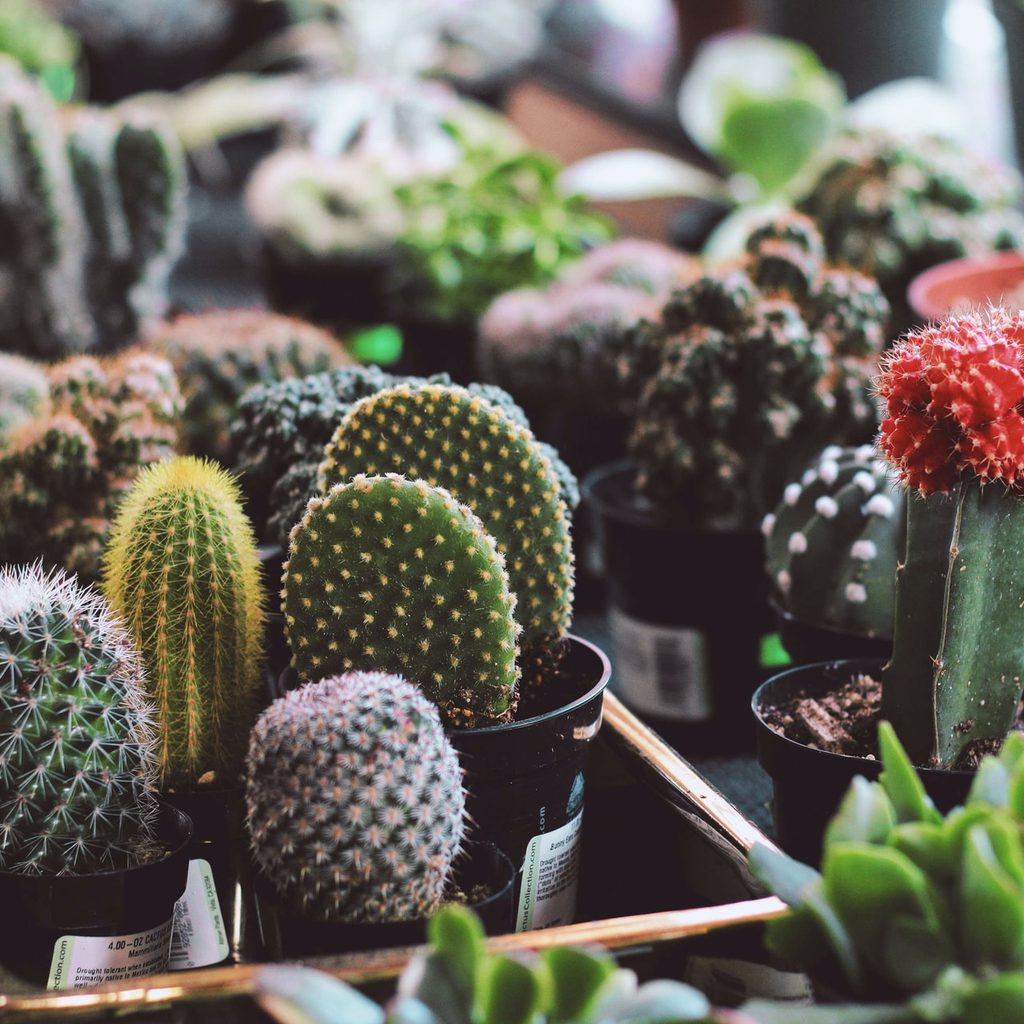
- Low Water Plants: The Low Water Plants category breaks down into subcategories for desert landscaping plants, water-wise plants, rock garden plants, and more. Discover drought-tolerant cacti, succulents, shrubs, and other perennials based on your garden design plan.
- Suggested Uses: The Suggested Uses category will help you find foliage based on where you’re placing your plants. Consider whether you’ll be using them as a groundcover or popping them in a container and whether you’ll be keeping them in the sun or in partial shade.
On an additional note, the plant finder’s sidebar will also give you broader suggestions for plants that are new, top-rated, exclusive, and more.
Discovering other shopping descriptions and filters
When you click into the category that interests you, you’ll find more information in the description at the top of the page. You can also use filters to further narrow your selection down to the plants that match all of your needs and interests. Filter categories include more pragmatic characteristics such as light requirements, planting time, soil type, and soil moisture. You can also cut down your results based on physical characteristics such as flower color and height.
Finding information in each product description
In addition to High Country Gardens’ plant finder and detailed category pages, you’ll find plenty of information in each product description. When you click into a plant, you’ll find a short paragraph about the plant’s appearance and origins. Beneath the description, there are quick facts about the plant’s suitable zones, advantages, light requirements, water tolerance, mature height, mature spread, and bloom time. The information is brief and concise, but there’s also another detailed paragraph at the bottom of the product page as well.
High Country Gardens’ plant finder is an excellent and detailed resource for gardeners trying to figure out what kind of foliage to include in their garden design. Whether you’re looking for pollinator-friendly plants or plants native to your local region, you’ll be able to navigate the plant finder with ease to find the most suitable picks. With some searching and sifting through the site, you’ll be well on your way to creating the garden of your dreams.